
Categories
Window Tinting and Window Films

Installing Window Films A Step-by-Step Home Guide

Installing window films can be a transformative home improvement project that not only enhances privacy and energy efficiency but also elevates the aesthetic appeal of your living space. Whether you’re looking to reduce glare, protect your furniture from harmful UV rays, or simply add a decorative touch, window films offer a versatile solution. In this step-by-step guide, we’ll walk you through the process of installing window films, ensuring you achieve professional results with ease.

Window film types

Before diving into the installation process, it’s essential to understand the different types of window films available and their respective benefits.

Types of Window Films

  1. Solar Control Films: These films are designed to reduce heat and glare from the sun, improving indoor comfort and reducing energy costs.
  2. Privacy Films: Perfect for enhancing privacy in areas like bathrooms or street-facing windows without sacrificing natural light.
  3. Decorative Films: Available in various patterns and designs, these films can add a stylish touch to any room.
  4. Security Films: These thicker films add an extra layer of protection by holding shattered glass together in the event of breakage.

Benefits of Window Films

  • Energy Efficiency: Window films can help reduce your energy bills by keeping your home cooler in the summer and warmer in the winter.
  • UV Protection: They block up to 99% of harmful UV rays, protecting your skin and preventing fading of furnishings.
  • Enhanced Privacy: Privacy films offer a cost-effective way to increase privacy without the need for heavy curtains or blinds.

Tools and Materials Needed

Tools for window film installation

To achieve a seamless installation, gather the following tools and materials:

  • Window film of your choice
  • Spray bottle with soapy water (a few drops of dish soap in water)
  • Utility knife or precision cutter
  • Squeegee or hard plastic card
  • Measuring tape
  • Lint-free cloth or paper towels
  • Straight edge or ruler

Step-by-Step Installation Guide

Step 1: Prepare the Window

Start by thoroughly cleaning the window surface to remove any dust, grease, or grime. Use a lint-free cloth and a suitable glass cleaner to ensure the surface is spotless. Any debris left on the glass can cause bubbles and imperfections in the film.

Step 2: Measure and Cut the Film

Measure the dimensions of your window and cut the window film slightly larger than the window size. This extra material will be trimmed away later, ensuring the film covers the entire glass surface without gaps.

Step 3: Wet the Window

Fill a spray bottle with a solution of soapy water and generously spray the window. This will act as a lubricant, allowing you to adjust the film as needed during installation.

Step 4: Apply the Film

Carefully peel off the protective backing from the film. Start at the top of the window and gently press the film onto the glass. Use your hands to smooth it out and ensure it adheres to the soapy water.

Step 5: Smooth Out Air Bubbles

Using a squeegee or hard plastic card, start from the center of the film and work your way to the edges, pushing out any air bubbles or excess water. Be gentle to avoid tearing the film.

Step 6: Trim the Edges

Once the film is securely in place and free of bubbles, use a utility knife and a straight edge to trim away the excess film around the edges of the window.

Step 7: Final Touches

Wipe down the film with a clean, lint-free cloth to remove any remaining moisture. Allow the film to dry completely, which may take a few days, depending on the weather.

Tips for a Successful Installation

Successful window tinting installation

by Beatriz Monteiro (https://unsplash.com/@biabetty)

  • Work in a Clean Environment: Dust and dirt can cause imperfections in the film, so ensure your workspace is clean and free of debris.
  • Take Your Time: Rushing the process can lead to mistakes. Take your time to ensure each step is completed with care.
  • Check for Compatibility: Make sure the film you choose is compatible with your window type to avoid damage or reduced performance.

Conclusion

Installing window films is a straightforward DIY project that offers numerous benefits, from energy savings to enhanced privacy and aesthetic appeal. By following this step-by-step guide, you can achieve a professional-looking installation that enhances your home’s functionality and style. Whether you’re an interior designer seeking eco-friendly solutions or a homeowner looking to upgrade your space, window films provide a versatile and cost-effective option.

With a little patience and attention to detail, you’ll transform your windows and enjoy the lasting benefits of your new window films. Happy installing!“`
Categories
Window Tinting and Window Films

What Are Sustainable Window Films and Why Toronto Buildings Use Them

Window films are one of the most searched window upgrades in Toronto for people dealing with heat, glare, fading furniture, and high energy bills. Homeowners, condo boards, and business owners across the GTA look into window films because glass lets too much heat move in and out of buildings.

Window films are applied directly to existing windows. They change how glass handles sunlight, heat, and UV rays. That makes window films a practical upgrade for buildings that want better comfort without replacing windows.

Across Toronto and the GTA, window films are used in condos, offices, retail stores, clinics, and older homes. The install is quick. No demolition. No window removal. Just better use of the glass already there.

If you want a clear explanation of what window films are and the different types available, this guide breaks it down in simple terms: Introduction to Window Films: Understanding the Basics.

This article explains how sustainable window films work, why they help Toronto buildings perform better, and why many property owners choose window films instead of full window replacement.

What Sustainable Window Films Mean for Toronto Buildings

Sustainable window films improve how a building uses energy without creating extra waste. Instead of removing windows and sending materials to landfill, window films upgrade the glass that is already installed.

Toronto buildings deal with big temperature changes. Winters are cold. Summers are hot. Glass is often the weakest part of the building envelope. Window films help slow heat loss in winter and reduce heat gain in summer.

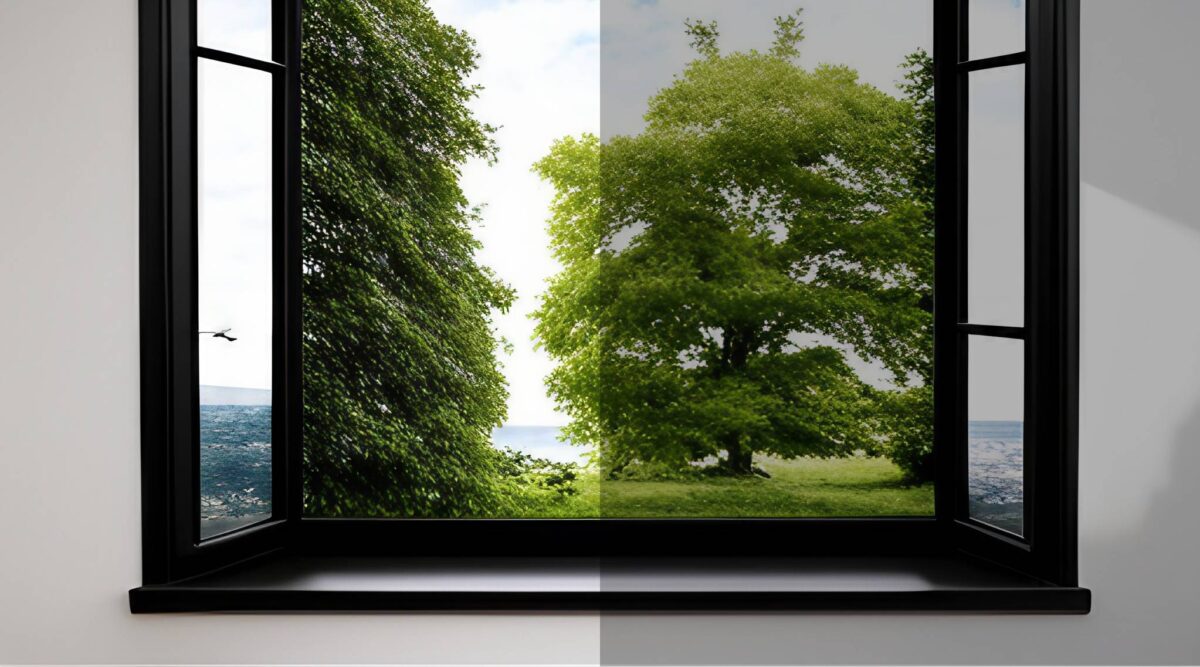
Window films are thin layers installed on glass. Most homes and offices install them on the inside. Some window films reflect heat. Others absorb it. Many modern window films combine heat control, UV blocking, and glare reduction in one layer.

This matters in older areas like East York and Riverdale where original windows are common. It also matters in newer condo towers near CityPlace and Liberty Village where large glass panels create hot spots by early afternoon.

Sustainability also means protecting what’s inside the building. UV light fades flooring, furniture, artwork, and retail displays. Shops along Queen Street West deal with this every year. Window films block up to 99% of UV rays, which slows fading and reduces early replacements.

Glare is another issue that increases energy use. When screens are hard to see, blinds get closed and lights turn on. Window films reduce glare while keeping daylight inside.

If you are deciding between window films and new windows, this comparison explains the difference clearly: Window Films vs Window Replacements.

From an energy and material point of view, window films require far fewer resources than window replacement. That is why many Toronto property owners treat window films as a first upgrade.

Natural Resources Canada also explains how improving windows and building envelopes reduces energy waste: Natural Resources Canada – Energy Efficiency.

How Window Films Help Reduce Energy Use and Improve Comfort

Most people search for window films after comfort problems show up. Rooms feel too hot in summer. Cold drafts appear in winter. Heating and cooling systems run longer than expected.

Window films help by controlling solar heat before it turns into an indoor problem.

In summer, untreated glass lets heat enter fast. South-facing condos in Liberty Village and west-facing offices in Etobicoke feel this the most. Window films reflect and absorb part of that heat so indoor temperatures stay more even.

In winter, heat escapes through glass. Some window films slow that transfer. This helps reduce cold drafts near windows and lowers demand on heating systems.

Lower energy use also means lower emissions. Ontario’s grid is cleaner than many places, but gas heating is still common. Reducing demand helps over time.

Here is a new local example from Vaughan. A small law office near Highway 7 installed solar window films after staff complained about afternoon heat and glare on screens. Before installation, blinds stayed closed most of the day. After the install, blinds stayed open and lighting use dropped.

Another example comes from a gym in Mississauga. Large front windows caused heat buildup in workout areas during summer. After installing window films, indoor temperatures stayed more stable and fans near windows were no longer needed.

ENERGY STAR also supports building upgrades that reduce heat gain and loss: ENERGY STAR – Buildings & Plants.

  • Hot spots near windows
  • Cold drafts in winter
  • HVAC systems running too long
  • People using space heaters or fans

When comfort improves, people stop using short-term fixes. That alone can lower energy use more than expected.

Why Window Films Support Long-Term Sustainability

Sustainability is not only about energy. It also includes safety, durability, and fewer repeat repairs.

Some window films help hold shattered glass together if it breaks. This helps storefronts, clinics, schools, and offices near busy roads like Steeles Avenue or Danforth Avenue.

If protection is part of the goal, this guide explains how security films work: What Are Security Window Films.

Window films also protect interiors from long-term sun exposure. Flooring, seating, signage, and wall finishes last longer when UV is blocked.

A condo building near Scarborough Town Centre installed window films after repeated complaints about fading flooring near balcony doors. Within one year, new fading stopped and residents reported fewer hot spots near windows.

  • HVAC systems may last longer
  • Blinds and shades wear out slower
  • Fewer comfort complaints

Toronto weather shifts fast. April can feel like July. November can feel like January. Window films help smooth those swings without changing heating or cooling systems.

The City of Toronto encourages building upgrades that reduce emissions: City of Toronto – TransformTO.

Why Toronto and GTA Property Owners Choose Window Films

Toronto is dense and full of glass. Condos, offices, storefronts, schools, and homes all face similar window problems.

Downtown areas like the Financial District and King West deal with glare and heat. Suburbs like Brampton, Oakville, and Markham deal with large window areas and open layouts.

Window films install fast. Most residential and small commercial projects finish in one day. No demolition. No long shutdowns.

  • Solar window films for heat and UV control
  • Privacy window films for street-facing glass
  • Security window films for added protection
  • Decorative window films for offices and retail

For buildings that need privacy, this guide explains how window films help: What Are Window Films for Privacy.

Are Window Films a Smart Long-Term Choice?

Yes, when matched to the building.

Window films last for years. They reduce energy use. They protect interiors. They improve comfort. They help buildings perform better without replacing windows.

Window films do not fix bad insulation or poor design. But they help average buildings work better. That is why window films are used across Toronto and the GTA.

Good glass can do more. Window films help it get there.

Categories
Window Tinting and Window Films

Do Window Films Impact Indoor Light for Houseplants

# Do Window Films Impact Indoor Light for Houseplants

When it comes to enhancing your home’s aesthetics and energy efficiency, window films are a popular choice. However, if you’re an indoor plant enthusiast, you might wonder how these films affect your green friends. Let’s dive into the world of window films and explore their impact on indoor light for houseplants.

Window films on house windows

Window films are thin layers of polyester or similar materials applied to glass surfaces. They serve various purposes, including UV protection, glare reduction, and improving energy efficiency. By filtering sunlight, they help maintain a comfortable indoor temperature and protect furnishings from fading.

Types of Window Films

There are several types of window films, each designed to meet specific needs:

  1. Solar Control Films: These films reduce heat and glare, making your home more comfortable.
  2. Decorative Films: They add privacy and style without blocking light entirely.
  3. Security Films: Designed to strengthen glass, these films enhance safety.
  4. UV Protection Films: These films block harmful ultraviolet rays, safeguarding your interiors.

How Do Window Films Impact Indoor Light?

Window films can alter the amount and quality of light that enters a room. While they can be beneficial in many ways, it’s essential to understand their effects on your houseplants.

Light Intensity and Spectrum

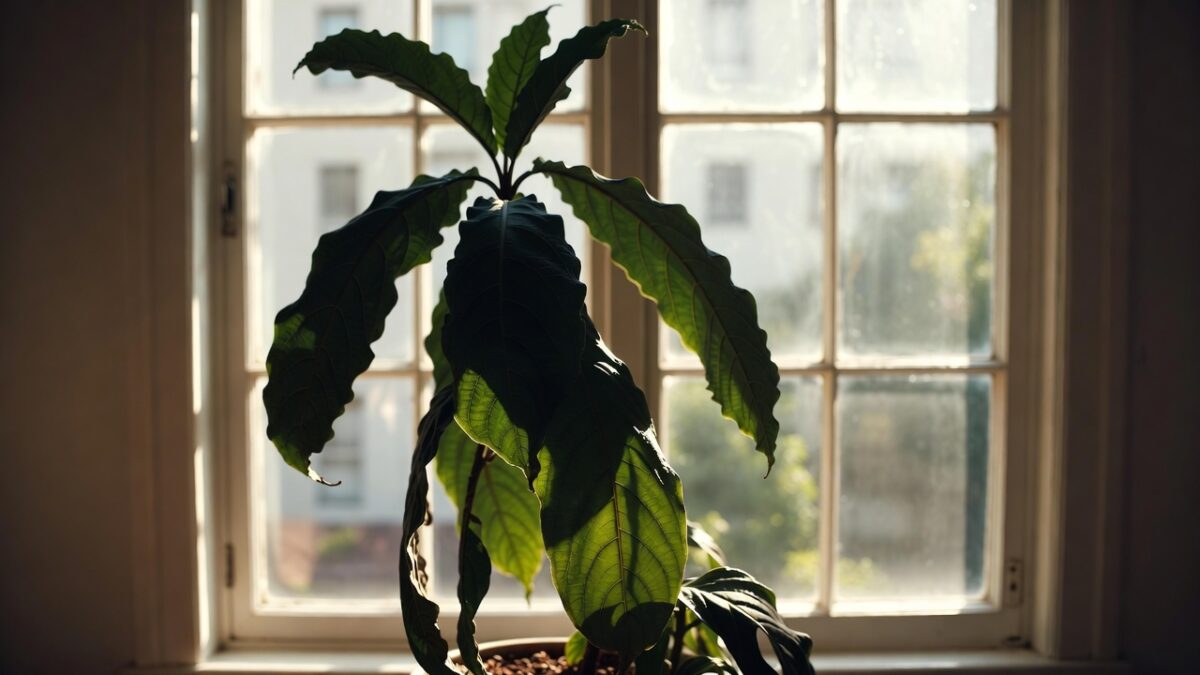
Houseplants need light for photosynthesis, the process by which they produce food. Window films can reduce light intensity, which might affect plants that require bright light. However, most films are designed to block UV rays while allowing visible light through, which is essential for plant growth.

Sunlight streaming through window onto indoor plants

Temperature Regulation

By reducing heat gain, window films help maintain a consistent temperature indoors. This can prevent overheating, which can stress plants and lead to dehydration. However, in winter, reduced heat might mean your plants need extra warmth.

UV Protection for Plants

While UV rays can be harmful to humans and furnishings, they also play a role in plant health. Some plants may benefit from a small amount of UV exposure, but too much can be damaging. Window films that block excessive UV light can therefore protect delicate plants.

Choosing the Right Window Film for Plant Health

When selecting window films, consider your plants’ specific light needs. Here are some tips to ensure your plants thrive:

Assess Your Plants’ Needs

Different plants require varying light levels. For instance, succulents and cacti thrive in bright, direct light, while ferns and snake plants prefer indirect light. Understand your plants’ requirements before choosing a film.

Opt for Adjustable Solutions

Consider films that offer adjustable light control. Some films allow you to tweak the amount of light filtering through, providing flexibility for different seasons and plant types.

Experiment with Placement

Not all windows need films. You might choose to leave certain windows uncovered or use films selectively to balance plant needs and energy efficiency.

Benefits of Window Films Beyond Plant Care

While your primary concern might be your plants, window films offer additional benefits:

Energy Efficiency

By reducing the need for heating and cooling, window films can lower energy bills. This eco-friendly solution helps create a more sustainable living environment.

Enhanced Privacy and Security

Decorative films offer privacy without sacrificing light, and security films protect against break-ins and accidents, adding an extra layer of safety.

Preservation of Interiors

UV protection films prevent fading of furniture, flooring, and artwork, extending the life of your interior decor.

Practical Tips for Balancing Window Films and Plant Care

Here are some practical tips to ensure your plants remain healthy alongside your window films:

Monitor Plant Health

Regularly check your plants for signs of stress, such as wilting or yellowing leaves. Adjust their position or the film type if necessary.

Supplement with Grow Lights

In areas where natural light is insufficient, consider using grow lights. These lights mimic sunlight and can help support plant growth in low-light conditions.

Grow lights over indoor plants

by brbrihan__ (https://unsplash.com/@rihand)

Seasonal Adjustments

During winter, the angle of the sun changes, affecting light availability. You might need to adjust window coverings or supplement with artificial light during darker months.

Conclusion

Window films are a valuable addition to any home, offering energy savings, UV protection, and enhanced privacy. For indoor plant lovers, understanding the impact on light is crucial. By choosing the right films and monitoring plant health, you can create an environment where both your plants and your home can thrive.

With the right balance, window films can enhance your living space without compromising your plant care routine. Whether you’re an interior designer or a homeowner, these solutions provide stylish, eco-friendly options that cater to both aesthetic and practical needs.