Categories
Window Tinting and Window Films

Emergency Window Films After a Break-In: How to Secure Broken Glass in 5 Steps

How window films help protect broken windows after break-ins in Toronto and the GTA

Window films are one of the most searched fixes after a break-in. In Toronto and the GTA, broken windows happen often in retail shops, offices, clinics, and condo buildings. Glass gets smashed overnight. The window cracks but stays in the frame. Cold air moves in. People feel uneasy. Replacing glass takes time.

This is why window films are used right after a break-in.

Emergency window films help hold broken glass together when full replacement is delayed. They slow forced entry. They reduce loose shards on the floor. They also help keep the space open while waiting for new glass. Many local businesses across Toronto, North York, Scarborough, Etobicoke, Vaughan, and Mississauga rely on this option during winter and high-theft months.

This article explains how emergency security window films are installed step by step. It is written for business owners, property managers, and anyone searching for help after waking up to broken glass.

Step 1: Secure the space and protect people first

The first action is safety. Not film.

After a break-in, glass is sharp and unstable. Tiny shards hide inside the sill and along the frame. In winter, cold air makes cracks spread faster. In busy spots like Yonge Street, Bloor Street, or plaza walkways, people walk close to the damage without noticing.

A small bakery near Lawrence Avenue reopened too fast after a break-in last December. A staff member brushed the frame while cleaning and cut their hand. The shop had to close again that afternoon.

Before installing any window films, do this:

  • Keep staff and customers away from the window
  • Remove loose glass without pushing cracked pieces out
  • Block foot traffic near the opening
  • Stop cold air if weather is harsh

Emergency window films work best when the glass is still sitting inside the frame. If the full pane is missing, film is not the next step yet.

Local police data shows smash-and-grab cases often repeat in the same area if the window looks exposed.

Source: Toronto Police Service crime statistics

Step 2: Decide if emergency security window films are the right fix

This question comes up right away.

“Do I replace the glass or use film?”

Glass replacement in the GTA is not fast. Storefront panels are often custom sizes. Some take days to arrive. During that wait, the space stays weak.

Security window films are used when:

  • The glass is cracked but still in the frame
  • Same-day protection is needed
  • Repeat break-ins are a concern
  • Replacement glass is delayed

Security window film bonds broken glass together. If someone hits the window again, the glass stays attached to the film. Entry takes longer. Noise goes up. Many smash attempts stop early.

Some owners compare emergency film with full replacement before making a final call.

Benefits of choosing window films over replacements

Step 3: Prepare damaged glass before installing window films

This step controls how well the film performs.

Emergency installs are not clean installs. Cracks spread. Frames shift. Cold air slows bonding. Prep still matters a lot.

A phone repair shop near Jane Street had security film lift early because moisture stayed on the glass during install. The film helped for a few days, but then peeled near the edge.

Good prep includes:

  • Cleaning the glass without pushing cracks further
  • Removing loose shards with care
  • Checking if the frame is stable
  • Using solution that does not react with broken glass

Older buildings in Parkdale, The Annex, and parts of East York often have original frames. These frames move more and need careful handling.

Most early failures come from rushed prep.

Step 4: Install the security window film the right way

Emergency security window films are not decorative tint.

The film is thicker than standard window films and built to resist impact. It is installed over damaged glass to trap it in place.

Professional installers follow tested methods used in security film work.

How to install security window film perfectly

Important parts of the install include:

  • Film thickness matched to risk level
  • Strong edge sealing
  • Proper frame attachment

DIY kits often skip edge anchoring. That causes failure when force is applied. Emergency installs should be handled by trained window film installers.

Industry safety guidance from the Insurance Institute for Business & Home Safety supports layered protection for glass openings.

Source: Insurance Institute for Business & Home Safety

Step 5: Plan next steps once the emergency is under control

Emergency window films buy time. They are not always the final fix.

Many Toronto businesses choose to upgrade after the first incident.

Common next steps include:

  • Permanent security window films
  • Thicker multi-layer film systems
  • Glass replacement with film added later
  • Basic storefront security planning

A small medical office in Markham added permanent security film after two break-ins within one year. No problems since. Patients never noticed the film.

Security film also keeps broken glass together during clean-up. That lowers injury risk and saves staff time.

Why window films are widely used across Toronto after break-ins

Toronto has many glass-heavy buildings. Retail fronts. Offices. Condos. Clinics.

Window films are used because they:

  • Slow forced entry
  • Hold broken glass together
  • Reduce repeat targeting
  • Keep spaces usable

Many property managers now avoid plywood unless the glass is fully gone. Plywood blocks light and draws attention.

Security window films compared to plywood after a break-in

Plywood blocks visibility and looks damaged. It can be removed fast. It does not hold glass.

Security window films allow light, keep visibility, and keep the glass in place.

On busy streets like Yonge, Dundas, and Bloor, that difference affects safety and foot traffic.

Final thoughts

Emergency window films are practical tools used every week across Toronto and the GTA.

If your window broke last night, fast action helps reduce risk. If nothing has happened yet, planning early costs less.

Window films do not stop every crime. They slow entry, reduce damage, and buy time. That is why many local businesses depend on them.

Categories
Window Tinting and Window Films

Trends in Is Household Window Tint

In recent years, the window tinting industry has experienced a surge in technological innovation and design creativity. This evolution has led to a wide variety of products that cater to different needs, tastes, and budgets. From energy-efficient films that contribute to a greener planet to decorative options that allow for artistic expression, the possibilities are endless. This expansion in choices has encouraged more homeowners to consider window tinting as a viable and attractive option for their homes. As we delve deeper into the trends and benefits of window tinting, it’s clear that this once-overlooked home improvement technique is now at the forefront of modern living.

Modern home with tinted windows

House window tinting involves applying a thin film to the interior or exterior of glass windows. These films come in a variety of shades and finishes, each designed to serve different purposes. From reducing glare to improving energy efficiency, window tinting offers a range of benefits that make it an attractive option for modern homes. The application process is relatively straightforward, yet it requires a professional touch to ensure a flawless finish and optimal performance.

The materials used in window tinting films have evolved significantly, incorporating advanced technologies that enhance their functionality. For instance, some films are designed with nanotechnology to improve heat rejection and UV protection. Others might incorporate layers of different materials to achieve the perfect balance between opacity and clarity. This technological sophistication means that homeowners can now select films that precisely meet their needs, whether that involves controlling light levels, enhancing privacy, or simply adding a decorative touch to their windows.

The Rise of Home Window Tint

The surge in popularity of home window tint can be attributed to several factors. Firstly, there is a growing awareness of the importance of energy efficiency. Homeowners are increasingly seeking ways to reduce their carbon footprint and cut down on energy bills. Window tinting helps to achieve these goals by minimizing heat transfer and reducing the need for air conditioning during hot months. This makes it an attractive option for those living in regions with extreme temperatures, where cooling and heating costs can be exorbitant.

Another driving factor is the desire for privacy without sacrificing natural light. Tinted windows allow homeowners to enjoy the beauty of natural light while keeping prying eyes at bay. This balance between openness and seclusion makes window tinting an appealing choice for many. Additionally, the aesthetic appeal of window tinting cannot be overstated. With a range of styles and colors available, homeowners can select tints that complement their home’s exterior and interior design, further integrating this functional feature into the overall look of their property.

Key Trends in Household Window Tinting

Close-up of decorative window film

Decorative Window Films

One of the most exciting trends in window tinting is the use of decorative films. These films come in a wide array of patterns and designs, allowing homeowners to express their personal style while enhancing the visual appeal of their interiors. From frosted glass effects to intricate patterns, decorative films offer a creative way to transform plain windows into eye-catching focal points. This trend reflects a broader movement towards personalization in home design, where homeowners seek to imprint their unique taste and personality onto their living spaces.

Decorative window films are particularly popular among interior designers who seek to incorporate unique design elements into their projects. They provide a cost-effective solution for adding a touch of elegance and sophistication to any room. Beyond aesthetics, these films can also serve practical purposes, such as enhancing privacy or diffusing harsh sunlight. By choosing decorative films, homeowners can enjoy the dual benefits of artistic expression and improved functionality, making them a smart investment for any design-conscious individual.

Smart Window Tints

In today’s tech-savvy world, smart window tints are gaining traction. These innovative films can change their opacity with the touch of a button or through a smartphone app, providing customizable levels of privacy and light control. Smart tints are an excellent choice for those who want the flexibility to adjust their windows according to different activities or times of the day. This adaptability aligns with the growing trend towards smart home technologies, which prioritize convenience and control for homeowners.

Smart window tints are not only functional but also add a modern and high-tech feel to homes. They are perfect for homeowners who want the latest in home automation and convenience. The integration of smart tints can also contribute to a home’s energy efficiency by allowing precise control over the amount of heat and light entering a space. As more individuals embrace smart home ecosystems, the demand for intelligent window solutions like smart tints is expected to rise, making them a cornerstone of future home design.

Energy-Efficient Films

As mentioned earlier, energy efficiency is a primary concern for many homeowners. Energy-efficient window films are designed to reflect heat and reduce solar gain, helping to maintain a comfortable indoor temperature. These films can significantly lower energy consumption and, consequently, utility bills. They are particularly beneficial in climates with extreme seasonal temperatures, where managing indoor climate is both a comfort and financial priority.

Energy-efficient films are available in various shades, from virtually clear to darker tints, allowing homeowners to choose the level of heat rejection that best suits their needs. This trend aligns perfectly with the growing demand for sustainable and eco-friendly home solutions. Moreover, as environmental awareness increases, more homeowners are making conscious choices that contribute to a sustainable future. By investing in energy-efficient films, they not only enhance their living conditions but also play a part in reducing environmental impact, making it a win-win situation.

The Benefits of Home Window Tint
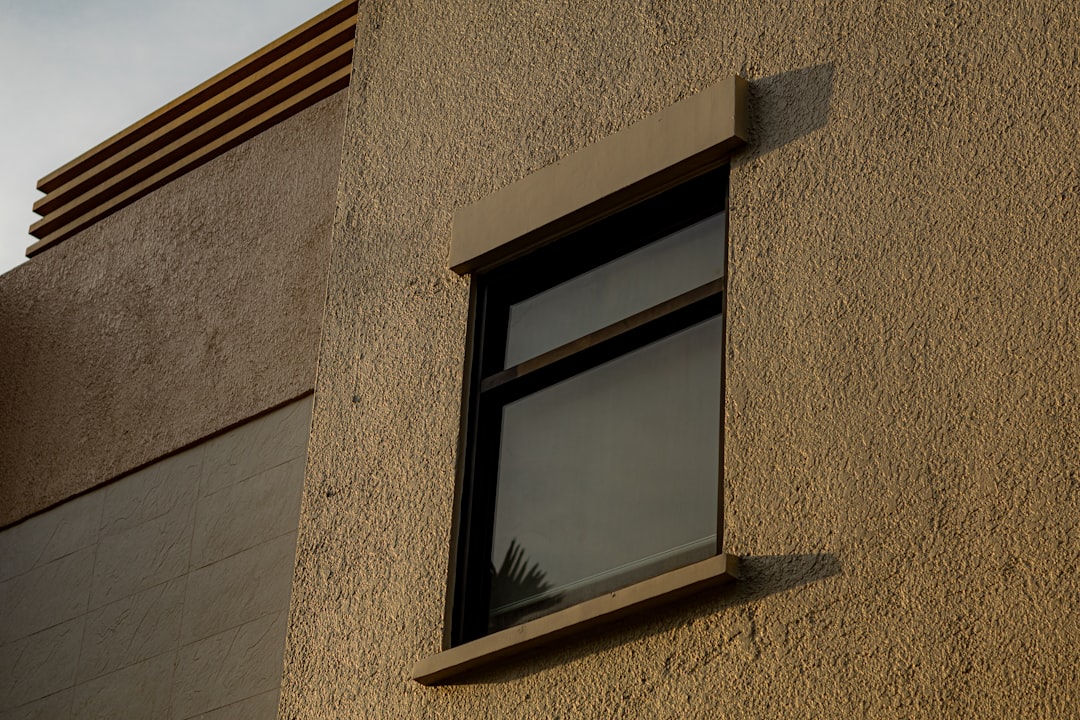
Energy-efficient window film on house

by Bridget Adolfo (https://unsplash.com/@bridgetadolfo)

House window tinting offers several advantages that make it a worthwhile investment for any homeowner. Here are some key benefits:

Enhanced Comfort and Energy Savings

Window tinting helps regulate indoor temperatures by reducing heat gain during the summer and retaining warmth during the winter. This results in a more comfortable living environment and reduces the reliance on heating and cooling systems, leading to significant energy savings. Over time, these savings can accumulate, offsetting the initial investment cost of window tinting and providing ongoing financial benefits.

Moreover, by enhancing the comfort of their homes, homeowners can create a more pleasant and inviting atmosphere for themselves and their guests. Whether it’s enjoying a cozy winter evening indoors or keeping cool during a scorching summer day, window tinting plays a vital role in enhancing the overall living experience. For those who prioritize comfort and efficiency, window tinting is an indispensable addition to their home improvement arsenal.

UV Protection

Harmful UV rays can cause furniture, flooring, and artwork to fade over time. Window films block up to 99% of UV rays, preserving the quality and appearance of your interiors. This protection is especially valuable for homeowners with expensive or sentimental furnishings. By shielding their interiors from UV damage, homeowners can extend the lifespan of their belongings and maintain the aesthetic appeal of their homes.

Additionally, UV protection contributes to the health and well-being of the household. Prolonged exposure to UV rays can have detrimental effects on the skin and eyes. By installing window films that block these harmful rays, homeowners can create a safer indoor environment for their families. This added layer of protection underscores the multifaceted benefits of window tinting, making it a practical and health-conscious choice.

Increased Privacy and Security

Tinted windows provide an added layer of privacy, preventing outsiders from easily seeing into your home. This is particularly important for ground-floor windows or homes situated in busy neighborhoods. By choosing the appropriate level of tint, homeowners can enjoy peace of mind knowing that their personal space is protected from prying eyes.

In terms of security, some window films are designed to hold glass together in the event of breakage. This can deter intruders and reduce the risk of injury from shattered glass. By reinforcing the structural integrity of windows, these films contribute to a safer living environment. The combination of privacy and security benefits makes window tinting an essential consideration for those looking to enhance their home’s safety measures.

Aesthetic Appeal

Window films offer a sleek and modern look that can enhance the overall appearance of your home. Whether you prefer a subtle tint or a bold decorative film, there are options to suit every style and preference. This versatility allows homeowners to tailor their window tinting choices to match their design aspirations, creating a cohesive and harmonious visual effect.

The aesthetic benefits of window tinting extend beyond the interior of the home. From the outside, tinted windows can contribute to the architectural appeal of a property, enhancing curb appeal and potentially increasing property value. For those who take pride in their home’s appearance, window tinting offers an opportunity to elevate the visual impact of their property, making it a valuable addition to any design project.

Choosing the Right Window Tint

When selecting a window tint, consider the specific needs of your home and your personal preferences. Here are some factors to keep in mind:

  • Purpose: Determine the primary reason for tinting your windows. Is it for energy efficiency, privacy, or decorative purposes? Understanding your main objective will guide you in choosing the most suitable type of film.
  • Film Type: Choose from different types of films, such as solar control, security, decorative, or smart films, based on your goals. Each type offers unique benefits, so it’s essential to evaluate your priorities and make an informed decision.
  • Professional Installation: For the best results, it’s advisable to hire a professional installer. They have the expertise to ensure a seamless application and can provide guidance on selecting the right film for your needs. A professional installation not only guarantees a flawless finish but also maximizes the performance and longevity of the window films.

Conclusion

Household window tinting is an innovative solution that offers both functional and aesthetic benefits. As trends in window tinting continue to evolve, homeowners and interior designers have more options than ever to enhance their living spaces. Whether you’re looking to improve energy efficiency, add a touch of style, or increase privacy, window tinting is a versatile and cost-effective choice. With ongoing advancements in technology and design, the potential applications of window tinting are expanding, promising even greater possibilities for homeowners.

By staying informed about the latest trends and understanding the advantages of different window films, you can make an informed decision that aligns with your needs and preferences. Embrace the possibilities of window tinting and transform your home into a more comfortable, stylish, and efficient space. As the world of home improvement continues to innovate, window tinting stands out as a key player in creating modern, sustainable, and aesthetically pleasing living environments.

Categories
Window Tinting and Window Films

Window Films vs Window Replacement in Toronto: Costs, Protection, and Real Results

Why window films show up first when people search after glass breaks

Window films are one of the most common search terms in Toronto after glass breaks, cracks, or shatters. Before people look for full replacement, they look for window films.

This happens across the GTA every year. Winter cold weakens glass. Summer heat builds pressure. A single impact is enough. Storefronts near Queen Street West. Condos in North York. Offices close to Yonge and Finch.

The question comes up fast.

Do I replace the window or add window films to protect what is already there?

This page explains that choice using real installs across Toronto, Scarborough, Etobicoke, Vaughan, Markham, and Mississauga. No sales talk. Just what reduces damage and downtime.

Many property owners call after replacement is done. Most say they wish they had read about window films over replacements before spending the money.

For context on how glass damage often starts, the Toronto Police Service crime prevention resources explain common break-in patterns.

What window films actually do to broken glass

Window films often get mixed up with tint. That creates confusion.

Security window films focus on strength, not shade. They change how glass behaves when hit.

Security window films bond to the inside of glass. When impact happens, the glass cracks but stays together. It does not fall inward right away.

In Toronto, speed matters. Many break-ins last only seconds. Window films slow that moment.

  • Glass stays in the frame
  • Noise goes up
  • Entry takes longer
  • Damage stays contained

This same idea is explained in how safety films enhance window security. Delay changes the result.

Local example: Leslieville café

A café in Leslieville replaced its front window twice in one winter due to vandalism. Both times the glass was replaced without film.

After the second repair, security window films were added. Another attempt happened later. The glass cracked but stayed in place. The café opened the next morning.

Comparing window films and window replacement on cost

Window films cost less because they use the glass already there. No frame removal. No permits. No waiting weeks for new panes.

Window replacement in Toronto adds labour, disposal fees, and weather delays. Cold months slow installs. Businesses lose hours.

  • Window films usually install in one visit
  • Replacement can take weeks
  • Window films have lower upfront cost
  • Replacement costs stack fast

Data from the Insurance Bureau of Canada shows glass damage is one of the most repeated property claims.

Costs people forget about

Window films reduce repeat repairs. Less boarding. Fewer emergency calls. Less downtime.

This longer view is explained in ROI in window film installations. Fewer repairs change the math.

When window replacement is still the right move

Replacement helps when frames rot or seals fail. Older homes in East York and parts of Etobicoke see this often.

Replacement also helps when insulation loss is the main issue.

But replacement alone does not improve security unless reinforced glass is used. Standard replacement glass still breaks fast.

Local example: Vaughan office unit

An office unit in Vaughan replaced two large windows after break-ins. No window films were added.

Within months, another pane broke. Security window films were added after the third repair. No more damage that year.

How most Toronto property owners decide

  • Speed: Window films install fast
  • Cost: Window films cost less upfront
  • Security: Window films hold broken glass
  • Appearance: Clear window films stay invisible

Most owners add window films first, then plan replacement later if needed.

This same thinking appears in window films vs window replacements.

Why window films work well in Toronto and the GTA

Toronto buildings deal with foot traffic, winter cold, summer heat, and street exposure.

Cold makes glass brittle. Heat adds stress. Window films limit how cracks spread.

Research from the National Research Council of Canada explains how glass reacts to impact and temperature changes.

Installation quality makes the difference

Window films fail when installed wrong. Edge gaps matter. Glass type matters. Film thickness matters.

Toronto buildings vary. Condo towers. Brick storefronts. Old wood frames. One method does not fit all.

Following a clear process like security film installation helps prevent peeling and early failure.

Window films as part of layered protection

Window films work best with lighting, door hardware, and basic cameras. Film buys time. Time changes outcomes.

This layered setup lines up with many Toronto crime prevention programs.

Final thoughts from GTA installs

Window films install faster. They cost less upfront. They reduce repeat glass damage.

Window replacement still has a place. Just not always first.

Broken glass in January is worse than in July. Window films help limit the mess. We’ve cleaned both.

Frequently Asked Questions

Are window films cheaper than window replacement in Toronto?

Window films usually cost less because they install on existing glass and avoid frame removal.

Do window films help stop break-ins?

Window films slow forced entry by holding broken glass together.

Can window films be installed on doors and storefronts?

Window films install on doors, storefronts, and sidelites if the glass is intact.

Will window films change how windows look?

Clear window films keep the glass looking the same.

Do window films replace security glass?

Window films strengthen glass but do not replace laminated security glass.

Categories
Window Tinting and Window Films

How Many Years Do Window Films Typically Last

When considering window films for your home, longevity is often a key concern. Just how long can you expect these films to last, and what factors influence their lifespan? In this article, we’ll delve into the typical lifespan of window films, the benefits of these innovative products, and what you can do to maximize their durability.

Close-up of window film installation

Window films are a popular choice for homeowners looking to enhance their living spaces. But how long do they last? On average, window films have a lifespan of about 10 to 20 years. However, this can vary based on several factors.

Factors Affecting Window Film Lifespan

  1. Quality of the Film: High-quality window films are designed to last longer. Investing in a reputable brand can ensure that you get the most out of your window films.
  2. Installation Process: Proper installation is crucial. Films that are applied by professionals tend to last longer because they ensure a perfect fit and adhesion.
  3. Exposure to Sunlight: Constant exposure to direct sunlight can degrade window films over time. However, modern films are designed to withstand UV rays better than ever before.
  4. Maintenance and Care: Regular cleaning and care can extend the life of your window films. Avoid using harsh chemicals or abrasive materials that can scratch or damage the film.
  5. Type of Film: Different types of films have different lifespans. For instance, decorative films might not last as long as solar control films, which are specifically designed to handle sunlight.

Benefits of Window Films

Modern living room with tinted windows

Window films are more than just a decorative addition to your home. They offer several practical benefits:

Energy Efficiency

One of the most significant advantages of window films is their ability to improve energy efficiency. By blocking out a portion of the sun’s rays, window films can reduce heat gain during the summer months, helping to keep your home cooler and lowering your energy bills.

UV Protection

Window films also offer protection from harmful UV rays. This not only protects your skin but also prevents your furniture and flooring from fading, preserving the aesthetic appeal of your home.

Glare Reduction

If you’ve ever struggled with glare on your television or computer screen, window films can help. They reduce glare, making it easier to enjoy your electronic devices without straining your eyes.

Enhanced Privacy and Security

Tinted window films provide an extra layer of privacy without blocking out natural light. Additionally, some films are designed to hold glass together in the event of an impact, offering added security.

Choosing the Right Window Film

When selecting window films, consider your specific needs and preferences. Here are some types of films you might consider:

Solar Control Films

These are perfect for those looking to improve energy efficiency and reduce glare. Solar control films are designed to block out significant amounts of UV rays and heat.

Decorative Films

If aesthetics are your primary concern, decorative films offer a stylish solution. They come in various patterns and colors, allowing you to customize the look of your windows.

Safety and Security Films

For added protection, safety and security films are thicker and designed to hold glass together during impacts, making them ideal for homes in storm-prone areas or for those who prioritize security.

Tips for Maintaining Your Window Films

Cleaning window film with a soft cloth

by Tushar Mahajan (https://unsplash.com/@route2tushar)

To ensure your window films last as long as possible, follow these maintenance tips:

  1. Gentle Cleaning: Use a soft cloth or sponge with mild soapy water to clean your window films. Avoid abrasive materials that can scratch the surface.
  2. Avoid Harsh Chemicals: Steer clear of ammonia-based cleaners, as they can degrade the film over time.
  3. Regular Inspections: Periodically check your window films for signs of wear or damage. Early detection can prevent further deterioration.
  4. Professional Inspection: Consider having a professional inspect your window films every few years to ensure they remain in optimal condition.

When to Consider Window Film Replacement

Even with the best care, window films will eventually need replacement. Here are some signs that it might be time to replace your films:

  • Peeling or Bubbling: These are clear indicators that the adhesive has failed and the film is no longer properly attached.
  • Discoloration: Over time, some films may fade or change color, affecting their appearance and performance.
  • Loss of Adhesion: If the film starts to detach from the glass, it won’t provide the intended benefits effectively.
  • Visible Scratches or Damage: Physical damage to the film can compromise its effectiveness and appearance.

Conclusion

Window films are a versatile and beneficial addition to any home, offering everything from energy efficiency to enhanced privacy. By understanding the factors that affect their lifespan and how to maintain them, you can ensure that your investment lasts for many years. Whether you’re an interior designer looking to provide clients with stylish, eco-friendly solutions or a homeowner seeking to enhance your living space, window films are an excellent choice. With proper care and attention, they’ll continue to serve you well, enhancing both the functionality and aesthetics of your home.

Categories
Window Tinting and Window Films

Glass Door Protection Window Films for Retail and Offices Explained

Window films are one of the most searched solutions for glass doors in retail stores and offices across Toronto and the GTA. Business owners look for window films when doors crack too often, break-ins feel easy, or glass repairs keep hurting cash flow. Glass door protection window films are a safety-focused type of window film designed to hold broken glass together and slow entry when glass fails.

Toronto buildings face real stress. Winter cold tightens frames. Summer heat pushes glass outward. Foot traffic never slows down. From busy Queen Street shops to office buildings in Vaughan, broken glass doors are common. Many owners only learn about window films after a door breaks and forces a shutdown.

This article explains how glass door protection window films work, where they help most, and why many GTA businesses use them instead of replacing glass again and again.

What Glass Door Protection Window Films Are

Glass door protection window films are clear safety films applied directly to existing glass doors. The glass stays in place. The film bonds to the surface and keeps broken pieces together after impact.

These window films are not basic tint. Tint changes light or glare. Protection window films focus on safety and strength. They are part of the same group as security window films, but are often installed on doors instead of large windows.

Retail doors across the GTA take daily hits. Winter boots strike glass. Wind pressure shifts fast when doors open. Nearby construction causes small frame movement. Over time, even strong glass weakens.

Protection window films help reduce:

  • Forced entry through glass doors
  • Accidental impacts from people or carts
  • Glass shatter injuries
  • Emergency board-up calls

These window films are used in storefronts, offices, clinics, schools, and condo retail units. They are popular in leased spaces because the door and frame stay the same.

Most protection window films are clear. Customers rarely notice them. Staff forget they are there until glass cracks.

How Window Films Change Glass Breakage

Plain glass fails fast. One hit and it breaks apart.

When protection window films are installed, the glass still cracks but stays together. The film spreads force across the surface and holds sharp pieces in place.

We tested this on two office doors in North York. Same building. Same glass. One door had film. One did not. The untreated door collapsed. The filmed door stayed upright.

With protection window films:

  • Glass cracks into a web shape
  • Broken pieces stick to the film
  • The door stays standing longer
  • Entry takes more effort

Time matters. Most smash-and-grab attempts in Toronto last seconds. Even small delays can stop entry.

Install quality matters. Edges and surface prep affect performance. Poor installs fail at the edges first. This is why guides like security film installation are useful.

For general glass safety rules, the Canadian Centre for Occupational Health and Safety explains how safety glazing lowers injury risk.

Where Glass Door Window Films Matter Most in the GTA

Risk changes by location. Traffic, weather, and building type all matter.

Retail Storefronts

Stores on Yonge Street, Bloor, and the Danforth see steady foot traffic all day. Accidents, vandalism, and break-ins happen more often than expected. Many stores add window films after the first broken door. Repeat damage often stops.

Medical Offices and Clinics

Clinics in Scarborough and Markham rely on glass doors for light and access. One broken door can cancel a full day of bookings. Protection window films help avoid sudden closures.

Condo Commercial Units

Ground-floor units near Liberty Village and CityPlace see bikes, carts, and deliveries daily. Glass doors get hit by accident more than people think. Window films help limit repeat damage.

Schools and Public Buildings

Public buildings use glass for visibility. Protection window films help reduce injury risk when glass breaks.

Ontario workplace safety guidance is published by the Ministry of Labour.

Window Films vs Replacing Glass Doors

This question comes up often.

Replacing glass:

  • Costs more
  • Takes longer
  • May need permits
  • Does not stop future breaks

Adding protection window films:

  • Installs fast
  • Uses existing glass
  • Reduces injury risk
  • Keeps doors usable

A small café near Union Station replaced the same glass door twice in one year. After adding window films, the door cracked during winter but stayed intact. The café stayed open.

A full breakdown is explained here: window films vs window replacement.

New Local Example: Cold Weather Door Failure in Richmond Hill

Last winter, a retail unit in Richmond Hill had a glass door crack overnight during a cold snap. No impact happened. The frame tightened and stressed the glass.

The owner installed protection window films instead of replacing the glass again. Weeks later, a delivery cart hit the door. The glass cracked but stayed together. Business stayed open.

This happens often in GTA winters. Window films help reduce downtime when glass fails.

What to Look for When Hiring a Window Films Installer

Not all window tinting services handle protection window films well. These films are thicker and need proper prep.

Ask installers:

  • Do you install on doors, not only windows?
  • Do you handle commercial spaces?
  • Do you prep edges and frames?

Reading key considerations when installing window films helps avoid poor installs.

Material testing standards for safety films are published by ASTM International.

Quick Answers About Glass Door Protection Window Films

What are glass door protection window films?

They are clear window films that hold broken glass together after impact.

Do window films stop break-ins?

Window films slow forced entry by keeping glass intact longer.

Can window films be installed on existing doors?

Yes. Window films install on existing glass without replacing the door.

Do protection window films change how doors look?

Most protection window films are clear and hard to see.

How long do window films last?

Protection window films often last 10 to 15 years with proper installation.

If you run a business in Toronto or the GTA and deal with broken glass doors, window films are worth serious thought. They do not stop glass from cracking, but they change what happens after. That difference keeps doors standing and businesses open.

Categories
Window Tinting and Window Films

Window Tinting Near You Choosing the Right Local Expert

Finding the right expert for window tinting near you is crucial for achieving the best results, whether for your vehicle or home. This article will guide you through the process of selecting the right local expert, ensuring you make an informed decision that suits your specific needs.

!Tinted car windows()

Window tinting offers a variety of benefits that go beyond just enhancing the appearance of your car or home. Understanding these advantages can help you appreciate why choosing the right expert is essential.

Window tinting can significantly improve the look of your car or home. A well-applied tint can give your vehicle a sleek, modern appearance or add an element of sophistication to your home’s interior.

Tinted windows can reduce the amount of heat entering your car or home, which is particularly beneficial during hot weather. This reduction in heat can lead to lower energy bills, as you’ll rely less on air conditioning to maintain a comfortable temperature.

One of the most important benefits of window tinting is its ability to block harmful UV rays. This protection can help prevent skin damage and reduce the fading of your car’s interior or home furnishings, preserving their value over time.

When searching for “window tinting near you,” it’s important to consider a few key factors to ensure you choose a professional who meets your needs.

Start by conducting online research to find local experts. Look for reviews and testimonials from past clients to gauge their level of satisfaction. Websites like Yelp or Google Reviews can provide valuable insights into the quality of service you can expect.

Consider the experience and expertise of the window tinting professionals you’re evaluating. Experienced experts will have a portfolio of past work that demonstrates their ability to deliver high-quality results. Don’t hesitate to ask for examples of previous projects, especially those similar to yours.

Professional window tint installation

Quality of Materials

The quality of the tinting materials used is crucial for achieving long-lasting results. Ask about the types of window films available and the benefits of each. Reputable experts will use high-quality materials that offer durability and performance.

Warranty and Aftercare

A reliable window tinting professional will offer a warranty on their work. This warranty provides peace of mind, knowing that any issues arising from the installation will be addressed. Additionally, inquire about aftercare services to ensure your tinted windows remain in top condition.

Choosing the Right Tint for Your Needs

Selecting the appropriate window tint involves considering several factors, including the type of vehicle or home, your aesthetic preferences, and functional requirements.

Car Window Tint

When it comes to car window tint, there are various options available, each with its own benefits.

  • Dyed Film: This is the most affordable option and is known for its ability to block sunlight and reduce glare. However, it may not be as effective in blocking heat.
  • Metalized Film: This type offers better heat reduction and is more durable. However, it can interfere with electronic devices.
  • Ceramic Film: While more expensive, ceramic film provides excellent heat reduction and UV protection without interference with electronic devices.

Home Window Tint

For homes, window tint options also vary, with choices tailored to specific needs.

  • Decorative Film: Ideal for enhancing privacy and adding style to your home, decorative films come in various patterns and colors.
  • Solar Control Film: This option is perfect for reducing heat and glare, making your home more energy-efficient.
  • Security Film: Designed to strengthen glass and hold it together in the event of breakage, security film adds an extra layer of protection to your home.

The Installation Process

Understanding the installation process can help set realistic expectations and ensure you’re prepared for the tinting project.

Assessment and Consultation

The first step is an assessment and consultation, where the professional will evaluate your needs and recommend the best solutions. This stage is crucial for customizing the service to meet your specific requirements.

Preparation and Installation

The installation process involves meticulous preparation to ensure a flawless finish. This includes cleaning the windows thoroughly and precisely cutting the tint film to fit your windows perfectly. A skilled professional will ensure the tint is applied smoothly, without bubbles or creases.

Final Inspection and Care Instructions

Once the tint is applied, a final inspection is conducted to ensure quality and satisfaction. The expert will provide care instructions to help maintain the tint’s appearance and performance over time.

Home window tinting installation

Conclusion

Choosing the right local expert for window tinting near you involves careful consideration of experience, materials, and customer service. By understanding the benefits of window tinting and the different options available, you can make an informed decision that enhances your vehicle or home’s aesthetics, improves energy efficiency, and provides UV protection.

Investing in professional window tinting is a decision that pays off in the long run, offering both practical and aesthetic benefits. With the right expert, you’ll enjoy the comfort, style, and protection that quality window tinting provides.

Remember, when searching for “tinting near me,” prioritize expertise, quality, and customer satisfaction to achieve the best results.