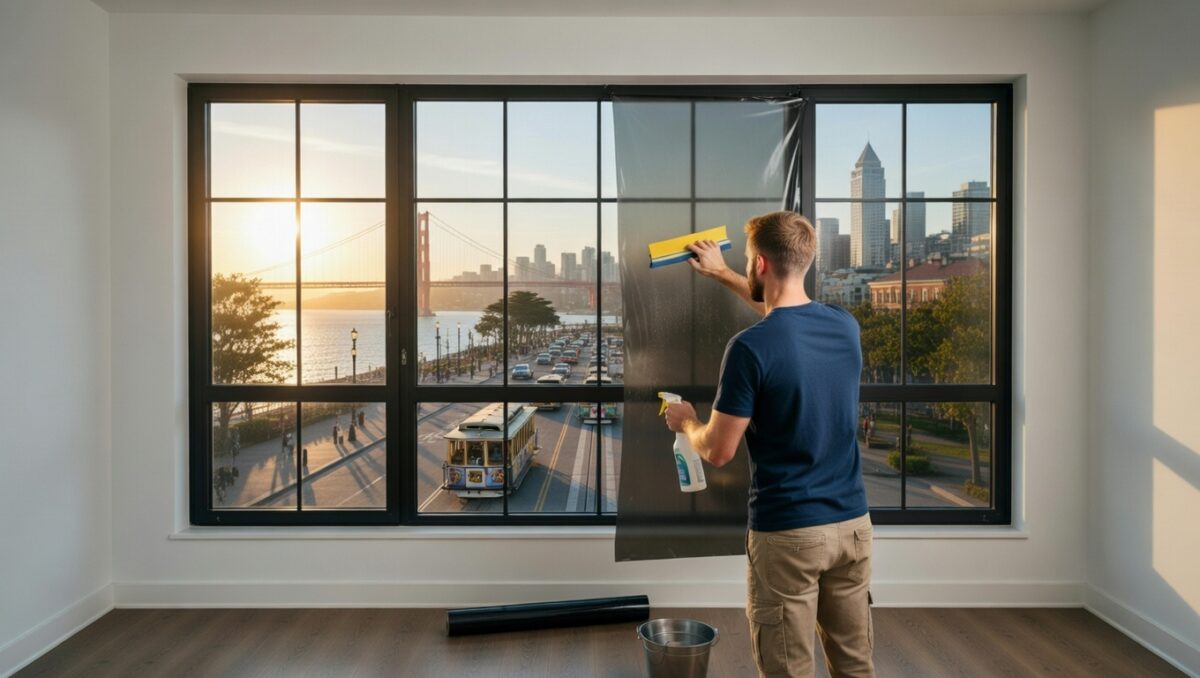
Window films are one of the most searched window upgrades in Toronto. People look them up when rooms feel too hot, glare makes work hard, furniture fades, or privacy feels weak. Many want a fix that works without replacing windows.
Window films are thin layers installed directly on existing glass. They change how sunlight enters a space. Less heat comes in. UV rays get blocked. Glare feels softer. Privacy improves.
Across Toronto and the GTA, window films are used in condos, houses, offices, retail shops, clinics, and schools. You will see them in CityPlace condos, older homes in East York, storefronts near Dundas Street, and offices in Mississauga. The buildings differ. The glass problems repeat.
This guide explains how window films work, where they help most, and why they make sense for Toronto buildings.
What Window Films Are and What They Do
Window films are thin polyester sheets with special coatings. These coatings control how light, heat, and UV pass through glass.
Some window films reflect heat back outside. Others absorb heat before it enters the room. Some spread light to reduce glare. Many block almost all UV rays.
The goal is simple. Make glass behave better.
In Toronto, untreated windows cause common problems. Rooms overheat in summer. Condos trap heat even with AC running. Winter sun causes glare but adds little warmth. Floors and furniture fade faster than expected.
Window films reduce these issues before sunlight reaches the interior.
If you want a simple breakdown of film types, this guide on window films basics explains the options without technical wording.
Why Window Films Matter in Toronto Weather
Toronto weather is hard on glass.
Summers are hotter than they used to be. Heat waves last longer. South and west facing windows push indoor temperatures up fast. In condos, blinds alone do not help much.
In winter, glare becomes the issue. People close blinds and turn on lights during the day. Energy use rises.
Window films help smooth these extremes.
They reduce summer heat gain. They soften glare all year. They block UV that fades floors and furniture even during colder months.
Natural Resources Canada explains that windows are one of the biggest sources of heat gain and loss in Canadian buildings. Their guide shows why improving glass performance matters: Natural Resources Canada – Window Heat Loss.
How Homeowners Use Window Films
Homeowners usually ask about comfort first.
In East York and Scarborough, many homes still have solid windows but poor heat control. Replacing windows costs a lot and takes time. Window films offer a faster option.
In Vaughan and Markham, newer homes often have large glass areas. These look nice but trap heat during the afternoon.
Homeowners use window films to:
- Cool down hot bedrooms
- Reduce glare on TVs and laptops
- Protect hardwood floors and rugs
- Add privacy near sidewalks
- Lower AC use during heat waves
New example: A townhouse near Don Mills had a second-floor bedroom that stayed hot all summer. After solar window film was installed, the room cooled enough that the family stopped using a portable AC.
For homes near busy streets, these privacy window film ideas explain how to improve privacy without dark rooms.
How Businesses Use Window Films in the GTA
Businesses focus on comfort and function.
Retail stores deal with faded products. Offices deal with glare on screens. Clinics need privacy without dark rooms. Restaurants struggle with uneven temperatures that leave certain tables empty.
Window films help fix these problems quietly.
- Storefront glare control
- Office comfort improvement
- Meeting room privacy
- UV protection for displays
- Added safety during glass breakage
New example: A small office near Etobicoke had afternoon glare that made screens hard to read. After window film installation, staff stopped rearranging desks to avoid the sun.
Security also matters more now. Many GTA storefronts deal with broken glass incidents. security window films help hold shattered glass together and reduce injury risk.
What Installing Window Films Involves
Installing window films is more than sticking film to glass.
The installer checks the glass type first. Double pane, tempered, and low-e glass all react differently.
The wrong film on the wrong glass can cause stress cracks. This is where many issues begin.
A proper install often includes:
- Glass inspection
- Film selection based on use
- Deep cleaning
- Wet application
- Hand trimming edges
- Curing time
Light haze or moisture spots may appear at first. This clears as the film dries.
The International Window Film Association provides general guidance on film standards here: International Window Film Association.
Common Myths About Window Films
“Window films make rooms dark.”
Some do. Many reduce heat while staying clear.
“Window films damage windows.”
Problems usually happen when film and glass do not match.
“Window films only help in summer.”
They also help with glare and UV in winter.
“DIY kits work the same.”
Film quality and install skill matter more than people expect.
This breakdown of DIY vs professional window film installation explains why results differ so much.
Are Window Films Worth It in Toronto?
For many Toronto homes and businesses, yes.
Window films solve real problems without major renovation. They improve comfort, protect interiors, and make rooms usable again.
Most people say the same thing after install. They waited too long.
Talk to a Local Window Film Expert
If heat, glare, fading, or privacy keep coming up, window films deserve another look.
A local installer understands Toronto buildings, condo rules, and seasonal issues.
Learn more about professional window film solutions at Tintly Window Films.
Better glass performance starts with the right film.