Are you considering window film installation for your home? Whether you’re interested in reducing glare, enhancing privacy, or adding a decorative touch, home window films are a versatile and cost-effective solution. In this guide, we’ll explore essential tips for installing window film, ensuring you achieve professional results that elevate your living space. Window films not only serve functional purposes but also significantly enhance the aesthetic appeal of your home. By following the tips outlined, you can transform your windows into a focal point of style and practicality.
Before diving into the installation process, it’s important to understand what home window film is and how it can benefit you. Window film technology has evolved over the years, offering a range of options tailored to meet specific needs. These films are not only practical but also an investment in the longevity and efficiency of your home’s interior. Knowing the different types of films and their benefits can help you make an informed decision that aligns with your goals and preferences.
Home window film is a thin laminate film that can be installed on the interior or exterior surfaces of glass windows. It offers a variety of benefits, including UV protection, heat reduction, privacy, and enhanced security. These films are made from durable materials designed to withstand various environmental conditions, ensuring long-lasting performance. By creating a barrier between the interior of your home and the external environment, window films play a crucial role in maintaining your home’s comfort and security.
There are several types of window films available, each serving different purposes:
- Solar Control Film: Reduces heat and glare, helping to lower energy costs. These films are particularly effective in rooms with direct sunlight, providing a comfortable environment while reducing the strain on your cooling systems.
- Decorative Film: Enhances the aesthetic appeal of your windows with patterns or colors. They are perfect for adding a unique touch to your home decor, allowing you to personalize your space without permanent alterations.
- Privacy Film: Provides privacy without sacrificing natural light. Ideal for urban settings where close proximity to neighbors can be a concern, these films let you enjoy your space without feeling exposed.
- Security Film: Strengthens glass and holds shattered pieces together in case of breakage. This type of film adds an additional layer of protection against intrusions and natural disasters, ensuring peace of mind.
Installing window film offers numerous advantages, making it a popular choice for homeowners and interior designers alike. Beyond the immediate visual and functional improvements, window films contribute to the overall sustainability and efficiency of your home. By investing in window film, you are also investing in the long-term health and comfort of your living environment.
One of the primary benefits of window film is its ability to improve energy efficiency. By reducing heat gain in the summer and heat loss in the winter, window film helps maintain a comfortable indoor temperature, which can lead to lower energy bills. This reduction in energy consumption not only saves money but also reduces your carbon footprint, making it an eco-friendly choice. Additionally, the improved thermal insulation provided by window films can enhance the overall value of your property.
Window film blocks up to 99% of harmful UV rays, protecting your furniture, flooring, and artwork from fading. This protection extends the life of your interior furnishings, preserving their beauty and value. By safeguarding your belongings from UV damage, window films help maintain the aesthetic integrity of your home over time. This is particularly important for homes with valuable art collections or vintage furnishings that are prone to sun damage.
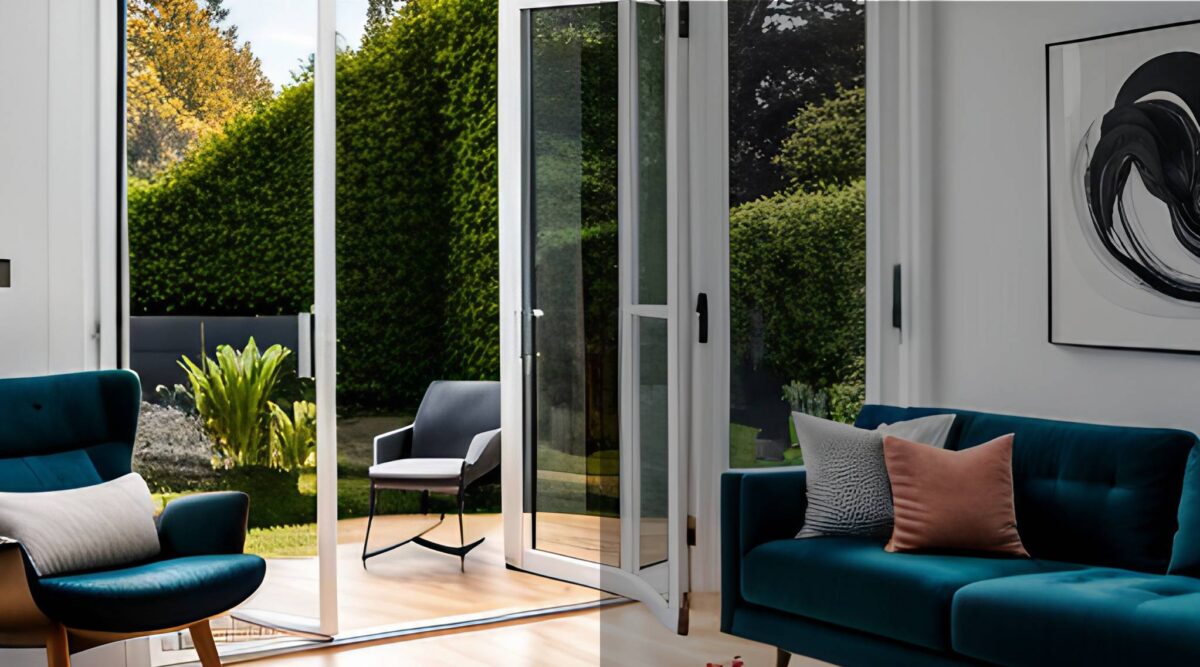
Decorative window films offer a wide range of styles, from frosted and etched glass looks to bold patterns and colors. These films provide an affordable way to update the look of your windows and complement your interior design. They allow for creative expression while maintaining the functionality of your windows. Whether you’re looking for a subtle enhancement or a bold statement, decorative films offer limitless possibilities to personalize your space.
Privacy films obscure the view from outside without blocking natural light, making them ideal for bathrooms, bedrooms, and street-facing windows. Security films add an extra layer of protection by holding glass fragments together in case of breakage, deterring intruders and preventing injury. These films provide a sense of security and comfort, allowing you to enjoy your home without concerns about privacy or safety. They also act as a deterrent against potential break-ins, adding an additional layer of defense for your property.
Proper preparation is key to a successful window film installation. Follow these steps to ensure your windows are ready for the film. By taking the time to prepare thoroughly, you can avoid common pitfalls and ensure a seamless application. Preparation not only simplifies the installation process but also maximizes the effectiveness and longevity of the film.
Before starting the installation, gather all necessary materials:
- Window film
- Utility knife
- Squeegee
- Spray bottle with soapy water
- Lint-free cloths or paper towels
- Measuring tape
Having all the tools on hand ensures a smooth workflow and minimizes interruptions during the installation process. Investing in quality tools can also improve the precision and finish of your installation, leading to more professional results.
The surface of your windows must be spotless before applying the film. Use a glass cleaner and lint-free cloths to remove all dirt, dust, and grease. Any residue left on the glass can cause bubbles and imperfections in the film. A clean surface ensures that the adhesive bonds effectively with the glass, preventing future peeling or bubbling. Consider using a microfiber cloth for a streak-free finish, ensuring your windows are perfectly prepared for film application.
Measure your windows carefully and cut the film to size, leaving an extra inch on each side. This excess will be trimmed away after the film is applied, ensuring a precise fit. Accurate measurements are crucial to avoid wastage and ensure a perfect fit, particularly for windows with unique shapes or sizes. Taking the time to measure twice and cut once can save you from costly mistakes and ensure a flawless finish.
With your materials ready and windows cleaned, you’re set to install the window film. Follow these steps for a smooth application. A methodical approach to installation will help you achieve a professional look, enhancing both the appearance and functionality of your windows. Remember that patience and precision are key to a successful installation.
Fill a spray bottle with a mixture of water and a few drops of dish soap. Generously spray the window to create a slick surface that allows the film to slide into place. This soapy water solution acts as a lubricant, making it easier to adjust the film and remove any air bubbles. Ensure the window is thoroughly wet to facilitate a smooth application.
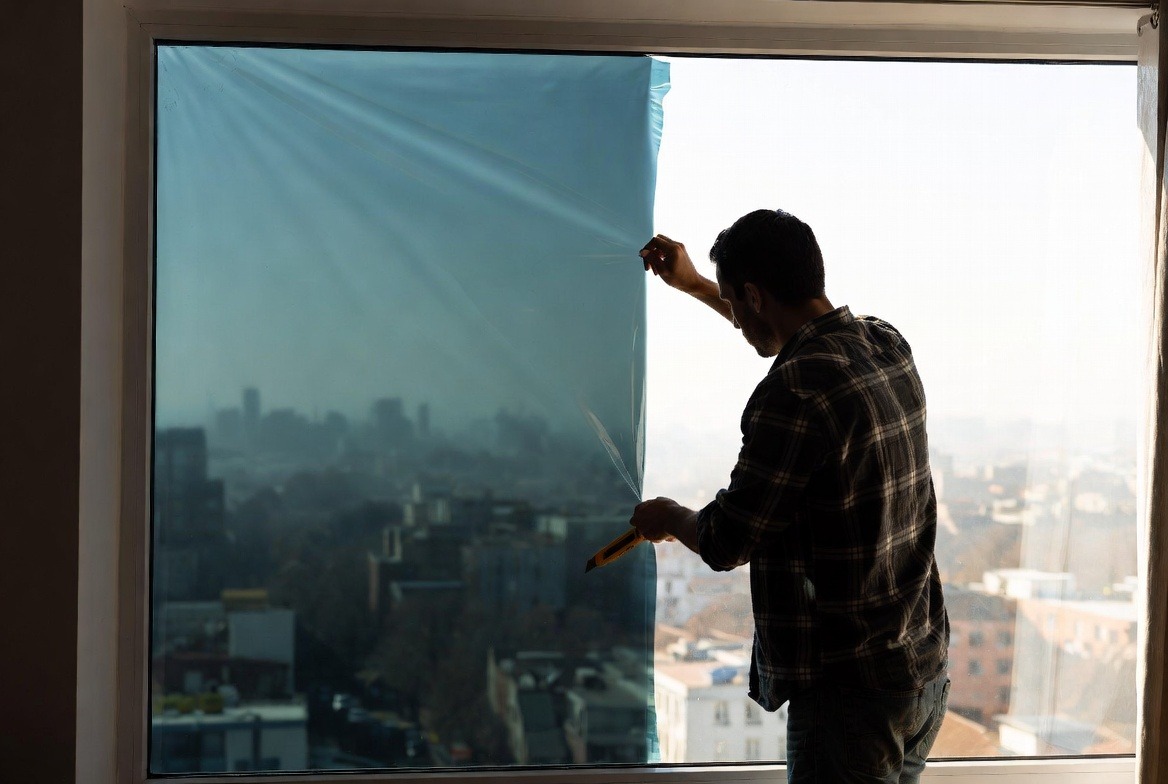
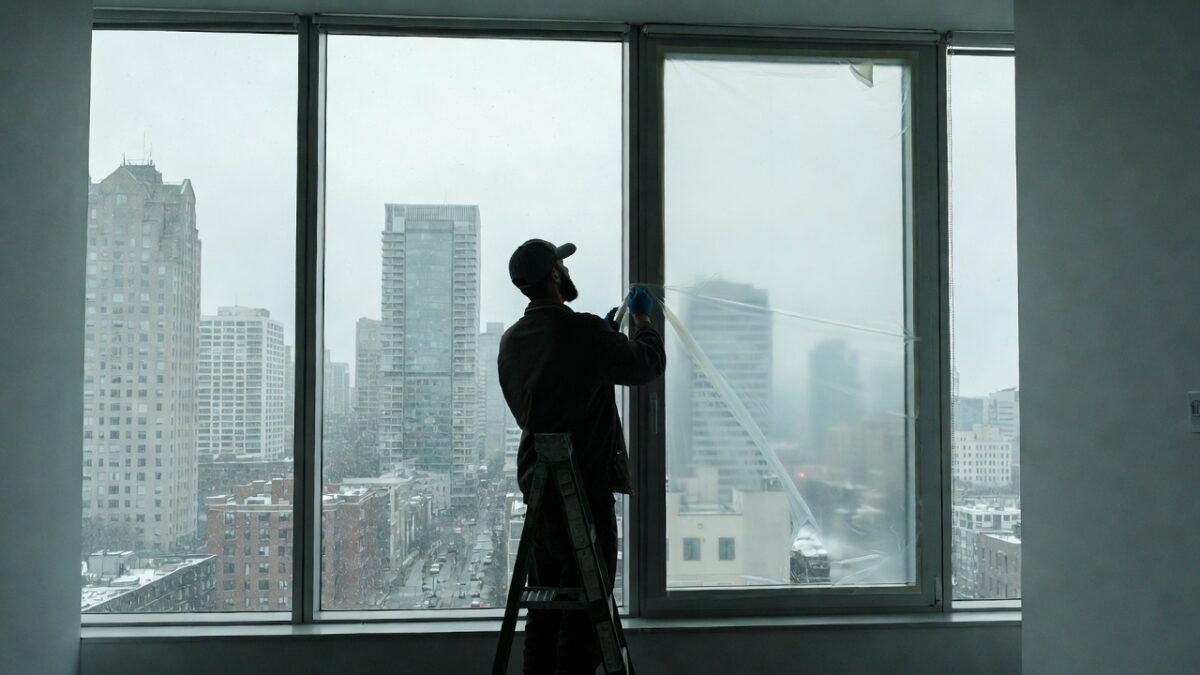
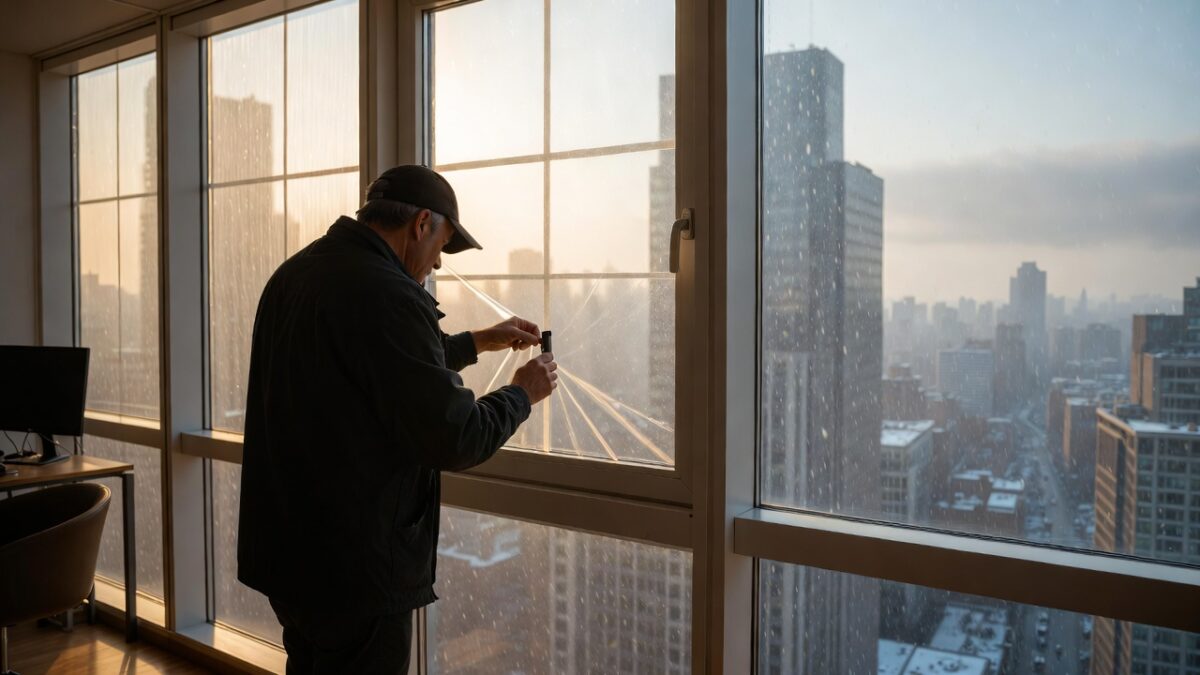
Carefully peel the backing from the window film, exposing the adhesive side. Be cautious not to let the adhesive touch itself or get contaminated with dust or debris. Handling the film carefully prevents creases and ensures a clean, smooth application. Enlist the help of another person if needed, as larger pieces of film can be difficult to manage alone.
Position the film on the wet window, starting at the top and working your way down. Use your hands to gently press the film against the glass, ensuring it lays flat and smooth. Take your time to align the edges accurately and make any necessary adjustments while the window is still wet. This initial positioning is crucial for a flawless finish, so ensure the film is properly centered and aligned before proceeding.
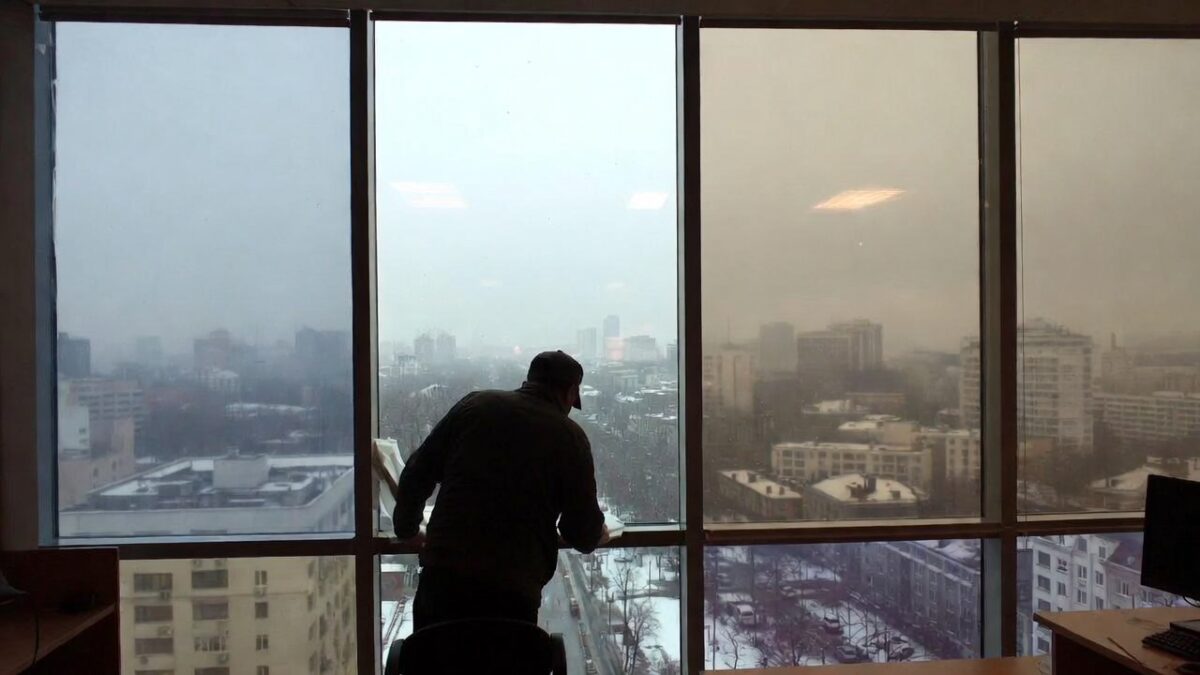
Use a squeegee to smooth out the film, starting from the center and pushing towards the edges. This will remove air bubbles and excess water. Take your time with this step to achieve a bubble-free finish. Work methodically, ensuring that all bubbles are pushed out to the edges of the film. This step not only enhances the appearance but also ensures the durability and longevity of the installation.
Once the film is in place, use a utility knife to trim away the excess film along the edges of the window. Be sure to use a sharp blade for clean cuts. A precise trim ensures a neat finish, enhancing the overall appearance of the film. Take care to follow the contours of the window for a seamless look, and replace the blade frequently to maintain sharpness.
Proper maintenance will ensure your window film lasts for years to come. Regular care not only preserves the film’s appearance but also ensures it continues to function effectively. By following recommended maintenance practices, you can extend the life of your window film and continue to enjoy its benefits.
After installation, wait at least 30 days before cleaning the film. Use a soft cloth or sponge and a mild cleaning solution. Avoid ammonia-based cleaners, as they can damage the film. Gentle cleaning practices help maintain the integrity and clarity of the film, ensuring it remains effective in blocking UV rays and providing privacy. Opt for non-abrasive cleaning tools to prevent scratches or other damage.
Periodically inspect the film for signs of wear, such as peeling or bubbling. Address any issues promptly to maintain the film’s effectiveness and appearance. Regular inspections allow you to catch potential problems early, preventing them from worsening over time. By addressing maintenance needs promptly, you ensure that your window film continues to perform optimally, providing lasting benefits for your home.
Home window film installation is a straightforward process that offers significant benefits, from energy efficiency to enhanced privacy and aesthetics. By following these essential tips, you can achieve professional results and enjoy the advantages of window film for years to come. Whether you’re an interior designer seeking cost-effective solutions or a homeowner looking to update your space, window film is a versatile option that delivers style and functionality. Embrace the possibilities and transform your windows today! By taking advantage of the diverse range of films available, you can tailor your windows to meet your specific needs, creating a more comfortable, secure, and visually appealing living environment.