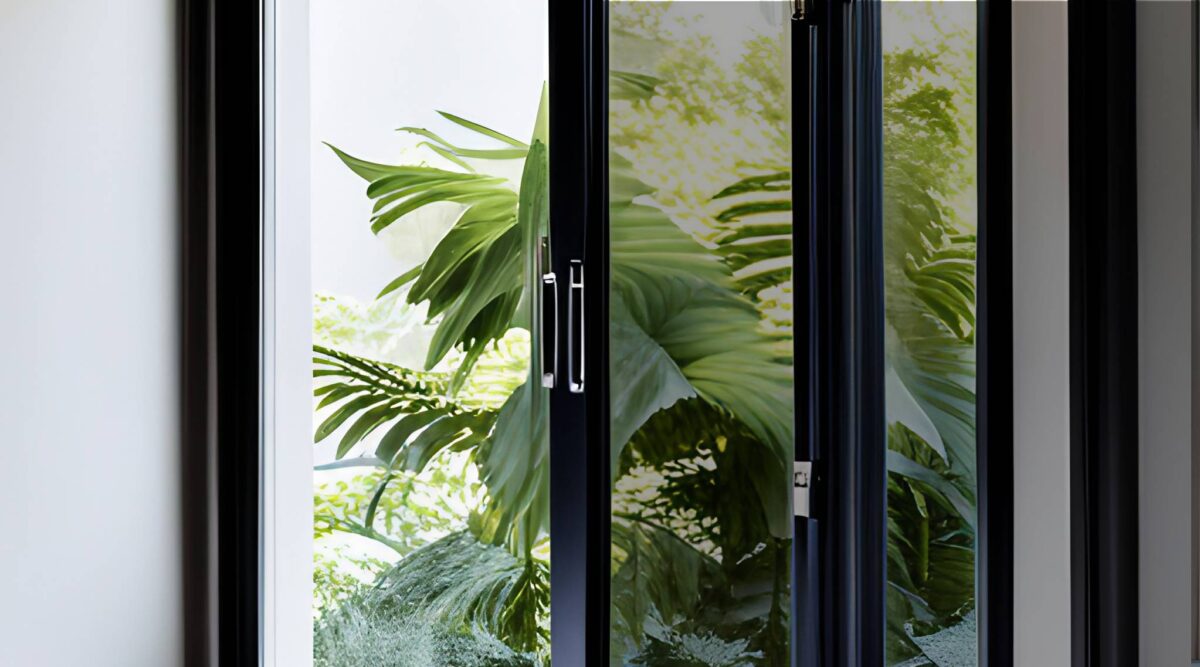
When it comes to enhancing the comfort and style of your home, professional window tinting is a solution worth considering. It offers a range of benefits, from increased privacy to improved energy efficiency. However, like any home improvement project, there are certain best practices to follow and pitfalls to avoid. In this guide, we’ll explore the do’s and don’ts of professional window tinting for home windows, ensuring you make the most of your investment.

Do: Understand the Benefits of Professional Window Tinting
Professional window tinting is more than just a fashionable trend; it’s a practical solution with multiple advantages:
Enhance Privacy
Privacy window film is a popular choice for homeowners who want to keep prying eyes out while still enjoying natural light. It’s an excellent option for ground-floor windows and bathrooms.
Reduce Energy Costs
By blocking out a significant amount of solar heat, window tinting can reduce the need for air conditioning, leading to lower energy bills. It’s an eco-friendly way to make your home more energy-efficient.
Protect Your Interiors
Window tinting helps protect your furniture, flooring, and artwork from fading due to harmful UV rays. This prolongs the life of your home interiors and maintains their aesthetic appeal.
Improve Comfort
Window tinting reduces glare, making it easier to enjoy TV shows, work on a computer, or simply relax without the discomfort of harsh sunlight.
Don’t: Attempt DIY Tinting Without Experience
While DIY projects can be fun and cost-effective, window tinting is best left to professionals. Here’s why:
Precision Matters
Applying window tint requires precision and expertise. Any misalignment or air bubbles can affect the appearance and performance of the tint.
Quality of Materials
Professionals have access to high-quality tinting materials that may not be available to the average consumer. These materials are more durable and effective.
Long-Term Savings
Although hiring professionals might seem costly upfront, it can save you money in the long run by avoiding mistakes that could lead to additional expenses.

Do: Choose the Right Type of Tint
Selecting the appropriate window film is crucial to achieving your desired results. Consider the following options:
Solar Control Film
This type of film is designed to reduce heat and glare, making it ideal for sunny areas of your home. It provides energy savings and enhances comfort.
Decorative Film
If aesthetics are a priority, decorative films offer a range of patterns and designs. They can add a unique touch to your interior decor while providing privacy.
Safety and Security Film
For added protection, safety and security films are thicker and can help hold glass together in the event of breakage, providing peace of mind.
Don’t: Ignore Local Regulations and Guidelines
Before proceeding with window tinting, it’s essential to be aware of any regulations or guidelines in your area. Some regions have specific rules regarding the reflectivity and darkness of window films. Ensure compliance to avoid fines or having to remove the tint later.
Do: Consult with a Professional Installer
A professional installer can offer valuable insights and recommendations tailored to your needs. Here’s what to expect during a consultation:
Assessment of Your Needs
The installer will evaluate your home and discuss your goals, whether it’s enhancing privacy, reducing energy costs, or improving aesthetics.
Customized Solutions
Based on the assessment, the installer will suggest suitable types of window film and provide a detailed quote for the project.
Professional Installation
With expert installation, you can be confident in the quality and longevity of your window tinting. Professionals have the tools and skills to ensure a flawless finish.

by Svetlana Rozhdestvenskaia (https://unsplash.com/@sweetspring)
Don’t: Overlook Maintenance and Care
Proper maintenance is essential to keep your window tint looking and performing its best. Follow these tips:
Cleaning
Use a soft cloth and a mild, non-abrasive cleaner to clean the tinted windows. Avoid ammonia-based products, as they can damage the film.
Regular Inspections
Periodically inspect the tint for any signs of peeling or bubbling. If you notice any issues, contact your installer for repairs.
Do: Consider the Long-Term Benefits
Investing in professional window tinting is not just about immediate gains. Think about the long-term benefits:
Increased Property Value
Window tinting can enhance the appeal of your home, potentially increasing its resale value. Prospective buyers often appreciate energy-efficient and stylish upgrades.
Sustainability
By reducing energy consumption, window tinting contributes to a more sustainable living environment. It’s a step towards reducing your carbon footprint.
Conclusion
Professional window tinting offers a myriad of benefits, from improved privacy and comfort to energy savings and enhanced aesthetics. By following these do’s and don’ts, you can make an informed decision and ensure a successful window tinting project for your home. Whether you’re an interior designer looking to add a touch of elegance or a homeowner seeking practical solutions, window tinting is a versatile option worth exploring.
When you choose to work with experienced professionals, you ensure that your investment is protected and that you enjoy the full range of advantages that window tinting has to offer. Embrace the possibilities and transform your living space today.“`