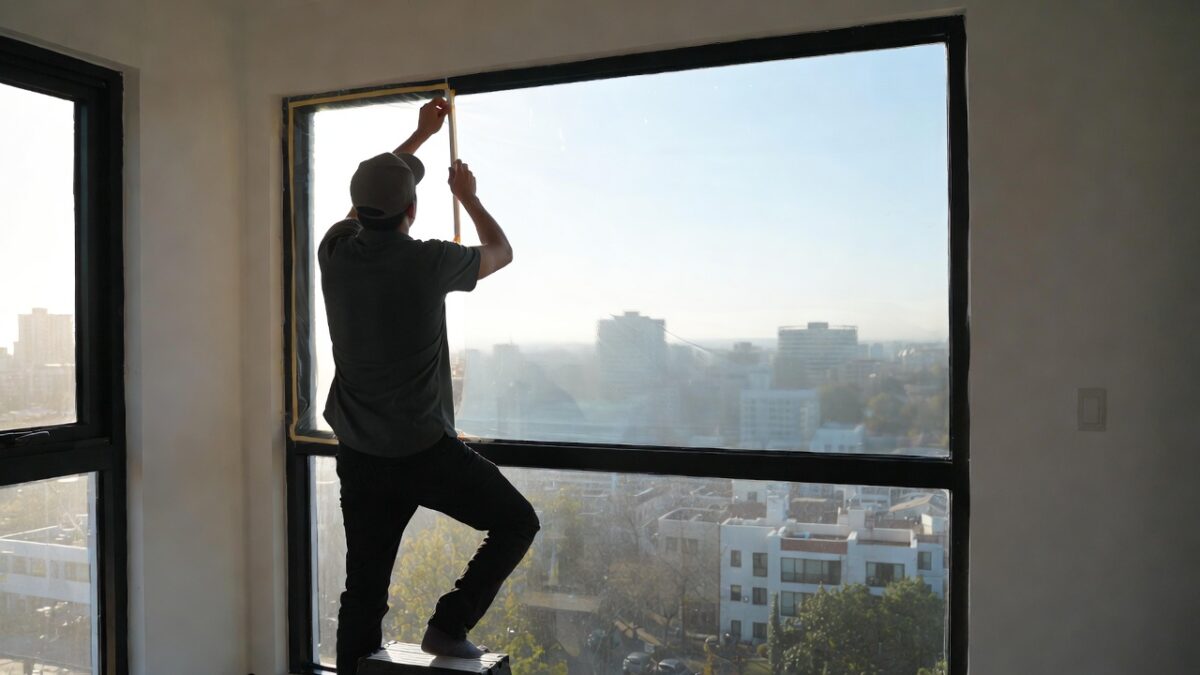
When considering enhancements for your home, window tinting might not be the first thing that comes to mind. However, trusted window tint for home windows offers a range of benefits that extend beyond mere aesthetics. From energy efficiency to privacy and UV protection, residential window film can be a valuable addition to your home improvement plans. Before you dive into the world of window tinting, here’s what you need to know to make informed decisions.

Residential window film is a thin layer of material applied to your windows. This film can be made of various materials including polyester and metals, which are layered to provide different levels of tint and protection. The primary purpose of window film is to control the amount of sunlight and heat that enters a home. This can be particularly useful in areas with intense sunlight and high temperatures.
Types of Window Film
There are several types of window films to consider, each with its own unique benefits:
- Solar Control Film: This type of film is designed to reduce heat and glare from the sun, which can help lower energy costs by reducing the need for air conditioning.
- Privacy Film: As the name suggests, privacy film limits the view into your home from the outside, while still allowing natural light to enter.
- Security Film: Security films are thicker and help hold glass shards together in case of breakage, providing added safety and security.
- Decorative Film: Available in various patterns and designs, decorative films enhance the aesthetic appeal of your windows without compromising natural light.
- UV Protection Film: These films block a significant amount of ultraviolet rays, which can fade furniture, flooring, and artwork over time.
Benefits of Home Window Tint

Energy Efficiency
One of the most significant advantages of home window tint is its ability to improve energy efficiency. By blocking a portion of the sun’s heat, tinted windows reduce the need for air conditioning, resulting in lower energy bills. This is an eco-friendly solution that not only saves you money but also reduces your carbon footprint.
Enhanced Comfort
With window tinting, you can enjoy a more comfortable living environment. By reducing glare and blocking excess heat, window film helps maintain a consistent indoor temperature, making your home more pleasant to live in.
UV Protection
The sun’s ultraviolet rays can cause damage to your skin and the interior of your home. Trusted window tint for home windows can block up to 99% of harmful UV rays, protecting your family and preserving your home’s interior.
Increased Privacy
Privacy is a crucial aspect of any home. Window tinting can provide an added layer of privacy by preventing outsiders from peering into your home, while still allowing you to enjoy the view outside.
Aesthetic Enhancement
Window films come in various styles and shades, allowing you to enhance the appearance of your home. Whether you prefer a sleek, modern look or a more traditional style, there’s a window film to match your aesthetic preferences.
Considerations Before Installation
Before you decide to install window tint, there are several factors to consider to ensure you choose the right solution for your home.
Assess Your Needs
Start by assessing your specific needs. Are you looking to improve energy efficiency, enhance privacy, or protect your home from UV rays? Understanding your priorities will help you select the most suitable type of window film.
Professional Installation
While some homeowners may be tempted to install window film themselves, professional installation is recommended for the best results. Professionals have the expertise and tools to ensure a flawless application, which can prevent issues like bubbling and peeling.
Cost and Budget
The cost of window tinting can vary based on the type of film and the size of your windows. Consider your budget and weigh it against the long-term savings on energy bills and potential increase in property value.
Warranty and Durability

by Louis Tripp (https://unsplash.com/@l_tripp)
When choosing window film, inquire about the warranty and durability. A reputable manufacturer will offer a warranty that covers defects and ensures the longevity of the film. High-quality films can last for many years with proper maintenance.
Choosing the Right Window Film
Selecting the right window film involves more than just picking a color or shade. Here are some tips to help you make the right choice:
- Consult with a Professional: A professional can assess your home and recommend the best window film based on your needs and the orientation of your windows.
- Consider Climate and Location: The climate and location of your home can influence the type of window film you need. For instance, homes in sunny areas may benefit from solar control films.
- Evaluate the Film’s Features: Look for films that offer multiple benefits, such as UV protection, glare reduction, and energy efficiency. This can provide a well-rounded solution that meets various needs.
- Check the Visible Light Transmission (VLT): VLT measures the amount of visible light that passes through the film. Choose a VLT that balances natural light with privacy and glare reduction.
Conclusion
Installing trusted window tint for home windows is a smart investment that offers numerous benefits, from energy efficiency to enhanced privacy and UV protection. By understanding your needs and selecting the right type of residential window film, you can enhance your home’s comfort and aesthetics. Remember, professional installation is key to achieving the best results. With the right window film, you can enjoy a more comfortable, energy-efficient, and stylish home.