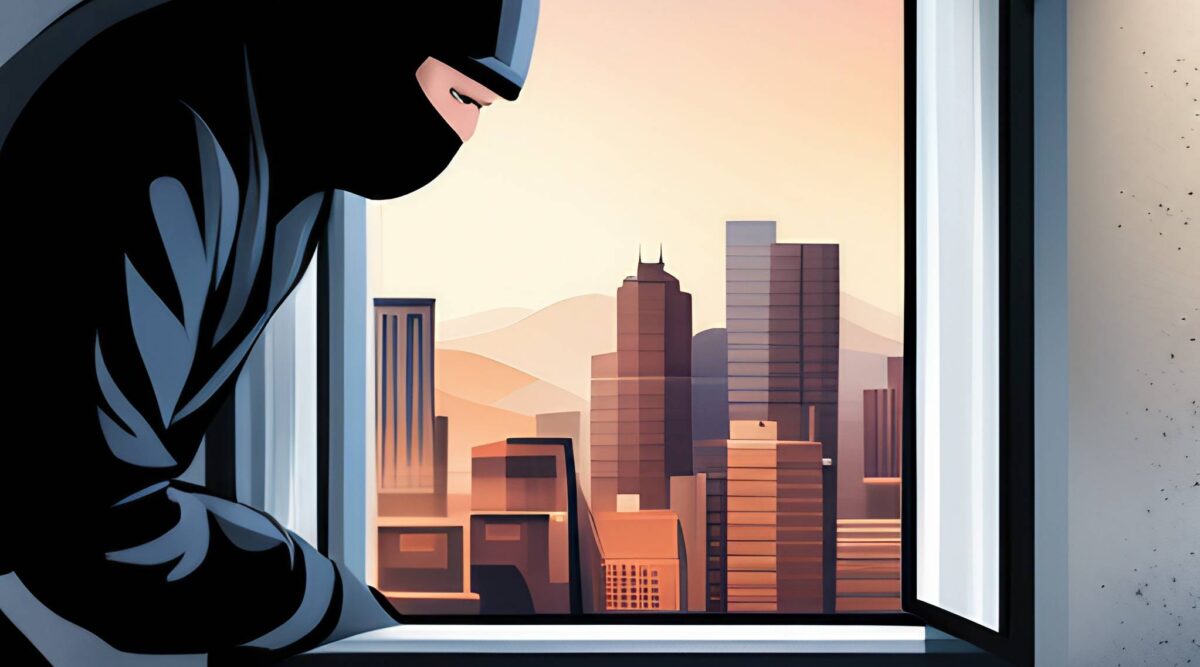
Window films are a common solution homeowners search for when they want safer windows without replacing glass. Residential security window films help hold broken glass together, reduce injury, and slow break-ins while keeping the same windows and frames.
Across many Canadian neighbourhoods, interest in window films increases after break-ins, winter storms, or damage to older glass. Security window film installs on existing windows and adds strength without major changes to the home.
Many homeowners start by learning the basics through resources like Introduction to Window Films before focusing on security options.
What Residential Security Window Films Are
Residential security window films are thick polyester layers applied to the inside of glass. The film bonds to the surface and helps keep broken pieces together after impact.
This type of window film does not stop glass from cracking. It changes how the glass reacts after it breaks. Instead of falling apart fast, the glass stays held in place longer.
Some homeowners mix up security window films with tint films. Tint helps with glare or shade. Security films focus on strength. Some window films combine both features.
Why Homeowners Use Security Window Films
Glass is often the weakest part of a home. Patio doors, basement windows, and front doors with glass inserts are common access points.
Security window films slow forced entry. Even a short delay can stop a break-in. Many intruders leave once resistance increases.
The film also reduces injury during accidents and storms. Broken glass stays together instead of spreading across floors.
Homeowners often read guides like what are security window films to understand how this protection works.
Where Security Window Films Are Installed Most
Not every window needs security film. Most homes focus on higher-risk areas.
- Front doors with glass panels
- Back doors and patio doors
- Ground-floor windows
- Basement windows near walkways
- Garage access doors
These spots are easier to reach and often face weather stress.
How Window Films React When Glass Breaks
Untreated glass breaks fast and separates into sharp pieces.
With security window film installed, the glass cracks but stays together. This reaction is similar to how safety films enhance window security in residential homes.
Intruders need more time and effort to get through the glass. Many stop once progress slows.
Local Example: Older Row House
A homeowner in an older row house added security window film after several nearby break-ins. The home had large front windows close to the sidewalk.
Later that year, a thrown object cracked one window. The glass stayed in place. No entry happened. The owner replaced only the glass panel.
This type of damage is common in dense areas with street-facing windows.
Window Films Compared to Window Replacement
Replacing windows costs more and takes longer. Many homeowners compare window films over replacements when planning safety upgrades.
Security window films install faster and avoid changes to frames or trim. Most installations finish in one day.
For homes with solid frames but weak glass, film is often the better choice.
Why Professional Installation Matters
Security window film must bond correctly to work well. Poor installs can lead to peeling or weak edges.
Many homeowners choose professional window film installation to avoid early problems.
Installers clean the glass fully, apply the film evenly, and trim edges clean. This helps the film last longer.
Second Example: Winter Wind Damage
A family near Lake Ontario added security window film after strong winter winds cracked a living room window.
The glass broke inward but stayed together. No injuries happened. Cleanup was quick and simple.
Freeze and thaw cycles often cause this type of break in older homes.
How Long Security Window Films Last
Most residential security window films last between 10 and 15 years indoors.
The International Window Film Association explains that lifespan depends on film thickness, glass condition, and install quality.
Indoor installs last longer since they avoid moisture and heavy sun exposure.
Extra Benefits Homeowners Notice
After installation, many homeowners notice small added benefits.
- Less glass noise during storms
- Reduced UV fading on furniture
- Slight privacy gain during daylight
Results depend on the film type used.
Window Films and Seasonal Comfort
Some security window films also block UV and heat. This helps keep rooms cooler in summer.
The U.S. Department of Energy explains how window films reduce heat gain and protect interiors.
Homes with large south-facing windows often notice better comfort.
Are Security Window Films a Smart Upgrade?
For homeowners who want safer glass without replacing windows, security window films offer a practical solution.
They change how glass behaves during impact and lower injury risk. Many homeowners value the added peace of mind most.
Frequently Asked Questions
What do residential security window films do?
Residential security window films hold glass together when it breaks and reduce injury or forced entry.
Do security window films stop break-ins completely?
Security window films do not stop break-ins fully, but they slow entry and add resistance.
Are security window films visible once installed?
Most residential security window films are clear and do not change window appearance.
Can security window films be installed on existing windows?
Security window films install directly onto existing glass without replacing windows.
How long do residential security window films last?
High-quality security window films usually last 10 to 15 years indoors.