# Window Films Explained: What You Need to Know
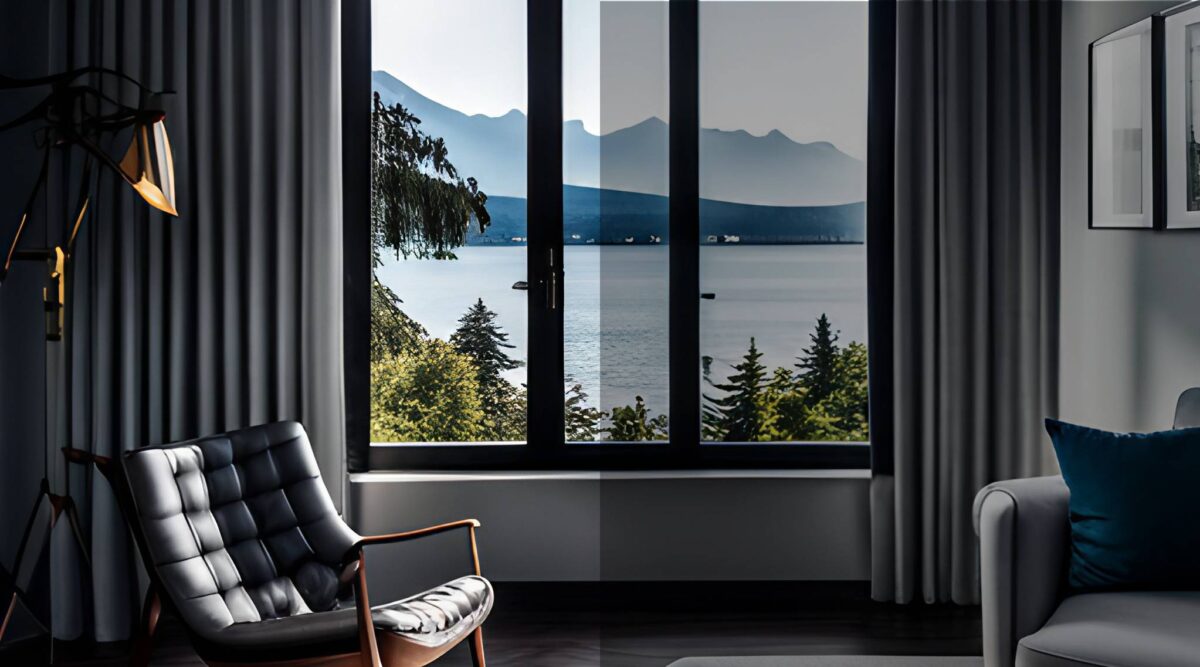
In the world of home improvement, window films are gaining popularity for their versatility and functionality. They offer a range of benefits from enhancing privacy to improving energy efficiency. Whether you’re an interior designer looking to elevate your projects or a homeowner seeking innovative solutions, understanding window films can be highly beneficial.

by Kevin Butz (https://unsplash.com/@kevin_butz)
Window films are thin layers of laminate that can be applied to the interior or exterior of glass surfaces in homes and buildings. They come in various types, each designed to serve specific purposes, including decorative, privacy, and energy-saving functions.
Types of Window Films
- Decorative Window FilmsThese films are used to add aesthetic appeal to glass surfaces. Available in a variety of patterns, textures, and colors, decorative window films can transform plain glass into a stylish design feature. They are a cost-effective way to enhance the visual appeal of a space without replacing the glass itself.
- Privacy Window FilmsPrivacy films are designed to obscure visibility into a space, making them ideal for bathrooms, bedrooms, or any area where privacy is desired. They allow light to pass through while preventing onlookers from seeing inside, providing a sense of security without sacrificing natural light.
- Energy-Efficient Window FilmsThese films help in reducing energy consumption by blocking heat from entering a space during summer and retaining heat during winter. They can significantly cut down on energy bills and improve comfort levels in homes and offices.
Benefits of Window Films
Enhanced Aesthetics

by Ilona Frey (https://unsplash.com/@couleuroriginal)
Decorative window films offer endless design possibilities. They can mimic the look of etched or frosted glass, adding sophistication and style to any room. For interior designers, this means an affordable way to introduce unique design elements that align with a client’s vision.
Increased Privacy
Privacy films are perfect for creating secluded spaces without the need for heavy curtains or blinds. They are especially useful in urban areas where buildings are close together, and privacy is a concern. With privacy films, homeowners can enjoy the view without feeling exposed.
Energy Efficiency
Energy-efficient window films can significantly impact a building’s energy consumption. By reducing the amount of heat that escapes in winter and enters in summer, these films help maintain a consistent indoor temperature. This not only reduces energy bills but also lessens the environmental impact of heating and cooling systems.
UV Protection
Window films also provide protection against harmful UV rays, which can fade furnishings, artwork, and flooring over time. By blocking up to 99% of UV rays, window films help preserve the interior of your home and extend the life of your belongings.
Installation Process
The installation of window films is a straightforward process, but it requires precision for optimal results. Professional installation ensures that the film adheres smoothly without air bubbles or creases.
Steps Involved in Installation
- Surface PreparationClean the glass thoroughly to remove any dirt, dust, or oils. A clean surface is crucial for the film to adhere properly.
- Film ApplicationMeasure and cut the film to the size of the window. Carefully apply the film to the glass, starting from the top and working your way down. Use a squeegee to remove any air bubbles and ensure a smooth finish.
- Final TouchesTrim any excess film and inspect for imperfections. Allow the film to cure for a few days, during which time it should not be disturbed.
Choosing the Right Window Film

by Steven Van Elk (https://unsplash.com/@stevenvanelk)
When selecting window films, consider the specific needs of the space. Are you prioritizing aesthetics, privacy, or energy efficiency? Understanding the primary purpose will guide you in choosing the right type of film.
Considerations for Interior Designers
For interior designers, window films offer a way to enhance a space without major renovations. Consider the overall design theme and choose films that complement the interior decor. Decorative films can add a touch of elegance, while privacy films offer functionality without compromising on style.
Balancing Function and Style
It’s essential to strike a balance between functionality and aesthetics. For instance, a decorative film may enhance the visual appeal but might not offer the privacy needed in certain areas. Evaluate the specific requirements of each project to make an informed decision.
Maintenance and Care
Window films are relatively low-maintenance but require some care to ensure longevity. Avoid using abrasive cleaners or tools that can scratch the film. Instead, use a soft cloth and a mild cleaning solution to keep them looking their best.
Tips for Longevity
- Clean the films regularly to prevent the buildup of dust and grime.
- Avoid using sharp objects near the film to prevent scratches or tears.
- Ensure that the film edges remain sealed to prevent peeling.
Conclusion
Window films are an excellent addition to any home or office space. They provide aesthetic appeal, privacy, energy efficiency, and UV protection, all in one affordable package. For interior designers, they offer a versatile tool to enhance designs without extensive renovations.
Whether you’re looking to improve the aesthetics of a space, increase privacy, or reduce energy costs, window films are a smart solution. With the right selection and professional installation, they can transform your windows into a functional and stylish feature of your home.
By understanding the types and benefits of window films, you can make an informed decision that meets both your design and functional needs.