Categories
Window Tinting and Window Films

What Influences the Cost of Installing Window Films

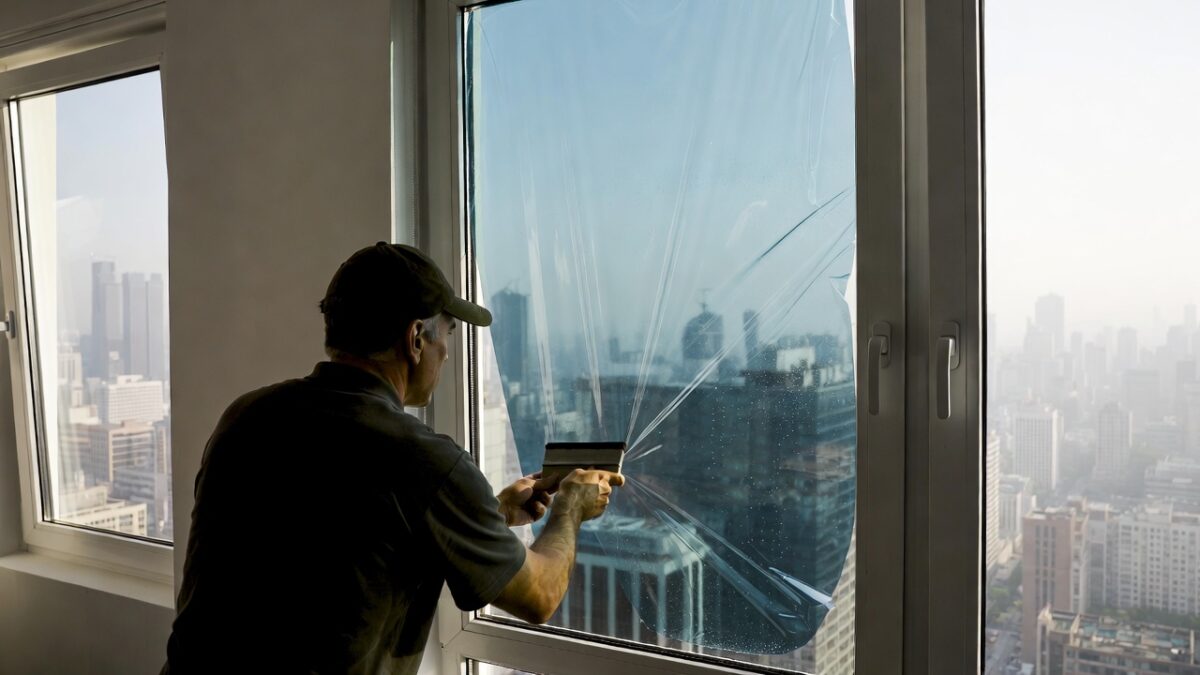
Window film installation tools

When considering window films, several elements contribute to the overall cost. These include the type of film, window size and shape, installation complexity, and additional features like UV protection or decorative patterns. Understanding these factors can help you make a more informed decision that aligns with your budget and design goals. Let’s explore each of these factors in detail.

Types of Window Films

The type of window film you choose significantly impacts the cost. Here are some common types:

  • Solar Control Films: These films help reduce glare and block harmful UV rays, enhancing energy efficiency. They are priced based on their performance level and brand reputation. Premium brands may offer advanced technology that increases energy savings, potentially justifying a higher upfront cost due to long-term savings on energy bills. Additionally, the effectiveness of solar control films can contribute to a more comfortable indoor environment, reducing dependency on air conditioning.
  • Decorative Films: Ideal for adding style and privacy, decorative films come in various patterns and designs. The complexity of the design can affect the price. More intricate designs often require precision cutting and installation, which can increase labor costs. However, decorative films can transform a simple window into a focal point, enhancing interior design without the need for expensive renovations.
  • Safety and Security Films: These are thicker films designed to hold glass together in case of breakage, providing additional safety. Due to their durability, they tend to be more expensive. Safety films are particularly valuable in areas prone to natural disasters or high-security needs. They can also deter break-ins, adding an extra layer of protection to your property.
  • Privacy Films: These films are used to obscure visibility from outside while maintaining light transmission inside. They are usually moderately priced. Privacy films are an excellent choice for ground-level windows in busy areas or bathroom windows where privacy is essential. They offer a balance between seclusion and natural light, making them a versatile option for various spaces.

Window Size and Shape

Different window shapes and sizes

The dimensions and shape of the windows being treated will also influence the cost. Larger windows require more material, leading to higher prices. Moreover, larger installations may necessitate more labor hours, especially if the windows are situated in difficult-to-reach locations. Unusual shapes or custom designs can increase labor costs due to the additional time and skill needed for installation. Custom-shaped windows might also require special ordering of films, which can add to the expense.

Installation Complexity

The complexity of the installation process can affect pricing. Windows that are hard to reach or require scaffolding or ladders will likely incur additional labor costs. This can be a significant consideration in multi-story buildings or homes with unique architectural features. Similarly, windows with intricate designs may require more precise cutting and fitting, increasing the time and cost of installation. Professional installers are trained to handle these complexities, ensuring a high-quality finish and minimizing the risk of damage during installation.

Additional Features

Some window films come with added features that can increase their cost. For instance, films with advanced UV protection or those that are resistant to scratches and fading tend to be more expensive. These features can provide long-term benefits, making them a worthwhile investment. For example, UV protection not only protects your skin but also prevents furniture and flooring from fading, preserving the interior of your home. Scratch-resistant coatings ensure that the films maintain their appearance and functionality over time, reducing the need for frequent replacements.

Brand and Quality

Brand reputation and film quality are crucial in determining cost. Renowned brands often offer higher quality products with better warranties, which can justify a higher price. Brands with a solid track record are likely to provide films that are more durable and effective, offering peace of mind and long-term satisfaction. However, it’s essential to balance brand reputation with budget constraints and specific needs. Sometimes, lesser-known brands can offer comparable quality at a lower price, so it’s important to research and compare options.

Evaluating Window Treatment Prices

With a clear understanding of the factors influencing window film costs, how can you evaluate the prices for your project?

Getting Quotes

Requesting quotes from multiple providers is a good practice. Ensure that each quote includes a breakdown of costs, so you can compare them accurately. This transparency allows you to see where your money is going and identify any hidden fees. Pay attention to any additional fees for labor, materials, or travel that may be included. By comparing detailed quotes, you can negotiate better deals or identify the most cost-effective provider.

Considering DIY vs. Professional Installation

Some homeowners may consider installing window films themselves to save on labor costs. While this can be a cost-effective option for straightforward applications, professional installation is recommended for complex projects. Professionals ensure precision, which can prevent costly mistakes and extend the life of the film. DIY installations might seem cheaper initially, but improper application can lead to bubbles, peeling, or reduced effectiveness, ultimately costing more in repairs or replacements.

Assessing Long-term Value

When evaluating cost, consider the long-term value window films can bring. Films that enhance energy efficiency can reduce heating and cooling costs, leading to savings over time. This can make a significant impact on your monthly utility bills, providing a return on investment. Similarly, decorative films can increase property value by enhancing aesthetic appeal. In competitive real estate markets, such enhancements can make a property more attractive to potential buyers.

Tips for Cost-effective Window Film Installation

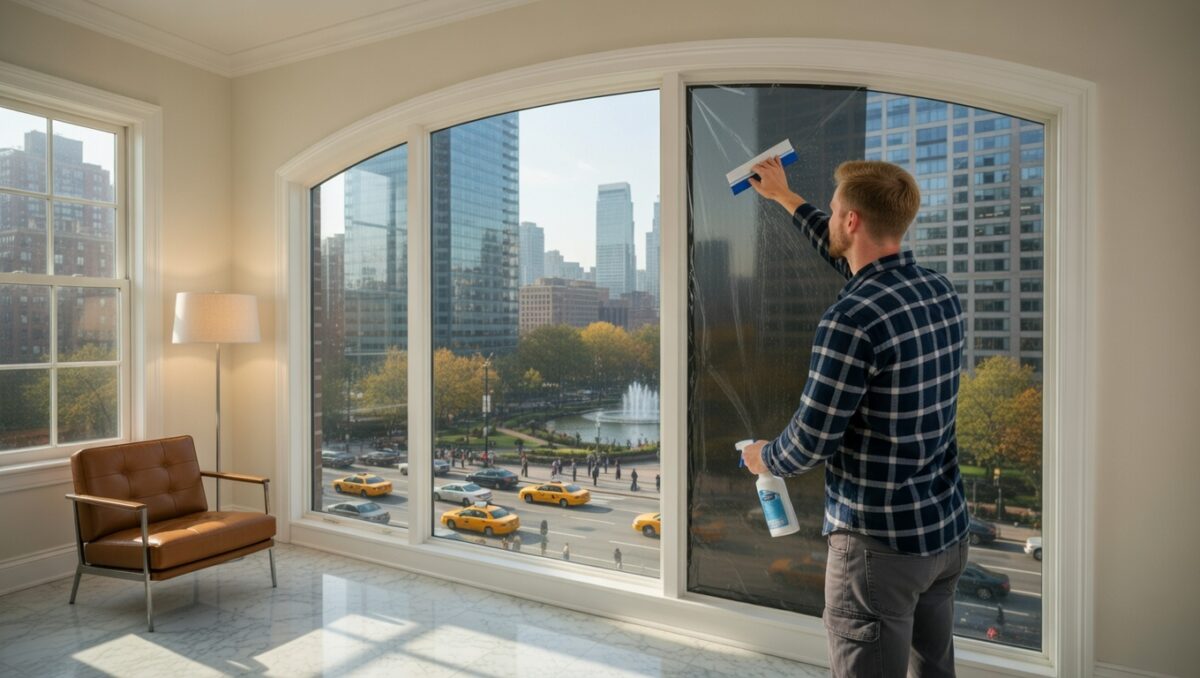
Cost-effective window film application

by Hc Digital (https://unsplash.com/@hcdigital)

Here are some tips to keep in mind when planning your window film installation project:

  • Assess Your Needs: Determine the primary purpose of the window film. Is it for privacy, energy savings, or decoration? This can help you choose the right type of film without overspending. Clarifying your needs can prevent unnecessary expenses on features that aren’t essential for your goals.
  • Prioritize Quality: While it’s tempting to choose the cheapest option, investing in high-quality films can offer better performance and durability. High-quality films are less likely to discolor, bubble, or degrade over time, ensuring a longer lifespan and better overall results.
  • Plan for Future Upgrades: If budget constraints limit your choices, consider films that can be easily upgraded or replaced in the future. Selecting films that are compatible with future advancements can save money and effort down the line.
  • Negotiate Bulk Discounts: If you have multiple windows to cover, inquire about bulk pricing or package deals that can reduce overall costs. Many providers offer discounts for larger orders, making it more economical to tackle multiple windows at once.
  • Research Providers: Look for providers with positive reviews and a track record of quality service. A reputable installer can offer valuable advice and ensure a smooth installation process. Checking for certifications or memberships in professional associations can also indicate a provider’s commitment to quality.

Conclusion

Understanding the cost of installing window films requires considering various factors, from the type and quality of the film to the complexity of the installation. By evaluating these elements, you can make informed decisions that meet your design and budget needs. Whether you’re an interior designer looking to enhance client spaces or a homeowner seeking to improve your home’s efficiency and aesthetics, window films offer a versatile and valuable solution.

By taking the time to assess your needs, explore your options, and choose quality films and installations, you can achieve the desired outcomes while managing costs effectively. Remember that while the initial investment may seem significant, the long-term benefits of energy savings, enhanced aesthetics, and improved comfort can make window films a wise investment for any property. With careful planning and consideration, window films can provide enduring value, transforming your space both functionally and visually.

Categories
Window Tinting and Window Films

How Window Films Improve Energy Efficiency in Homes and Offices Across Toronto

Window films are one of the most searched upgrades for energy savings in Toronto right now. People search for window films because rooms get too hot in summer, cold air sneaks in during winter, and energy bills never seem to slow down. Homes, offices, clinics, and shops across the GTA deal with the same issue. Glass lets heat move too fast. Window films help slow that down.

When people ask if window films really help with energy efficiency, the short answer is yes, when they are chosen and installed correctly. Window films change how glass handles heat, light, and UV exposure. That makes a real difference in how buildings feel and how much energy they use.

This article explains how window films improve energy efficiency, what problems they solve in Toronto buildings, and what people usually notice after installation.

How Window Films Reduce Heat Gain and Heat Loss

Glass is the weakest part of most buildings. Walls slow heat. Roofs slow heat. Windows do not.

In summer, sunlight passes through glass and turns into heat inside the room. In winter, warm indoor air escapes back through the same glass. Window films help slow both of those problems.

Energy-efficient window films are applied directly to existing glass. They reflect part of the sun’s heat. They absorb some heat before it enters the room. They also block UV rays that slowly warm floors, furniture, and air.

This is why window films are common in downtown Toronto condos with large windows. Units facing south or west heat up fast. AC runs longer. Rooms feel uneven. After window films are installed, indoor temperatures become more stable. Rooms cool faster. AC cycles less.

If you want a clear breakdown of heat-control options, this guide explains solar window films benefits and how they manage heat without replacing windows.

Why Window Films Help Lower Energy Bills in Toronto

Energy bills rise when heating and cooling systems work harder than needed. Window films help reduce that load.

Lower heat gain means air conditioning does not fight sunlight all day. Slower heat loss means furnaces do not replace lost warmth every hour.

Office buildings along Yonge Street often deal with uneven temperatures. One side of the floor feels warm. Another feels cold. Thermostats keep changing. After window films are installed, temperature swings shrink and HVAC systems stop overworking.

Retail spaces see the same effect. A storefront near Markham Road installed window films after one summer of high cooling costs. The next summer, cooling hours dropped and staff stopped covering windows with signage.

Homes benefit too. A detached home in Vaughan added window films to upstairs bedrooms. The owners noticed shorter AC cycles at night and steadier temperatures upstairs. No new equipment was installed.

For homeowners comparing costs, this article explains window films vs. replacements in a simple way.

Comfort Gains Without Darkening Rooms

Many people worry that window films will make rooms dark. That concern comes from older tint styles. Modern window films are different.

Most energy-focused window films block heat while letting natural light pass through. Visible light stays high. Infrared heat drops. Glare is reduced without turning rooms into dark spaces.

This matters in offices. Near King West, many offices rely on daylight. Without window films, glare forces blinds closed and lights stay on all day. Energy use goes up again.

With window films, blinds stay open longer. Daylight stays usable. Work areas near windows feel normal again.

Homes see the same benefit. Living rooms stay bright but cooler. Furniture fades slower too.

If shade levels are a concern, this guide explains darkness levels and VLT options in plain language.

Why Window Films Work in Older and Newer Buildings

Older Toronto buildings often have outdated glass. Single pane or early double pane windows are common. Full replacement costs a lot and causes disruption.

Window films upgrade existing glass without removing anything.

This is why many homes near High Park and Riverdale start with window films. They reduce heat problems now without construction or permits.

Newer buildings have a different issue. Too much glass. Modern condos and offices use large glass walls. Heat pours in during summer. Cold leaks out in winter.

Window films help balance these designs without changing the building look.

A new office near Pearson Airport installed window films shortly after move-in. The space looked great but felt hot. Film solved the problem without downtime.

Seasonal Energy Issues Window Films Solve in the GTA

Toronto summers bring heat waves and strong sun. South- and west-facing windows take the hit.

Window films reduce solar heat gain during these months. Rooms cool faster and AC runs less.

Toronto winters bring long cold stretches. Heat escapes through glass and drafts form near windows.

Window films slow that heat loss. Rooms hold warmth longer and heating systems cycle less.

Natural Resources Canada explains how buildings lose energy in Canada here: https://natural-resources.canada.ca/energy-efficiency.

Case Study: Law Office Near Yonge and Bloor

A small law office near Yonge and Bloor had afternoon sun hitting client meeting rooms. The rooms felt warm and blinds stayed closed.

Window films were installed on west-facing glass only. Room temperatures became more stable and blinds stayed open more often. Client comfort improved within weeks.

Case Study: Semi-Detached Home in Brampton

A family in Brampton installed window films on front-facing windows. Summer afternoons felt heavy and AC ran late.

After installation, rooms cooled faster and AC shut off earlier. The home felt steadier during heat waves.

Why Businesses Choose Window Films Before Other Upgrades

Business owners often compare options. New HVAC. New windows. Window films.

Window films install fast. No shutdowns. No permits. Lower cost.

They also work well with privacy or security films, so one install can solve more than one issue.

The U.S. Department of Energy explains how windows affect heat flow in buildings here: https://www.energy.gov/eere/buildings/articles/windows-and-energy-efficiency.

How Long Window Films Keep Working

Quality window films last many years. They do not need power. They do not need controls.

Once installed, they manage heat every day.

This long lifespan makes window films a stable energy upgrade.

Why Local Experience Matters With Window Films

Glass types vary across the GTA. Condo glass differs from house glass. Office glass differs again.

Film selection matters. Installation quality matters.

Local installers understand how Toronto buildings react in summer and winter. That affects results.

Final Thoughts on Window Films and Energy Efficiency

Window films are not a trend. They solve heat gain and heat loss through glass.

For Toronto homes and offices, window films reduce energy waste and improve comfort without major changes.

If rooms feel hot in summer and cold in winter, glass is often the reason.

Window films fix that problem.

If you want to learn more about energy-efficient window films or see if they fit your space, visit https://tintly.ca/ and start with a simple conversation.

Categories
Window Tinting and Window Films

Can Window Tinting Maintain Privacy After Dark

As an interior designer, you know the importance of balancing aesthetics with functionality. One area where this is often tested is in choosing the right window treatments. Window tinting is a popular choice for many, offering a sleek look while addressing privacy and energy efficiency concerns. However, a common question arises: Can window tinting maintain privacy after dark? This question becomes crucial for creating living spaces that are both beautiful and secure. Let’s explore this topic and understand how window films can meet your client’s needs effectively.

Window tinting close-up

Window tinting involves applying a thin film to glass surfaces, which serves multiple functions such as reducing glare, blocking harmful UV rays, and enhancing privacy. This type of treatment is particularly effective during the daytime, when it can obscure views from the outside while allowing those inside to see out clearly. However, the situation changes significantly after dark. At night, when interior lights are on, window tinting may not fully prevent people from seeing inside, posing a challenge for maintaining privacy.

The effectiveness of window tinting in providing privacy is largely dependent on the balance of light. During the day, the light outside is typically brighter than inside, making it difficult for outsiders to see through the tinted windows. This creates a one-way mirror effect that is ideal for privacy. At night, this balance shifts. When interior lights are brighter than the outside environment, the roles reverse, and the tint becomes less effective in maintaining privacy. Understanding this principle is key to advising clients on their window treatment options.

Types of Window Films for Night-Time Privacy

Different types of window films offer varying degrees of privacy after dark. Understanding these options is crucial when advising clients on the best choice for their needs.

Reflective Window Films

Reflective films are designed with a mirrored finish that enhances privacy by reflecting light. This type of film is highly effective during the day, providing a high level of privacy by reflecting the brighter outdoor light. However, they become less effective at night when indoor lights are on, as the reflective properties are diminished. Despite this, reflective films can still offer some level of privacy since the mirror effect remains partially visible, making it harder for outsiders to see clearly inside.

The primary appeal of reflective films is their dual functionality—offering privacy and reducing solar heat gain, which can help lower energy costs. However, for clients concerned with privacy at night, these films should ideally be paired with additional window treatments. Their aesthetic appeal and energy efficiency benefits make them a popular choice, but managing expectations about their night-time privacy capabilities is essential.

Blackout and Opaque Films

Blackout films are designed to completely block light and vision, both ways, providing total privacy. These films are ideal for rooms where complete privacy is essential, such as bedrooms or bathrooms, where clients may want zero visibility both day and night. While they ensure privacy at all times, the downside is that they also block out natural light, which might not be suitable for every room or client preference.

Opaque films offer a similar function but with a slightly softer approach, allowing for diffused light to pass through. These films strike a balance between privacy and light control, making them suitable for spaces where some natural light is desirable. Both blackout and opaque films are excellent solutions for clients prioritizing privacy over natural lighting.

Frosted Films

Frosted films give glass a sandblasted or etched appearance, diffusing light while maintaining privacy. These films work well for spaces where you need privacy without completely blocking light. They provide a level of privacy that prevents clear views inside, while still allowing soft, natural light to illuminate the space. Frosted films are popular for bathrooms and entrance doors because they offer a combination of aesthetics, privacy, and light diffusion.

Frosted films can be customized with patterns or designs to enhance the aesthetic appeal of a space, adding an artistic touch to functional window treatments. They are versatile, cost-effective, and easy to maintain, making them a favored choice for many residential and commercial settings.

Smart Films

Smart window films offer the ultimate solution by allowing you to switch between transparency and opacity with a simple control. These innovative films use technology to provide privacy on demand, making them an attractive option for clients who desire flexibility. When opacity is activated, they provide excellent privacy regardless of the time of day, addressing both daytime and nighttime privacy concerns effectively.

This modern solution can be more costly but offers flexibility and convenience for clients willing to invest. Smart films are particularly appealing for modern homes and offices, where technology and convenience are prioritized. They offer a cutting-edge approach to window treatments, combining functionality with style.

Tips for Enhancing Night-Time Privacy with Window Tinting

To maximize privacy after dark, consider these strategies in your interior design projects. Implementing these tactics can help bridge the gap between aesthetic desires and functional needs.

Layer Window Treatments

Combine window films with other treatments such as blinds, curtains, or shades. This layered approach not only provides additional privacy control but also enhances the room’s aesthetics. Clients can draw curtains or close blinds at night to prevent visibility from the outside, adding an extra layer of security. This strategy also allows for greater versatility, as clients can adjust the level of privacy and light according to their needs and preferences.

Layering window treatments can complement the decor, adding depth and texture to a room. It’s a practical solution that enhances both style and privacy, making it an essential consideration for any interior design project focused on window treatments.

Use Interior Lighting Strategically

Advise clients to use strategic lighting to minimize the visibility from outside. For instance, using lamps or wall lights instead of bright overhead lighting can reduce the silhouette effect and enhance privacy. Positioning lights away from windows or using dimmers can help control the intensity of interior lighting, further enhancing privacy after dark.

Strategic lighting not only improves privacy but also contributes to the ambiance of a room. By using a mix of lighting sources and techniques, clients can create cozy, inviting spaces that feel private and secure, without sacrificing style or function.

Opt for Dual-Reflective Films

Dual-reflective films offer a balanced performance with higher reflectivity on the exterior and lower reflectivity on the interior side. This film provides privacy during both day and night, albeit with some visibility under certain lighting conditions. The dual nature of these films makes them an appealing choice for those seeking a middle ground between privacy and visibility.

While dual-reflective films may not offer complete privacy at night, they significantly reduce visibility compared to standard films. They are an excellent option for clients looking to enhance privacy without resorting to more opaque solutions, offering a practical compromise between aesthetics, privacy, and functionality.

Benefits of Window Tinting Beyond Privacy

While privacy is a significant concern, window tinting offers numerous other benefits that enhance a home’s comfort and efficiency. These additional advantages make window tinting a worthwhile investment for many homeowners.

Energy Efficiency

Window films reduce heat gain by blocking UV rays, thereby improving energy efficiency. This can help lower energy bills and make homes more comfortable during hot weather. By reducing the need for air conditioning, window tinting contributes to a more sustainable living environment and decreases overall energy consumption.

Energy efficiency is a top priority for many homeowners, and window tinting offers an effective way to achieve it. By minimizing heat transfer, these films help maintain consistent indoor temperatures, enhancing comfort and reducing reliance on artificial cooling.

Protection from UV Rays

Excessive exposure to UV rays can cause furniture, flooring, and artwork to fade over time. Window films block up to 99% of harmful UV radiation, protecting interior furnishings. This protection helps preserve the color and integrity of items, extending their lifespan and maintaining the aesthetic appeal of a space.

UV protection is particularly valuable for homes with large windows or sunrooms, where prolonged exposure to sunlight is common. By safeguarding interiors against UV damage, window films offer both practical and aesthetic benefits, making them a smart choice for long-term home maintenance.

Enhanced Aesthetics

Window tinting provides a sleek, modern look that complements various interior design styles. It’s a subtle yet impactful way to update a space without major renovations. The variety of tints and finishes available allows for customization, enabling clients to select options that align with their aesthetic preferences and enhance the overall design theme.

Tinted windows can transform the appearance of a home, adding sophistication and style. Whether aiming for a minimalist, contemporary look or a more traditional aesthetic, window films offer versatile design options that cater to diverse tastes and preferences.

Glare Reduction

By reducing glare, window films improve comfort and visibility in a home, making it easier to work, relax, or enjoy screen time without straining the eyes. This is particularly beneficial in rooms with electronics, such as living rooms or home offices, where glare from sunlight can interfere with viewing screens.

Glare reduction enhances the usability of spaces, making them more comfortable and functional. By minimizing glare, window films contribute to a pleasant living environment, improving the quality of life for residents.

Choosing the Right Window Film for Your Project

When selecting window films for your clients, consider the specific needs of each space. Reflect on the following factors to make an informed choice:

  • Privacy Needs: Assess the level of privacy required for each room, taking into account both daytime and nighttime requirements.
  • Aesthetic Goals: Choose films that align with the overall design theme and enhance the visual appeal of the space.
  • Budget Constraints: Balance performance with cost to find suitable solutions that meet client expectations without exceeding budget limitations.
  • Client Preferences: Consider your client’s lifestyle and preferences, particularly in areas like maintenance and functionality, to ensure the selected films meet their needs and enhance their living experience.

Conclusion

Home with tinted windows

Window tinting offers multiple benefits, from enhancing privacy to improving energy efficiency. While it may not fully maintain privacy after dark on its own, combining it with other solutions can achieve the desired effect. By understanding the types of films available and implementing strategic design choices, you can provide clients with stylish, functional, and private living spaces.

Window tinting is an investment in comfort, aesthetics, and efficiency. By offering informed advice and tailored solutions, you can ensure that your clients enjoy all the advantages that modern window treatments have to offer. Understanding the nuanced capabilities of window films and integrating them with complementary treatments can create environments that are both beautiful and secure, meeting the diverse needs of today’s homeowners.

Categories
Window Tinting and Window Films

How to Choose the Right Professional for Window Films in Toronto

If you are searching for window films in Toronto and the GTA, you are likely trying to solve a problem that keeps coming back. Rooms that overheat every summer. Glare that hits your laptop screen at the worst time. Furniture fading near big windows. Energy bills that keep rising even though nothing else changed.

Window films come up fast in search results because they fix these problems without replacing windows. That part is true. What many people miss is this simple fact. Window films only work as well as the professional installing them. A rushed install can fail early. A careful install can last for years.

This article is written for people who are new to window films. You do not need technical knowledge. You do not need to study film charts. You just need clear ways to tell if a window tinting service knows what they are doing.

In this guide, you will learn:

  • How window films work in real Toronto homes and buildings
  • What a professional window tinting service actually does
  • Common mistakes people make when choosing installers
  • How Toronto weather changes results
  • How to spot quality without guessing
  • When window films help and when they do not

What Window Films Actually Do in Toronto Buildings

Window films are thin layers applied directly to glass. They are installed on the inside surface of windows in homes, condos, offices, and storefronts. Once installed, they change how sunlight, heat, and UV pass through the glass.

In Toronto, glass causes comfort issues. Summer sun heats rooms fast. West-facing windows turn living spaces into ovens by late afternoon. In winter, glass lets heat escape even when the furnace runs all day.

Window films help by:

  • Reducing solar heat before it enters the room
  • Cutting glare while keeping natural light
  • Blocking most UV rays that cause fading
  • Helping rooms feel more steady in temperature

This is why window films are used in downtown condos, detached homes in North York, and retail spaces in Vaughan. Same product. Different problems.

If you want a simple overview of options, the Tintly Window Films homepage explains how window films are used in homes and businesses.

How a Professional Window Tinting Service Approaches the Job

A professional window tinting service does not start by selling film. They start by asking questions.

They ask which rooms feel uncomfortable.
They ask which windows cause glare or heat.
They look at glass type and window size.
They pay attention to sun direction.

Only after that do they talk about window films.

The install process matters just as much as the film itself. Glass needs to be cleaned properly. Film needs correct edge spacing. Cuts must be accurate. Rushed installs bubble or peel later.

A professional service usually:

  • Inspects the glass before quoting
  • Offers more than one film option
  • Explains what will change and what will not
  • Sets clear curing expectations
  • Provides film and labour warranties

If a company gives a quote without seeing your windows, problems often follow later.

Mistakes People Make When Hiring for Window Films

The most common mistake is choosing based on price alone. Window films look simple online, so many people assume installs are all the same. They are not.

Another mistake is thinking darker film always works better. Many modern window films block heat without making rooms dark.

Ignoring local experience is another issue. Older homes in East York use different glass than newer condos near Yonge and Sheppard. A local service knows this.

This article comparing DIY window films vs professional installation shows why many DIY installs fail faster than expected.

How Toronto Seasons Change Window Film Results

Toronto weather changes fast. Summer heat hits hard. Winter cold sticks around. Spring and fall bring sharp swings.

Window films react to these seasons. In summer, heat control is the main benefit. In winter, reducing heat loss through glass helps comfort and energy use.

Local installers understand:

  • How south-facing windows behave in July
  • Why west-facing glass overheats late in the day
  • How winter sun angles affect glare
  • Which films work best on older double-pane windows

For general energy basics, Natural Resources Canada explains how heat moves through homes and why windows are often the weak spot.

Case Example: High-Rise Condo Near King West

A condo owner near King West worked from home and struggled with afternoon heat. The living room faced west. Blinds stayed closed most of the day. The space felt dark and uncomfortable.

Window films designed for heat control were installed on the main windows only. Heat dropped. Natural light stayed. The room became usable again.

Case Example: Accounting Office in Mississauga

An accounting office in Mississauga dealt with screen glare and staff complaints during summer. Desks near windows were avoided. Blinds stayed half closed all day.

Window films reduced glare without darkening the space. Staff used the desks again. The office felt calmer during work hours.

How to Tell If a Window Tinting Service Is Reliable

You do not need technical language to judge quality. Listen to how the service talks.

Good signs include clear explanations, questions about your space, and realistic expectations.

Bad signs include one price for every job, no inspection before quoting, very fast installs with no prep, and vague warranty answers.

Window Films vs Replacing Windows

Some people assume window replacement is the only solution. That is not always true.

Window films often solve heat and glare problems without major construction. They install fast and cost far less.

This guide on window films vs window replacements explains when each choice makes sense.

Why Window Films Are Growing Across the GTA

Energy costs keep rising. Homes use more glass than before. Condos are taller. More people work from home now.

These changes made window films more useful than they were years ago.

Detached homes use films for heat control. Condos use them for glare. Offices use them for screen comfort. Retail spaces use them for UV protection.

The everyday advantages are explained in this overview of the benefits of window films.

Questions You Should Ask Before Booking

  • Which windows need film the most
  • Will the room feel darker
  • How long will the install take
  • What happens if the film fails
  • Who handles warranty issues

When Window Films Are Not the Right Solution

Window films do not fix cracked glass. They do not repair broken seals. They do not stop drafts from damaged frames.

A professional service should say no when film is not the right fix. That honesty matters.

Learn More Before You Decide

This U.S. Department of Energy article explains how window films reduce heat and glare in plain language.

This Department of Energy YouTube video shows how window films work in homes.

Final Thoughts

Window films can change how a space feels every day. Less heat. Less glare. Slower fading. Better comfort.

Results depend on who installs them.

Do not rush.
Do not chase the cheapest quote.
Do not ignore local experience.

If you want window films that work in Toronto and the GTA, work with a team that understands local buildings, seasons, and real use cases.

For honest advice or a clear look at your windows, visit https://tintly.ca/ and speak with a local window film team serving homes and businesses across the GTA.

Good window films fade into the background. You stop thinking about them. That is usually the goal.

Categories
Window Tinting and Window Films

Visibility and Privacy with Blackout Window Films

When it comes to enhancing both the privacy and aesthetic appeal of a home, blackout window films are an exceptional choice. These films not only offer privacy but also contribute significantly to energy efficiency and overall home comfort. As a skilled communicator and expert in home improvement solutions, I am here to guide you through the various benefits and applications of blackout window films, ensuring you make an informed decision for your living space.

Modern home with blackout window films

Blackout window films, often referred to as black window films or blackout films, are specialized films applied to windows to provide complete privacy by blocking out light. Unlike traditional blinds or curtains, these films offer a sleek, modern look while maintaining the functionality of your windows.

The Science Behind Blackout Films

Blackout films are made from high-quality materials that are designed to absorb or reflect light, making them highly effective at reducing glare and providing complete privacy. They are available in various shades and finishes, allowing homeowners and interior designers to choose the perfect match for any décor style.

Key Benefits of Blackout Window Films

  1. Enhanced Privacy: Blackout films are perfect for rooms requiring complete privacy, such as bedrooms and bathrooms. They ensure no one can see inside, providing peace of mind.
  2. Energy Efficiency: By blocking sunlight, blackout films help regulate indoor temperatures, reducing the need for air conditioning and heating, which can lead to lower energy bills.
  3. Glare Reduction: These films minimize glare from the sun, creating a more comfortable environment for activities like watching television or working on a computer.
  4. UV Protection: Blackout films block harmful UV rays, protecting your furnishings and interiors from fading over time.
  5. Aesthetic Appeal: With a variety of shades and finishes, blackout films can enhance the overall aesthetic of your home, providing a modern and sophisticated look.

Applications of Blackout Window Films

Office space with blackout window films

Blackout window films are versatile and can be applied in numerous settings, both residential and commercial. Here are some popular applications:

Residential Use

  • Bedrooms: Ensure a good night’s sleep by blocking out morning sunlight and maintaining privacy.
  • Bathrooms: Enjoy privacy without compromising on style, especially in bathrooms with large windows.
  • Home Theaters: Create the perfect environment for watching movies by eliminating glare and controlling light.

Commercial Use

  • Office Spaces: Reduce glare on computer screens and create a professional, private work environment.
  • Conference Rooms: Maintain confidentiality during meetings while enhancing the room’s aesthetics.
  • Retail Stores: Protect merchandise from UV damage and create an inviting atmosphere for customers.

Installation Process

The installation of blackout window films is a straightforward process, but it requires precision to achieve the best results. Here’s a step-by-step guide:

  1. Preparation: Clean the window thoroughly to remove any dust, dirt, or debris. This ensures the film adheres properly.
  2. Measuring and Cutting: Measure the window dimensions and cut the film slightly larger than the glass pane.
  3. Application: Use a spray bottle to apply a soapy water solution on the window. This allows you to adjust the film once it’s placed on the glass.
  4. Smoothing: Carefully place the film on the window, then use a squeegee to remove air bubbles and excess water, starting from the center and moving outward.
  5. Trimming: Once the film is securely in place, trim any excess material with a sharp utility knife.

While DIY installation is possible, for best results, it is recommended to hire a professional installer who can ensure a flawless application.

Choosing the Right Blackout Film for Your Needs

When selecting a blackout film, consider the following factors to ensure it meets your specific needs:

  1. Light Blocking Capabilities: Determine the level of light blockage required for your space. Some films offer complete blackout, while others provide partial light reduction.
  2. Color and Finish: Choose a film that complements your interior design. Options range from matte finishes to reflective surfaces.
  3. Durability: Look for films that are scratch-resistant and have a long lifespan to ensure your investment lasts.
  4. Installation and Maintenance: Consider the ease of installation and maintenance. Some films are easier to apply and clean than others.
  5. Price: Compare different brands and products to find a film that fits your budget without compromising quality.

Real-World Success Stories

Living room with stylish blackout window films

by Odile (https://unsplash.com/@odile__)

Interior Designer’s Perspective

Many interior designers have successfully incorporated blackout window films into their projects, offering clients both privacy and a chic look. For instance, a designer working on a modern apartment complex used blackout films in bedrooms to provide a consistent, high-end appearance while ensuring tenant privacy.

Homeowner Satisfaction

Homeowners have reported increased comfort and energy savings after installing blackout window films. One homeowner noted a significant reduction in their energy bills during summer months, thanks to the film’s ability to block heat and reduce the need for air conditioning.

Conclusion: Enhance Your Living Space with Blackout Window Films

Blackout window films are a practical and stylish solution for enhancing privacy, improving energy efficiency, and adding a touch of elegance to any space. Whether you’re an interior designer looking to provide innovative solutions for your clients or a homeowner seeking to improve your living environment, blackout films offer a versatile and effective option.

By understanding the benefits, applications, and installation process, you can make an informed decision and enjoy the numerous advantages of blackout window films. For a flawless installation and expert advice, consider consulting with a professional to ensure your home improvement project is a success.

Categories
Window Tinting and Window Films

Key Things to Know Before Installing Window Films in Toronto Homes and Businesses

Window films are one of the most searched upgrades for windows in Toronto right now. People search for window films when rooms feel too hot, glare makes screens hard to use, privacy feels weak, or floors start fading near large windows. Searches jump during heatwaves and again after winter when heating costs feel high.

If you are searching for window films in Toronto, you are likely trying to avoid mistakes. You want window films that work on your glass, last through tough seasons, and solve real problems without causing new ones.

Window films are not a simple add-on. Glass type matters. Building style matters. Toronto weather matters. Installation quality matters more than many expect.

This guide explains how window films behave in real Toronto buildings, what problems they solve, and what people often miss when they rush the choice.

How Glass Type and Toronto Weather Affect Window Films

Most problems with window films start with the glass itself. Many people skip this step.

Downtown condos often use low-E or tempered glass. Homes in Scarborough, East York, and parts of North York may still have older double-pane windows. Offices near Yonge and Bloor often use large commercial glazing. Window films react differently on each surface.

Low-E glass already reflects heat. When the wrong window film is applied, heat can build up inside the glass unit. Toronto weather changes fast, especially in spring and fall. Cold mornings followed by warm afternoons stress the glass.

We have seen window films look fine for weeks, then cracks show up later. The film was not faulty. The match between film and glass was wrong.

Interior and exterior window films work in different ways. Interior films reflect heat after it passes through the glass. Exterior films absorb heat before it reaches the glass. One is not better. Each fits certain window types.

  • Interior window films last longer and suit most homes.
  • Exterior window films work on some condo glass but wear faster.

Window direction also changes results. South-facing windows take sun all day. West-facing windows heat up after 4 pm. North-facing windows usually lose heat more than they gain it.

A condo near Yonge and Sheppard added window films only to west-facing units last summer. Indoor temps dropped around 5 degrees by evening. East-facing units stayed unchanged.

Natural Resources Canada explains how windows affect energy use here: energy efficient windows in Canada .

Choosing Window Films Based on the Problem You Want to Fix

Many people say they want tint. That is normal. Tint alone does not explain the problem.

Window films solve different issues. Choosing the wrong type leads to weak results.

Heat and glare are common in condos near Lake Shore and the Gardiner. Solar window films block infrared heat while keeping rooms bright. These films do not need to be dark.

If heat control is the main issue, this guide explains real options: heat blocking window films .

Privacy is another big reason people install window films. Frosted films work well in bathrooms and clinics. Decorative films suit doors and meeting rooms. Reflective films give daytime privacy but reverse at night when lights are on inside.

That night reversal surprises many people. It is not a defect. It is how light behaves.

If privacy is the main goal, this breakdown helps: privacy window films .

UV damage is often ignored until floors fade. Hardwood floors near large windows fade fast in Toronto condos. Furniture and artwork suffer too. UV blocking window films help reduce this exposure.

Health Canada explains UV exposure in simple terms: UV radiation basics .

Security window films are thicker than standard films. They do not stop glass from breaking. They help keep broken glass together and slow entry.

After a break-in near Dundas West last year, several shops added security film to front windows. One shop later reported an attempt where the glass cracked but stayed in place long enough to trigger alarms.

For a clear breakdown of how these films work, see: security window films .

Installation Quality and Toronto Building Rules

Most window film failures come from poor installation.

Common signs include bubbles, dust, peeling edges, and uneven cuts. In winter, window films cure slower. Cloudy film during early weeks is normal. Many people think something went wrong when it did not.

Professional installation includes deep cleaning, clean cutting, proper spacing, and patience. Rushing leads to early failure.

Toronto building rules matter too. Many condos restrict exterior window films. Some limit reflectivity. Commercial buildings may follow glazing safety rules.

Ignoring these rules can lead to removal orders and lost money.

If you want to understand correct installation steps, this guide explains it clearly: install window film correctly .

Long-Term Performance, Costs, and Expectations

Interior window films often last 10 to 20 years. Exterior films last less due to sun and weather exposure.

Cheap films fade. Some turn purple. Low-quality adhesives fail early. Edges lift when prep is rushed.

Cleaning habits matter. Abrasive tools and strong cleaners damage film edges, especially early on.

Cost affects long-term results. Lower prices often lead to removal and reinstallation later.

This guide explains pricing in simple language: window film installation cost .

Why Local Experience Matters With Window Films in Toronto

Window films that work in other cities do not always work in Toronto.

Local installers understand condo glass types, winter curing, board approvals, and neighbourhood-specific issues.

Experience comes from real installs and fixing past mistakes, not manuals or product sheets.

Local teams also understand timing. Winter installs behave differently than summer installs. Spring and fall bring the biggest temperature swings.

What to Do Next

If you plan to install window films in Toronto, start with these steps.

  • Identify your glass type.
  • Match the film to the real problem.
  • Ask about seasonal curing time.
  • Check condo or building rules.
  • Think long-term, not just price.

If you want help choosing the right window films for your home or business, speak with a local installer who works in Toronto every week. A short consult can save time and stress later.

Learn more or request a quote at Tintly Window Films.