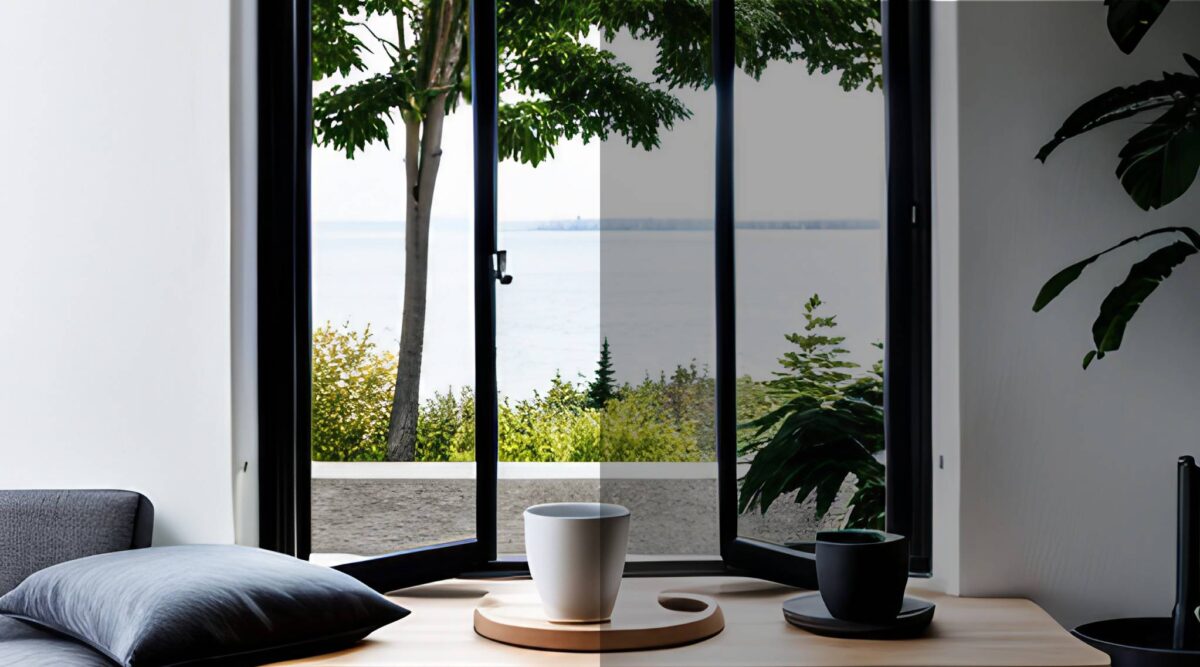
When it comes to improving home comfort and energy efficiency, choosing the right window film can make all the difference. Home window films are a practical solution for reducing heat and glare, while also adding a touch of style to your windows. This expert guide will help you find the best home window film for heat rejection, ensuring your living space remains cool, comfortable, and visually appealing.

Window films are thin layers of polyester or other materials applied to glass surfaces. They are designed to reflect or absorb solar heat, reduce glare, and offer insulation. With various types available, selecting the right window film depends on your specific needs, such as the level of heat rejection you desire, aesthetics, and budget.
Types of Window Films
- Reflective Films: These films are coated with a thin layer of metal that reflects solar radiation, offering excellent heat rejection. They are ideal for homes in sunny climates but may slightly alter the appearance of your windows from the outside.
- Dyed Films: These films absorb solar heat and reduce glare without altering the window’s outward appearance. While less effective at heat rejection than reflective films, they offer enhanced privacy.
- Ceramic Films: Made from ceramic particles, these films provide excellent heat rejection and glare reduction without interfering with visibility. They are a premium option for homeowners seeking top-notch performance.
- Dual Reflective Films: These combine reflective and non-reflective elements to provide excellent heat rejection while maintaining visibility from the inside looking out.
Benefits of Window Films
Installing window films offers numerous benefits beyond just heat rejection. Here’s why they are a smart investment for your home:
Energy Efficiency
Window films can significantly reduce your home’s energy consumption by minimizing the need for air conditioning. By blocking a substantial amount of solar heat, they keep your interiors cooler, leading to lower energy bills.
UV Protection
Harmful UV rays can fade furniture, carpets, and artwork. Window films block up to 99% of UV rays, protecting your home’s interiors and extending the life of your belongings.
Enhanced Privacy

Window films can increase your home’s privacy by making it difficult for outsiders to see inside during the day. This is particularly beneficial for homes with large windows or those situated close to neighbors.
Glare Reduction
Excessive glare can be a nuisance, especially when watching TV or working on a computer. Window films reduce glare, enhancing comfort and productivity in your home.
Aesthetic Appeal
Window films come in various tints and designs, allowing you to enhance the visual appeal of your home’s exterior and interior.
Choosing the Best Home Window Film for Heat Rejection
Selecting the right window film involves considering several factors to ensure it meets your specific needs. Here’s a step-by-step guide to help you make an informed decision:
Determine Your Needs
Identify what you want from a window film. Is your primary goal heat rejection, privacy, glare reduction, or all of the above? Knowing your priorities will guide you in selecting the most suitable film.
Evaluate Film Performance
When comparing window films, pay attention to their performance metrics, such as:
- Solar Heat Gain Coefficient (SHGC): Measures how much solar heat a film blocks. A lower SHGC indicates better heat rejection.
- Visible Light Transmission (VLT): Indicates how much light a film allows through. Balance your need for natural light with glare reduction.
- Ultraviolet (UV) Rejection: Look for films with high UV rejection rates for maximum protection.
Consider Aesthetic Preferences
Choose a film that complements your home’s design. Reflective films offer a modern look, while dyed films maintain a natural appearance. Ceramic films are almost invisible, making them suitable for those who prefer an unobtrusive solution.
Professional Installation vs. DIY

by Sonia Dauer (https://unsplash.com/@stereosonya)
While DIY installation kits are available, professional installation ensures optimal performance and longevity. Professionals have the expertise to apply films without bubbles or creases, and they can recommend the best film for your windows.
Budget Considerations
Window films are available at various price points. While it may be tempting to opt for the cheapest option, investing in high-quality films can provide better performance and durability in the long run.
Top Recommendations for Home Window Films
To help you get started, here are some top-rated window films known for their heat rejection capabilities:
- 3M Prestige Series: These films use non-metalized, multilayer optical film technology to provide excellent heat rejection without altering the appearance of your windows.
- LLumar Dual Reflective Films: Known for their superior heat rejection and reduced nighttime reflectivity, these films offer the best of both worlds.
- Hüper Optik Ceramic Series: Made from high-performance ceramic, these films offer top-tier heat rejection and clarity.
- Gila Heat Control Platinum: A budget-friendly option that provides significant heat rejection and UV protection.
Conclusion
Window films are a smart and stylish solution for enhancing your home’s energy efficiency and comfort. By choosing the best home window film for heat rejection, you can enjoy cooler interiors, lower energy bills, and a more comfortable living environment. Whether you’re an interior designer looking to add value for your clients or a homeowner seeking to improve your space, the right window film can be a game-changer.
Incorporating window films into your home improvement plan is an investment in comfort, aesthetics, and sustainability. Be sure to consult with a professional installer to maximize the benefits and longevity of your chosen film. Enjoy the perfect balance of style and function with high-quality window films today!“`