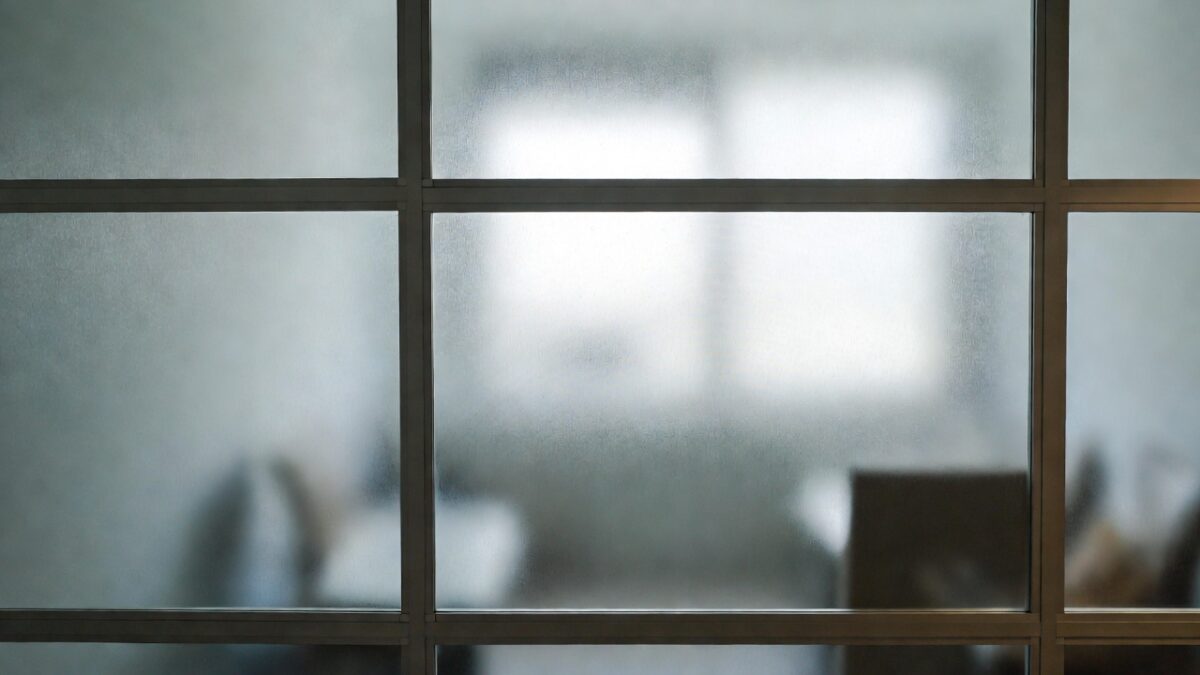
In today’s modern office environment, creating a space that is both functional and aesthetically pleasing can be quite the balancing act. Glass films offer a versatile solution, providing privacy, reducing glare, and enhancing the overall look of your office. They serve not only as decorative elements but also as practical solutions to everyday office challenges. But with so many options available, how do you decide on the best glass film for your office?
As an expert in home improvement solutions, I’m here to share insights on choosing the right glass film for your office needs. We’ll explore various types of glass films, their benefits, and how they can align with your design goals. From enhancing privacy to improving energy efficiency, each type of glass film offers unique advantages that can transform your office into a more productive and comfortable space.
Glass privacy film is an adhesive material applied to glass surfaces to create a sense of privacy while still allowing light to pass through. This makes it an ideal choice for office settings where privacy is necessary without compromising on natural light. By using glass privacy films, businesses can maintain an open and bright environment while ensuring that sensitive information is kept confidential.
- Enhanced Privacy: Glass privacy film obscures the view from outside while maintaining a bright and open feel inside the office. It allows employees to work without the distraction of external views, fostering a more focused and private work environment.
- Aesthetic Appeal: Available in various designs, patterns, and textures, these films add a decorative element to your space. They can be customized to match the branding and aesthetic style of the company, making them a versatile option for any office decor.
- Energy Efficiency: By reducing glare and blocking harmful UV rays, glass films help maintain a comfortable indoor temperature, potentially lowering energy costs. The reflective properties of some films can also enhance natural light, reducing the need for artificial lighting.
There are several types of glass films to consider, each offering unique benefits. The right choice depends on your specific needs, such as privacy, aesthetics, or energy efficiency. Understanding the different types can help you select the most suitable option for your office environment.
Frosted glass film is one of the most popular choices for offices. It provides a sandblasted or etched glass look without the cost, offering privacy without sacrificing light. This type of film is particularly effective for creating private spaces within open-plan offices, where maintaining a sense of openness is crucial.
- Applications: Ideal for conference rooms, office partitions, or any area requiring discretion. Its versatility makes it suitable for various office layouts, from traditional closed offices to modern open spaces.
- Design Options: Available in various patterns and custom designs, frosted glass film can be tailored to match company branding or office decor. This customization allows businesses to incorporate logos or specific design elements, reinforcing brand identity within the office space.
Decorative glass film is perfect for adding a creative touch to your office space. With limitless design possibilities, you can transform ordinary glass into a work of art. This type of film is ideal for companies looking to make a bold statement or create a unique and engaging office environment.
- Applications: Used in lobbies, reception areas, and meeting rooms to create a memorable impression. Decorative films can serve as conversation starters and enhance the overall ambiance of the office.
- Customization: Choose from pre-designed patterns or create a custom look that aligns with your brand’s image. The ability to create bespoke designs ensures that the film is not only functional but also an integral part of the office’s visual identity.
Solar control film is designed to reduce heat and glare from the sun, improving comfort and reducing energy consumption. This type of film is particularly beneficial for offices with large windows or those located in sunny climates, where heat and glare can be significant issues.
- Applications: Best suited for windows exposed to direct sunlight, helping to maintain a consistent temperature inside the office. It can also protect sensitive equipment and reduce the fading of interior furnishings caused by UV exposure.
- Environmental Benefits: By blocking UV rays, these films protect furniture and interiors from fading. They also contribute to a building’s energy efficiency, reducing the need for air conditioning and lowering energy bills.
When selecting the best glass film for your office, consider the following factors. Each factor plays a crucial role in ensuring that the chosen film meets your specific needs and enhances your office environment.
Determine the primary goal for installing the film. Is it to enhance privacy, improve aesthetics, or increase energy efficiency? Understanding your priorities will guide you in choosing the right type of film. Consider the specific challenges your office faces and how the film can address these issues effectively.
Consider the overall design of your office space. The glass film should complement existing decor and enhance the visual appeal of the environment. Analyze the color schemes, furniture styles, and architectural elements of your office to ensure the film aligns with these aspects, creating a cohesive and harmonious space.
Glass films come in a range of prices, depending on the type and complexity of the design. Establish a budget that reflects the value you expect from the film, balancing cost with performance. Consider the long-term savings on energy bills and the added value of enhanced privacy and aesthetics when setting your budget.
Professional installation ensures a flawless finish and longevity of the film. Additionally, consider the ease of maintenance, as some films require more care than others. A well-installed film not only looks better but also performs more effectively, making professional installation a worthwhile investment.
Installing glass film is a precise process that requires skill and attention to detail. Here’s an overview of what you can expect. Proper installation is crucial for the film to function correctly and look its best.
- Site Assessment: A professional installer will evaluate your space to recommend the best film options based on your requirements. This assessment ensures that the selected film meets your specific needs and is suitable for the intended application.
- Preparation: The glass surface is thoroughly cleaned to ensure a smooth application. Any residue or dirt on the glass can affect the adhesion and appearance of the film, making thorough preparation essential.
- Application: The film is carefully applied to the glass, with any bubbles or imperfections smoothed out. This step requires precision to ensure that the film adheres properly and looks flawless.
- Finishing Touches: Edges are trimmed, and the film is inspected to ensure a seamless finish. The final inspection ensures that the film meets quality standards and is ready for long-term use.
To keep your glass film looking its best, regular maintenance is essential. Proper care can extend the life of the film and maintain its appearance.
- Regular Cleaning: Use a soft cloth and mild detergent to clean the film. Avoid abrasive materials that could damage the surface. Regular cleaning prevents the buildup of dirt and grime, keeping the film clear and attractive.
- Avoid Harsh Chemicals: Strong chemicals can degrade the film over time. Stick to gentle cleaning solutions. Using appropriate cleaning products ensures that the film remains intact and performs as intended.
Choosing the best glass film for your office is a strategic decision that can significantly impact the functionality and appearance of your space. Whether you’re looking for privacy, energy efficiency, or a decorative element, there’s a glass film solution to meet your needs. By carefully considering your office’s specific requirements and the various types of films available, you can make an informed decision that enhances your workspace.
By understanding the different types of films and their benefits, you can make an informed choice that enhances your office environment, aligns with your design goals, and offers lasting value. The right glass film not only improves the look and feel of your office but also contributes to a more productive and comfortable work environment.
Remember, investing in professional installation and regular maintenance ensures that your glass film remains a valuable asset to your office for years to come. Reach out to a trusted provider to explore the options available and transform your office space today. By doing so, you’ll create a workspace that reflects your company’s values and supports your employees’ needs effectively.