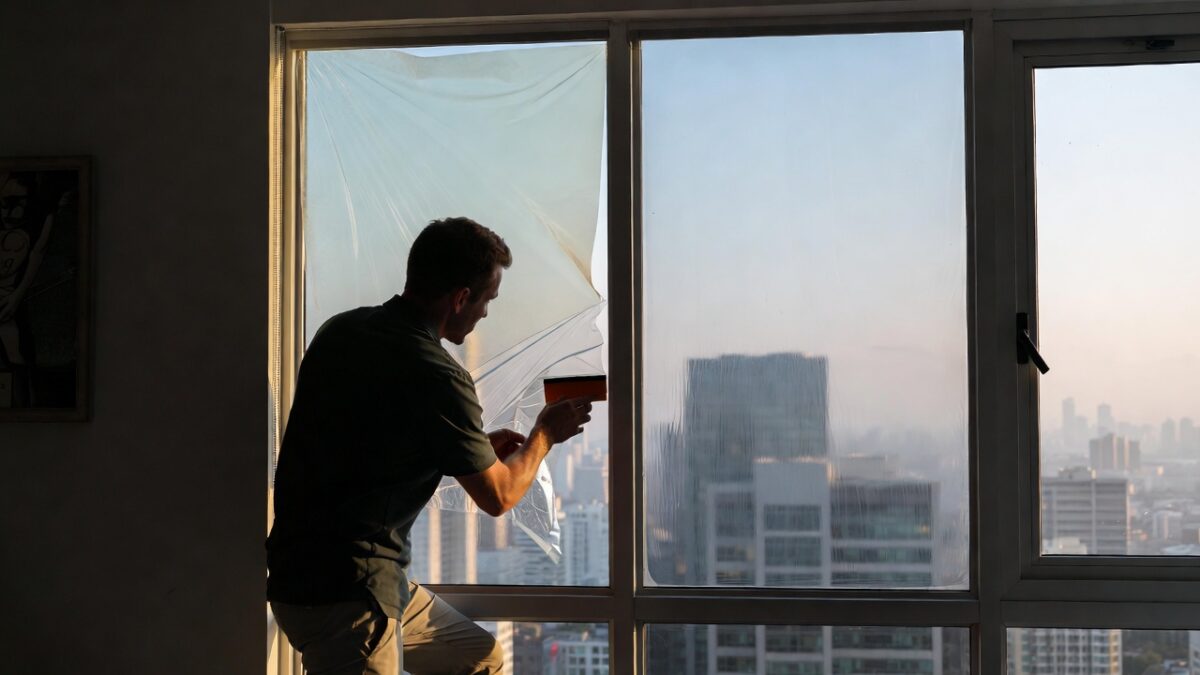

Window tint films are thin laminate films that can be installed on the interior or exterior of glass surfaces in homes. These films come in a variety of shades and materials, each serving different purposes. From enhancing privacy to blocking harmful UV rays, window tint films are a versatile home improvement solution. They are not only functional but also add an aesthetic element to your windows, enhancing your home’s curb appeal. Additionally, window tint films can also protect your furniture and flooring from fading due to prolonged exposure to sunlight.
Types of Window Tint Films
Understanding the different types of window tint films is crucial to selecting the right one for your home. Each type offers unique benefits, and your choice should align with what matters most to you, whether that’s privacy, UV protection, or cost-effectiveness. Here are some common types you should consider:
Dyed Window Film
Dyed window film is the most economical option available in the market. It absorbs sunlight and reduces glare, making it a practical choice for homeowners seeking a budget-friendly solution. If you’re looking for a cost-effective way to add a bit of privacy and aesthetic appeal to your home, dyed window film might be your best bet. However, it’s important to note that this type of film doesn’t offer much in the way of UV protection or heat reduction, which could be a significant consideration depending on your climate.
Metalized Window Film
Metalized window film contains tiny metallic particles that reflect heat and light, making it a robust option for those seeking energy efficiency. This type of film is known for its durability and effectiveness in blocking UV rays, which helps in preserving your interiors. It offers greater heat reduction than dyed films, making it ideal for homes in hot climates. However, one downside is that it can interfere with electronic devices due to its metallic content, potentially causing issues with cell phone and Wi-Fi signals.
Ceramic Window Film
Ceramic window film is a premium option that uses advanced ceramic-based technology. It blocks up to 99% of UV rays and offers excellent heat reduction while maintaining clear visibility, a feature that sets it apart from other films. It doesn’t interfere with electronic signals, making it a superior choice for modern homes equipped with numerous electronic devices. Although it is more expensive, its benefits often outweigh the costs, offering long-term savings on energy bills and providing superior protection against sun damage.

Hybrid Window Film
Hybrid window films combine dyed and metalized films, offering the benefits of both types. They reduce glare and heat without the reflective appearance associated with metalized films, providing a more subdued aesthetic. This type is a balanced choice for those looking to gain multiple benefits without compromising on appearance. The hybrid nature of this film allows you to enjoy enhanced privacy and moderate UV protection while maintaining an elegant look for your windows.
Carbon Window Film
Carbon window film is known for its matte finish, which provides a sleek and sophisticated look. It blocks a significant amount of UV rays and heat, thus helping reduce energy costs and protecting your home’s interior. Its non-reflective appearance is ideal for those concerned with aesthetics, offering a modern and understated look. Additionally, carbon films do not fade over time, maintaining their effectiveness and appearance longer than some other types.
Comparing Window Tint Films
When comparing window tint films, several key factors should be considered to ensure you choose the right one for your home. These factors include UV protection, heat reduction, privacy, cost, and appearance. Understanding these aspects will help you prioritize what matters most in your specific situation, ensuring you select a film that meets all your needs.
UV Protection
- Best Choice: Ceramic and carbon films are top performers in UV protection, offering maximum shielding from harmful rays.
- Consideration: Dyed films offer minimal UV protection, which might not suffice if you live in a region with intense sunlight.
Heat Reduction
- Best Choice: Metalized and ceramic films provide excellent heat reduction, significantly contributing to lower energy costs.
- Consideration: Dyed films are less effective in reducing heat, which could lead to higher cooling expenses during summer months.
Privacy
- Best Choice: Dyed and hybrid films offer enhanced privacy without sacrificing light entry.
- Consideration: Films that are more transparent may not provide as much privacy, which could be a concern in densely populated neighborhoods.
Cost
- Best Choice: Dyed films are the most budget-friendly, making them an attractive option for cost-conscious homeowners.
- Consideration: Ceramic films, while pricier, offer advanced technology and benefits that might justify the initial investment.
Appearance
- Best Choice: Carbon films provide a modern, matte finish without the unwanted shine, seamlessly blending with contemporary interiors.
- Consideration: Metalized films may have a reflective, shiny appearance, which might not appeal to everyone.

by Hc Digital (https://unsplash.com/@hcdigital)
Choosing the Best Window Tint for Your Home
Selecting the right window tint film depends on your specific needs and preferences. Here are some comprehensive tips to help you choose the most suitable option for your home:
Evaluate Your Needs
Begin by considering what you value most in a window film—be it privacy, UV protection, or energy efficiency. If reducing energy bills is your priority, opt for films that offer superior heat reduction. Additionally, if your home is in a particularly sunny area, focus on UV protection to preserve your interiors.
Consult with Professionals
Engage with a professional window tint installer who can provide tailored recommendations based on your home’s design and orientation. Their expertise can help you make the best choice, taking into account factors such as window size, direction, and local climate. A professional assessment can ensure that you maximize the benefits of your chosen film.
Consider Aesthetics
If the appearance is a significant factor for you, decide whether you prefer a reflective or matte finish. Films like carbon offer a sleek look that blends well with modern interiors, while metalized films may provide a more traditional, shiny appearance. Consider how the film will complement your home’s overall design.
Assess Long-term Benefits
While ceramic films may have a higher initial cost, their long-term benefits in UV protection and heat reduction might save you more in the long run. Investing in a high-quality film can lead to significant savings on energy bills and reduce the need for frequent replacements.
Installing Window Tint Films
Once you’ve selected the best window tint film, proper installation is key to maximizing its benefits. While DIY options exist for those who are handy, professional installation is highly recommended for the best results. Professionals ensure that the film is applied smoothly without bubbles or creases, which can affect both performance and aesthetics. They have the tools and expertise to handle large sheets of film and complex window shapes, ensuring a perfect fit and finish.
Conclusion
Window tint films are a smart investment for any homeowner looking to enhance comfort, privacy, and energy efficiency. By understanding the different types of films and their respective benefits, you can select the best option to meet your needs. Whether you’re an interior designer seeking to provide clients with stylish solutions or a homeowner aiming to reduce energy costs, the right window tint film can make a significant impact. Incorporate window tint films into your home improvement plans and enjoy the benefits of a more comfortable, cost-effective, and aesthetically pleasing living space. Investing in window tint films is not just about immediate gains; it’s about creating a sustainable and stylish home environment for years to come.