When it comes to enhancing your home’s privacy, energy efficiency, and aesthetic appeal, household window tinting is an often-overlooked solution. As a cost-effective method to upgrade your living space, window tints offer a range of benefits that cater to both style and functionality. In this article, we’ll explore innovative ideas for using window tinting in your home, the advantages they offer, and how you can implement these solutions yourself.

Household window tinting provides numerous advantages that can significantly improve your home environment. Here are some key benefits:
- Privacy Enhancement: Window tints can provide varying levels of privacy, making it difficult for outsiders to see in while still allowing you to enjoy the view outside.
- Energy Efficiency: By blocking out a portion of the sun’s heat, window films can help maintain a comfortable indoor temperature, reducing the need for air conditioning and lowering energy bills.
- UV Protection: Tints protect your furniture, flooring, and artwork from fading by blocking harmful UV rays.
- Glare Reduction: Window films can reduce glare on screens and reflective surfaces, making it easier to enjoy natural light without the discomfort.
- Aesthetic Appeal: With a variety of styles and colors available, window tints can complement your home’s design while adding a modern touch.
Innovative Ideas for Using Window Tint
DIY Window Tint Projects

For those who enjoy a hands-on approach, DIY window tinting can be a rewarding project. Here are some ideas to consider:
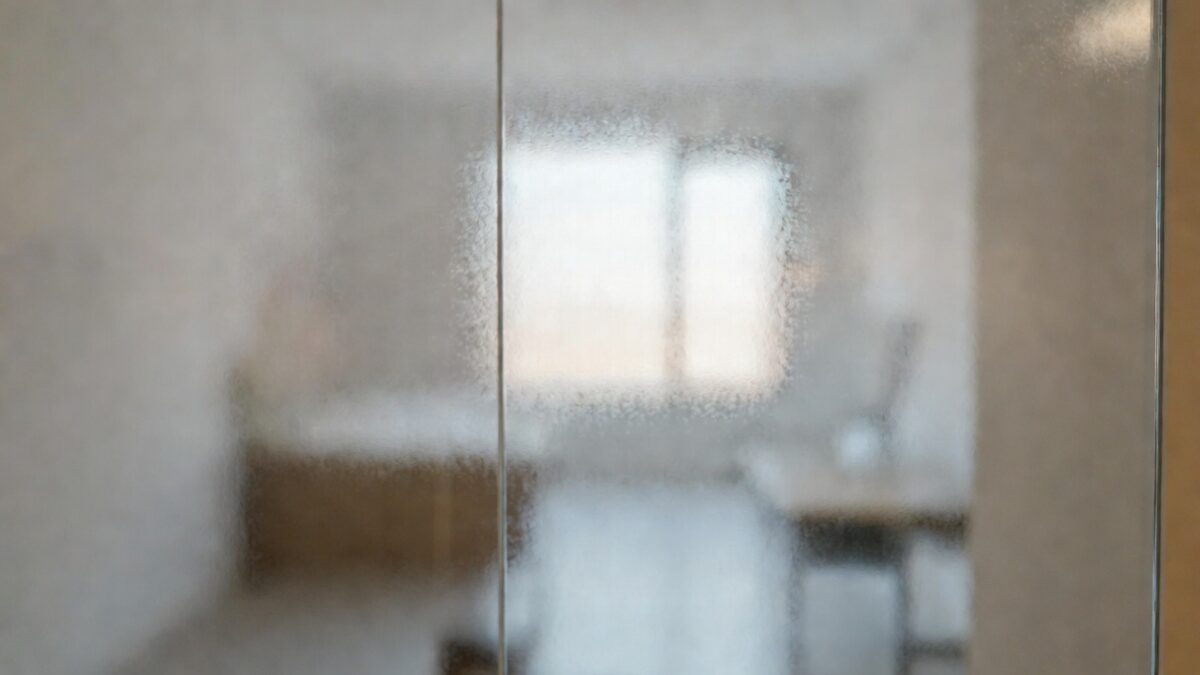
- Frosted Glass Effect: Apply frosted window film to bathroom windows or shower doors for enhanced privacy while maintaining light transmission.
- Patterned Films: Add a decorative touch to your windows with patterned films that mimic the look of stained glass or etched designs.
- Gradient Tints: Create a modern look with gradient tints that transition from clear to opaque, offering both style and privacy.
Privacy Window Films for Specific Rooms
Privacy is a significant concern for many homeowners, and window films can be tailored to meet specific needs:
- Bedrooms: Use dark or mirrored tints to ensure privacy in bedrooms without sacrificing style.
- Home Offices: Consider installing glare-reducing films in your home office to improve screen visibility and comfort during work hours.
- Living Rooms: Opt for a lightly tinted film that balances privacy with natural light, creating a cozy yet open atmosphere.
Energy-Saving Solutions
Window tints are an eco-friendly solution for those looking to improve their home’s energy efficiency:
- Solar Control Films: Invest in solar control films to block excess heat and reduce cooling costs during hot months.
- Insulating Films: Use insulating films during winter to retain heat and lower heating expenses, ensuring year-round comfort and savings.
Choosing the Right Window Tint
Selecting the right window tint involves considering both your aesthetic preferences and functional needs. Here are some factors to keep in mind:
Tint Types and Styles

by Danist Soh (https://unsplash.com/@danist07)
- Reflective Tints: Ideal for privacy and heat rejection, these films have a mirrored appearance from the outside.
- Non-Reflective Tints: These offer a subtle finish and are perfect for those who prefer a more understated look.
- Dual-Reflective Films: Designed to provide privacy and heat reduction while maintaining a clear view from the inside.
- Decorative Films: Available in a variety of patterns and colors, decorative films add a unique touch to your windows.
Film Performance
Consider the following performance aspects when choosing a window tint:
- Visible Light Transmission (VLT): This indicates how much light passes through the film. Lower VLT values mean less light enters the room.
- Ultraviolet (UV) Rejection: Look for films that block at least 99% of UV rays to protect your interiors.
- Shading Coefficient: This measures the film’s ability to block heat. A lower shading coefficient indicates better heat rejection.
Installation Tips
Whether you’re opting for a DIY project or professional installation, here are some tips to ensure a smooth process:
DIY Installation
- Measure Accurately: Measure your windows carefully to ensure you purchase the correct amount of film.
- Clean Thoroughly: Clean the windows meticulously to remove any dust or debris that could affect adhesion.
- Apply with Care: Use a squeegee to apply the film smoothly, removing air bubbles as you go.
Professional Installation
For larger projects or complex designs, consider hiring a professional installer:
- Expertise: Professionals have the experience and tools to ensure a flawless finish.
- Warranty: Many professional installations come with warranties, providing peace of mind.
- Efficiency: Save time and avoid the hassle of potential errors with a skilled installer.
Conclusion
Household window tinting is an innovative solution that offers both aesthetic and practical benefits. By exploring various tinting options and considering your specific needs, you can transform your home into a more comfortable, efficient, and stylish space. Whether you choose a DIY approach or enlist professional help, window films are an investment that can enhance your living environment for years to come.
Consider your home’s unique requirements and explore the wide array of tinting solutions available to create a space that reflects your style and meets your functional needs. With these insights, you’re well on your way to discovering the perfect window tint for your home.