When it comes to enhancing commercial spaces, window tinting is an often-overlooked solution that offers a myriad of benefits. From reducing energy costs to improving privacy, the advantages of commercial window tinting are significant. However, understanding the costs involved is crucial for businesses and interior designers alike. In this article, we will explore the best features of the cost of commercial window tinting, providing insights that can help you make an informed decision.

Before diving into the features, it’s essential to grasp the basics of window tinting prices. The cost of commercial window tinting can vary depending on several factors, including the type of film, the size of the windows, and the complexity of the installation. Each of these factors contributes to the overall expense, and understanding them can help in making budget-friendly decisions while achieving the desired outcomes.
Type of Window Film
There are various types of window films available, each offering different benefits. The choice of film can significantly influence the cost, as specialized films often come with higher price tags due to their specific functionalities. Here are a few common types:
- Solar Control Films: These films are designed to reduce heat gain and glare, improving comfort and energy efficiency. They are often used in office buildings to create a more pleasant work environment. By reflecting a portion of the sun’s heat, these films can significantly lower cooling costs, making them a popular choice for cost-conscious businesses.
- Security Films: As the name suggests, these films enhance the security of a building by making windows more shatter-resistant. They can deter break-ins and protect against vandalism. The peace of mind that comes with enhanced security is invaluable, and in some cases, these films can also lead to lower insurance premiums.
- Decorative Films: Ideal for aesthetic purposes, decorative films come in various patterns and designs, adding a unique touch to any commercial space. These films can be customized to fit the brand’s identity, thereby enhancing the company’s image and making the space more engaging for clients and visitors.
Size and Complexity of Installation
The size of the windows and the complexity of the installation process also play a role in determining the cost of window tinting. Larger windows require more film, which can increase the price, but they also offer more opportunities for energy savings. Additionally, windows with irregular shapes or those located in hard-to-reach areas may require specialized installation, impacting the overall cost. Custom installations may involve tailored solutions that ensure optimal performance and aesthetics, but these can incur additional labor charges.
Cost of Commercial Window Tinting

Understanding the cost structure of commercial window tinting is essential for budgeting and planning. It helps to break down the costs into manageable components, ensuring that all potential expenses are accounted for. Here are some of the key cost components:
Material Costs
The primary cost of window tinting comes from the film itself. High-quality films tend to be more expensive but offer better performance and longevity. Investing in a reputable brand can ensure that the film lasts longer and provides the desired benefits. The initial investment in premium materials often pays off in terms of durability and efficiency, minimizing the need for frequent replacements or repairs.
Labor Costs
Labor is another significant component of the total cost. Professional installation is recommended to ensure the film is applied correctly and without bubbles or creases. Experienced installers can also provide insights into the best film options for specific needs and ensure that the installation meets industry standards. Skilled labor ensures a flawless finish that not only looks professional but also maximizes the film’s efficacy in terms of performance and longevity.
Additional Costs
In some cases, additional costs may arise, such as the removal of old window films or the application of specialty films. It’s important to discuss all potential costs with the installer upfront to avoid surprises. These additional services, while potentially adding to the initial expense, can be crucial for ensuring a clean and effective installation. Being aware of these possibilities allows businesses to allocate their budgets more accurately.
Benefits of Commercial Window Tinting
While understanding the cost is important, it’s equally crucial to recognize the benefits that commercial window tinting can offer. These benefits often justify the investment and contribute to long-term savings and improvements in the business environment.
Energy Efficiency
One of the most significant advantages of window tinting is its ability to improve energy efficiency. By reducing heat gain, tinted windows can lower cooling costs in the summer and help maintain a consistent indoor temperature year-round. This not only reduces energy bills but also contributes to a more sustainable business environment. The energy savings can be substantial, particularly in large buildings where the cost of heating and cooling represents a major portion of operating expenses.
Enhanced Privacy
For businesses, privacy is often a top concern. Commercial window tinting can provide an added layer of privacy without compromising natural light. This is particularly beneficial for offices, conference rooms, and storefronts where discretion is essential. Enhanced privacy can lead to a more secure and comfortable working environment, fostering productivity and ensuring confidential meetings or negotiations remain private.
Improved Aesthetics
Window tinting offers a sleek, modern look that can enhance the overall appearance of a building. Decorative films, in particular, provide an opportunity to add a touch of style and personality to a space, making it more inviting and visually appealing. The aesthetic improvements can also elevate the perceived value of the property and attract more clients or tenants, making it a strategic choice for property managers and business owners alike.
Protection from UV Rays
Exposure to UV rays can cause damage to furniture, flooring, and other interior elements. Window tinting blocks a significant portion of UV rays, helping to preserve the quality and longevity of furnishings and reducing the risk of fading. This protective feature can save businesses money by extending the lifespan of interior decor and reducing the frequency of replacements or refurbishments.
Making an Informed Decision

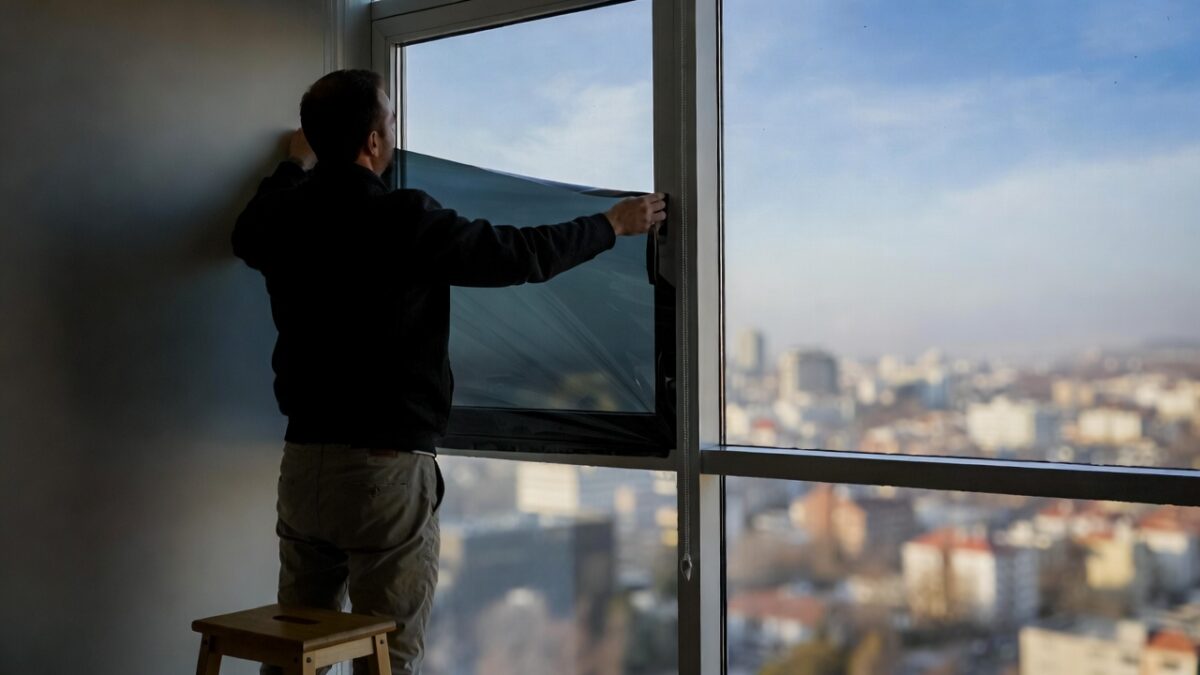
by Thanos Pal (https://unsplash.com/@thanospal)
When considering commercial window tinting, it’s important to weigh the costs against the benefits. Making an informed decision involves a careful evaluation of the specific needs and long-term goals of the business. Here are a few tips to help you make an informed decision:
Assess Your Needs
Start by assessing the specific needs of your commercial space. Are you looking to reduce energy costs, enhance privacy, or improve aesthetics? Understanding your priorities can guide you in selecting the right type of film. Consider the unique challenges and opportunities presented by your space to ensure that the chosen solution aligns with your business objectives.
Get Multiple Quotes
To ensure you’re getting the best value, consider obtaining quotes from multiple installers. This can provide a clearer picture of the market rates and help you identify the most cost-effective option. Comparing different offers also allows you to evaluate the reputation and experience of different providers, ensuring that you choose a trustworthy partner for your window tinting project.
Consider Long-Term Savings
While the initial cost of window tinting may seem significant, it’s important to consider the long-term savings. Reduced energy bills, extended lifespan of interior furnishings, and enhanced security can all contribute to a positive return on investment. Thinking about the future benefits can help justify the upfront expenditure and underscore the strategic value of window tinting as a long-term enhancement to your commercial property.
Conclusion
Commercial window tinting offers a range of benefits that can transform a business environment. By understanding the costs involved and assessing the unique needs of your space, you can make a well-informed decision that enhances both the functionality and aesthetics of your commercial property. Whether you’re an interior designer seeking to provide eco-friendly solutions to clients or a business owner looking to improve your building’s efficiency and appearance, window tinting is a valuable investment worth considering. The right window tinting solution can lead to significant improvements in energy efficiency, security, and aesthetic appeal, positioning your business for success in a competitive market.