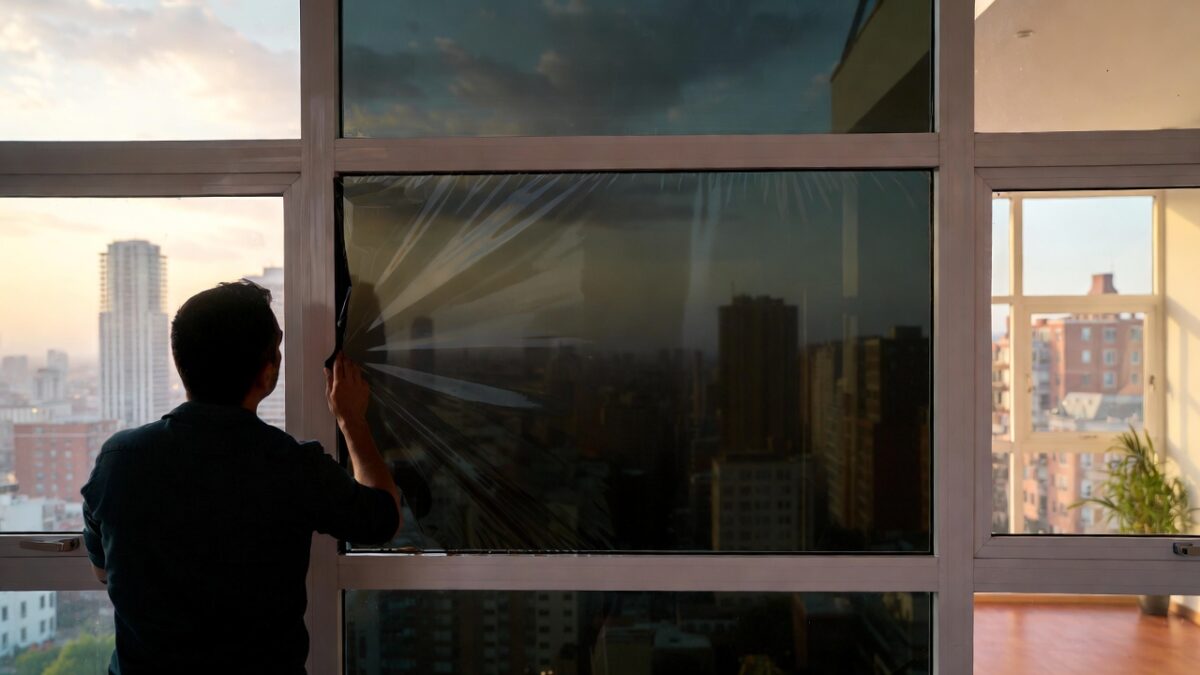

The cost of residential window tinting can vary significantly based on several factors. Understanding these elements can help you make an informed decision and ensure you get the best value for your investment. By comprehending the nuances of these factors, you can better navigate the market and avoid overpaying for services or materials. Moreover, having a clear picture of the cost elements helps in setting a realistic budget for your window tinting project.
Factors Influencing Window Tint Cost
- Type of Film: There are various types of window films available, each designed to serve different purposes. Decorative films, solar control films, and security films all come at different price points. The choice of film will largely depend on your specific needs and preferences. Decorative films might add a unique flair to your interiors, while solar control films are perfect for those who prioritize energy efficiency. Security films, on the other hand, are ideal for enhancing safety and can be a wise investment for homes in areas prone to break-ins or extreme weather conditions.
- Window Size and Quantity: Naturally, the size and number of windows in your home will impact the overall cost. Larger windows or a higher number of windows will require more film and labor, increasing the total expense. It’s essential to take precise measurements of your windows to ensure accurate cost estimates. Additionally, considering window placement can be crucial, as some windows might need specialized films due to their exposure to sunlight or for privacy reasons.
- Installation Complexity: Some windows may be easier to tint than others. For instance, windows with unusual shapes or those located in hard-to-reach areas may require more time and expertise, thereby increasing the cost of installation. The architectural design of your home can significantly influence installation complexity. Homes with vaulted ceilings or high-rise apartments might also incur additional costs due to the need for special equipment.
- Quality of Film: Higher quality films that offer better durability and performance will generally cost more. However, investing in a premium film can be worthwhile in the long run due to its enhanced longevity and effectiveness. Premium films often come with extended warranties and better resistance to wear and tear, making them a cost-effective choice over time. It’s important to balance upfront costs with potential long-term savings when considering film quality.
- Professional Installation: While DIY kits are available, professional installation ensures a flawless finish and optimal performance. Professional services may cost more upfront, but they can save you time and potential headaches. Experienced installers can also provide expert advice on film selection and maintenance, further enhancing the value of your investment. Additionally, professional installation may include warranties on both the film and the labor, offering added peace of mind.
Average Costs
On average, homeowners can expect to pay between $5 to $15 per square foot for window tinting, including materials and labor. However, this range can vary based on the aforementioned factors. It’s always a good idea to get quotes from multiple providers to find the best price and service for your needs. Comparing quotes also allows you to assess the quality of service and materials different providers offer. Remember, the cheapest option may not always be the best, as it could compromise on film quality or installation expertise.
Benefits of Home Window Tint

Residential window tinting is not just about aesthetics; it offers a host of practical benefits that can enhance your living space. These benefits extend beyond mere appearance and delve into areas of comfort, protection, and cost savings. By understanding these advantages, homeowners can make a more informed decision about the value that window tinting can add to their residences.
Energy Efficiency
One of the most significant advantages of window tinting is its ability to improve energy efficiency. Tinted windows can reduce heat gain in the summer and heat loss in the winter, helping to maintain a comfortable indoor temperature year-round. This can lead to lower energy bills, making window tinting a cost-effective solution for energy-conscious homeowners. Additionally, by reducing reliance on heating and cooling systems, window tinting can contribute to a reduced carbon footprint, aligning with sustainable living practices.
UV Protection
Window films can block up to 99% of harmful UV rays, protecting your family and preventing furniture, flooring, and artwork from fading. This protection helps preserve the beauty and longevity of your interior decor. Over time, UV exposure can cause significant damage to furnishings and materials, leading to costly replacements. By investing in window tinting, you safeguard your interior investments and maintain their aesthetic appeal for years to come.
Enhanced Privacy and Security
Window tinting can add an extra layer of privacy to your home without sacrificing natural light. Certain films are designed to make it more challenging for outsiders to see inside, offering peace of mind. Additionally, security films can strengthen glass, making it harder to shatter and deterring potential break-ins. This added layer of protection is especially beneficial for ground-floor windows or homes in densely populated areas, where privacy and security are paramount concerns.
Glare Reduction
Excessive glare from the sun can be a nuisance, especially when watching TV or working on a computer. Window tinting can significantly reduce glare, enhancing comfort and productivity in your home. By minimizing glare, window tinting creates a more pleasant indoor environment, allowing you to enjoy natural light without the accompanying discomfort. This can be particularly beneficial in home offices or media rooms, where screen visibility is crucial.
Choosing the Right Window Tint
Selecting the right window tint involves considering your specific needs, preferences, and budget. This decision-making process is crucial to ensure that you achieve the desired benefits while also complementing your home’s style. By taking a strategic approach to choosing window tint, you can maximize its functional and aesthetic advantages.
Assess Your Needs
Begin by identifying what you want to achieve with window tinting. Are you primarily interested in energy savings, UV protection, privacy, or aesthetics? This will guide you in choosing the most suitable type of film. Consider the specific challenges your home faces, such as excessive sunlight, privacy concerns, or security needs. Tailoring your choice to these challenges ensures that you select a film that effectively addresses your priorities.
Consult a Professional

by Edith Hulcoop (https://unsplash.com/@sunbug2020)
While DIY options exist, consulting a professional can provide valuable insights into the best products and installation techniques for your home. Professionals can also help you understand the different types of films available and recommend the most effective solution based on your needs. Their expertise can be invaluable in navigating the wide array of options and ensuring that you make a well-informed choice. Moreover, professional consultations often include an assessment of your home’s unique characteristics, leading to a more customized solution.
Consider Longevity and Warranty
When comparing different window films, consider their durability and the length of the warranty offered. A longer warranty can provide peace of mind and assurance of quality. Warranties often cover issues such as bubbling, peeling, or discoloration, which can affect the performance and appearance of the film. Opting for a product with a robust warranty can save you from unexpected costs and ensure that your investment is protected over time.
Evaluate Aesthetic Appeal
Finally, consider the visual impact of the window tint. Some films are virtually invisible, while others offer decorative patterns or shades. Choose a style that complements your home’s design and enhances its overall aesthetic appeal. The right tint can accentuate your home’s architectural features and even enhance curb appeal. Whether you prefer a subtle, understated look or a bold, decorative pattern, there’s a tint option to match your aesthetic vision.
Conclusion
Residential window tinting is a versatile and beneficial upgrade for any home. By understanding the factors that influence window tint cost, you can make an informed decision that fits your budget and meets your needs. Whether you’re seeking energy efficiency, UV protection, privacy, or aesthetic enhancement, window tinting offers a solution that can transform your living space. The diverse range of tint options ensures that there’s a suitable choice for every homeowner’s unique requirements.
Investing in professional installation ensures that you achieve the best results, providing a polished finish that enhances your home’s value and comfort. With the right window tinting solution, you can enjoy a stylish, efficient, and secure home environment for years to come. Professional expertise not only guarantees a flawless application but also enhances the longevity and performance of the tint, making it a worthwhile investment in your home’s future.