Categories
Window Tinting and Window Films

What Are Window Films? A Straightforward Guide for Toronto Homes and Businesses

Window films are one of the most searched window upgrades in Toronto and the GTA. People search for window films when their home feels too hot, glare makes screens annoying, privacy feels gone at night, or floors and furniture start fading way too fast.

If you typed “window films Toronto” into Google, you are probably trying to fix a real problem, not just change how your windows look. This guide explains what window films are, how they work, and why homeowners, condo owners, business owners, and property managers across Toronto keep choosing them instead of replacing windows.

This is written for real buildings in the GTA. Condos downtown. Homes in Scarborough and Etobicoke. Offices in North York and Vaughan. Shops along Queen, Danforth, and Yonge. No hype here. Just clear info based on what actually happens.

What Are Window Films and How Do They Work?

Window films are thin layers applied directly to glass. They change how heat, light, and UV rays move through the window. The glass stays in place. The performance changes.

Most window films are installed on the inside of the glass. Once applied, the film reflects or absorbs part of the sun’s energy before it enters the room. That simple change can make rooms feel cooler, reduce glare, protect interiors, and improve privacy.

In Toronto and the GTA, people use window films for a few main reasons:

  • Rooms get too hot in summer
  • Glare makes TVs and laptops hard to use
  • Privacy feels gone at night
  • Hardwood floors and furniture fade
  • Glass doors feel unsafe

Window films are not paint or spray coatings. They are built in layers. Each layer does something different. Some layers reflect heat. Some block UV. Some control light. Some help hold glass together if it breaks.

If you want a simple overview of film types and uses, this page is a good place to start: window films.

Why Window Films Are Popular in Toronto and the GTA

Toronto buildings deal with rough conditions. Hot summers. Cold winters. Strong sun angles in spring and fall. Many homes and condos were not built for large glass areas facing direct sunlight.

Downtown condos often have floor-to-ceiling windows facing west or south. Homes in Scarborough and Etobicoke have big front windows with no shade. Offices in North York and Vaughan get hit with glare almost every afternoon.

Window films help control these issues without ripping out windows.

Example from CityPlace. A condo owner had a living room that stayed about 4 degrees hotter than the rest of the unit all summer. After installing solar window films, the room cooled enough to sit in again. Curtains stayed open. The AC didn’t work as hard.

Another example comes from a detached home in Pickering. The owner noticed hardwood floors fading near sliding doors. After installing UV-blocking window films, the fading slowed and the room still felt bright.

Natural Resources Canada explains why windows are a major source of heat gain and loss in Canadian buildings. This helps explain why window films work so well here: ENERGY STAR windows and efficiency.

Common Types of Window Films Used Locally

Not all window films do the same job. The right film depends on the problem you want to fix.

Solar window films focus on heat and glare. They reduce solar heat entering a room and help keep temperatures more even. These are common in condos, offices, and homes with strong sun exposure. A practical breakdown is here: heat blocking and UV protection with solar film.

Privacy window films limit visibility. Frosted and patterned films work day and night. Reflective films give daytime privacy but change at night when lights are on. A full guide is here: privacy window film options.

Security window films help hold broken glass together. They do not make glass unbreakable, but they slow entry and reduce flying shards. This matters for storefronts and glass doors. Learn more here: security window films.

UV-blocking window films protect interiors. They block most UV rays that cause fading. These are popular in homes with hardwood floors and retail stores with window displays.

How Window Films Perform After Installation

Once installed, window films start working right away. Performance improves as the adhesive cures.

The process is simple:

  • Sun hits the glass
  • The film reflects or absorbs part of that energy
  • Less heat enters the room
  • Glare drops and comfort improves

Some films are almost clear and focus on heat and UV control. Others are darker or reflective and focus more on glare and privacy. Frosted films block views while keeping light.

In winter, window films help reduce cold drafts near windows. They do not replace insulation, but many Toronto homeowners notice rooms feel less chilly near glass.

Film choice must match the glass type. Double-pane and Low-E glass need specific films. Using the wrong film can stress window seals. This guide explains what affects film choice: key considerations when installing window films.

Problems Window Films Solve Every Day

Most people search for window films because something feels off.

Heat is the biggest issue. South- and west-facing rooms get hammered by sun. Solar window films reduce heat buildup and make rooms usable again.

Glare causes eye strain and makes screens hard to see. Window films cut glare without making rooms dark.

UV damage shows up slowly. Floors fade. Furniture discolours. Displays bleach unevenly. Window films block most UV rays and slow this damage. Health Canada explains UV exposure clearly here: UV index and sun safety.

Privacy becomes a problem at night. Condos and ground-level homes feel exposed. Privacy window films solve this while keeping daylight.

Case Study: Small Restaurant in Leslieville

A small restaurant in Leslieville had large front windows. Afternoon sun made the dining area hot, and glare bothered guests near the window.

After installing light solar window films, the heat dropped and glare eased. Guests stayed longer, and blinds stayed open. The space felt brighter and more comfortable.

Professional Window Films vs DIY Film

DIY window films often seem cheaper at first. Problems show up later.

Common issues include trapped dust, bubbles, lifting edges, uneven darkness, and peeling during winter.

Professional window films last longer because:

  • The film matches the glass type
  • The glass is cleaned properly
  • The film is cut to fit the real window
  • The adhesive cures the right way

There is also accountability. If something fails, it gets fixed.

This comparison explains the difference clearly: DIY window films vs professional installation.

Window Films vs Window Replacement

Many Toronto property owners ask if replacing windows makes more sense.

Window replacement costs more and causes disruption. It is often not allowed in condos or leased spaces.

Window films improve existing glass at a lower cost and with less mess. For many homes and offices, films solve the problem without replacement.

What to Expect During Window Film Installation

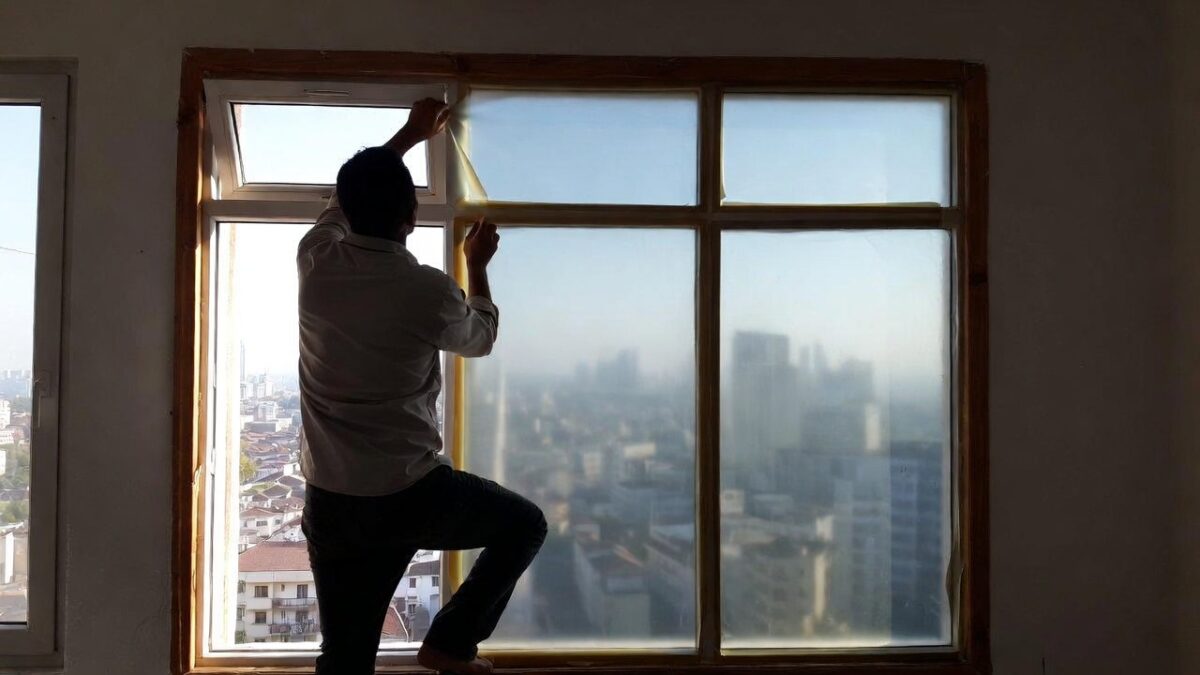
Most window film installs in Toronto and the GTA take a few hours. Homes are often finished in one day. Offices can be staged to avoid downtime.

You can stay during installation. There is no demolition and little mess.

After installation, films need time to cure. Avoid cleaning for a few days. Use soft cloths and mild cleaners after that.

Many people notice results after the first sunny day. Rooms feel calmer. Glare drops. Comfort improves.

Why Local Experience Matters

Toronto buildings are not all the same. Condo rules, glass types, sun exposure, and seasons all matter.

Installers who work across the GTA understand these details. That local experience helps avoid mistakes and improves results.

Thinking About Window Films for Your Space?

If heat, glare, fading, privacy, or safety is bothering you, window films are worth a closer look. They are one of the few upgrades that improve comfort without changing how a space looks.

If you want help choosing the right option or learning what works best for your building, visit Tintly Window Films to get more details or ask a question.

Good window films do their job quietly. You stop noticing the problem you had. That’s usually the goal.

Categories
Window Tinting and Window Films

What Are Window Films and Why They Are Popular in Toronto Homes and Businesses

Window films are one of the most searched window upgrades in Toronto. People look them up when rooms feel too hot, glare makes work hard, furniture fades, or privacy feels weak. Many want a fix that works without replacing windows.

Window films are thin layers installed directly on existing glass. They change how sunlight enters a space. Less heat comes in. UV rays get blocked. Glare feels softer. Privacy improves.

Across Toronto and the GTA, window films are used in condos, houses, offices, retail shops, clinics, and schools. You will see them in CityPlace condos, older homes in East York, storefronts near Dundas Street, and offices in Mississauga. The buildings differ. The glass problems repeat.

This guide explains how window films work, where they help most, and why they make sense for Toronto buildings.

What Window Films Are and What They Do

Window films are thin polyester sheets with special coatings. These coatings control how light, heat, and UV pass through glass.

Some window films reflect heat back outside. Others absorb heat before it enters the room. Some spread light to reduce glare. Many block almost all UV rays.

The goal is simple. Make glass behave better.

In Toronto, untreated windows cause common problems. Rooms overheat in summer. Condos trap heat even with AC running. Winter sun causes glare but adds little warmth. Floors and furniture fade faster than expected.

Window films reduce these issues before sunlight reaches the interior.

If you want a simple breakdown of film types, this guide on window films basics explains the options without technical wording.

Why Window Films Matter in Toronto Weather

Toronto weather is hard on glass.

Summers are hotter than they used to be. Heat waves last longer. South and west facing windows push indoor temperatures up fast. In condos, blinds alone do not help much.

In winter, glare becomes the issue. People close blinds and turn on lights during the day. Energy use rises.

Window films help smooth these extremes.

They reduce summer heat gain. They soften glare all year. They block UV that fades floors and furniture even during colder months.

Natural Resources Canada explains that windows are one of the biggest sources of heat gain and loss in Canadian buildings. Their guide shows why improving glass performance matters: Natural Resources Canada – Window Heat Loss.

How Homeowners Use Window Films

Homeowners usually ask about comfort first.

In East York and Scarborough, many homes still have solid windows but poor heat control. Replacing windows costs a lot and takes time. Window films offer a faster option.

In Vaughan and Markham, newer homes often have large glass areas. These look nice but trap heat during the afternoon.

Homeowners use window films to:

  • Cool down hot bedrooms
  • Reduce glare on TVs and laptops
  • Protect hardwood floors and rugs
  • Add privacy near sidewalks
  • Lower AC use during heat waves

New example: A townhouse near Don Mills had a second-floor bedroom that stayed hot all summer. After solar window film was installed, the room cooled enough that the family stopped using a portable AC.

For homes near busy streets, these privacy window film ideas explain how to improve privacy without dark rooms.

How Businesses Use Window Films in the GTA

Businesses focus on comfort and function.

Retail stores deal with faded products. Offices deal with glare on screens. Clinics need privacy without dark rooms. Restaurants struggle with uneven temperatures that leave certain tables empty.

Window films help fix these problems quietly.

  • Storefront glare control
  • Office comfort improvement
  • Meeting room privacy
  • UV protection for displays
  • Added safety during glass breakage

New example: A small office near Etobicoke had afternoon glare that made screens hard to read. After window film installation, staff stopped rearranging desks to avoid the sun.

Security also matters more now. Many GTA storefronts deal with broken glass incidents. security window films help hold shattered glass together and reduce injury risk.

What Installing Window Films Involves

Installing window films is more than sticking film to glass.

The installer checks the glass type first. Double pane, tempered, and low-e glass all react differently.

The wrong film on the wrong glass can cause stress cracks. This is where many issues begin.

A proper install often includes:

  • Glass inspection
  • Film selection based on use
  • Deep cleaning
  • Wet application
  • Hand trimming edges
  • Curing time

Light haze or moisture spots may appear at first. This clears as the film dries.

The International Window Film Association provides general guidance on film standards here: International Window Film Association.

Common Myths About Window Films

“Window films make rooms dark.”
Some do. Many reduce heat while staying clear.

“Window films damage windows.”
Problems usually happen when film and glass do not match.

“Window films only help in summer.”
They also help with glare and UV in winter.

“DIY kits work the same.”
Film quality and install skill matter more than people expect.

This breakdown of DIY vs professional window film installation explains why results differ so much.

Are Window Films Worth It in Toronto?

For many Toronto homes and businesses, yes.

Window films solve real problems without major renovation. They improve comfort, protect interiors, and make rooms usable again.

Most people say the same thing after install. They waited too long.

Talk to a Local Window Film Expert

If heat, glare, fading, or privacy keep coming up, window films deserve another look.

A local installer understands Toronto buildings, condo rules, and seasonal issues.

Learn more about professional window film solutions at Tintly Window Films.

Better glass performance starts with the right film.