Categories
Window Tinting and Window Films

How Window Films Improve Home Security for Residential Properties

Window films are a common solution homeowners search for when they want safer windows without replacing glass. Residential security window films help hold broken glass together, reduce injury, and slow break-ins while keeping the same windows and frames.

Across many Canadian neighbourhoods, interest in window films increases after break-ins, winter storms, or damage to older glass. Security window film installs on existing windows and adds strength without major changes to the home.

Many homeowners start by learning the basics through resources like Introduction to Window Films before focusing on security options.

What Residential Security Window Films Are

Residential security window films are thick polyester layers applied to the inside of glass. The film bonds to the surface and helps keep broken pieces together after impact.

This type of window film does not stop glass from cracking. It changes how the glass reacts after it breaks. Instead of falling apart fast, the glass stays held in place longer.

Some homeowners mix up security window films with tint films. Tint helps with glare or shade. Security films focus on strength. Some window films combine both features.

Why Homeowners Use Security Window Films

Glass is often the weakest part of a home. Patio doors, basement windows, and front doors with glass inserts are common access points.

Security window films slow forced entry. Even a short delay can stop a break-in. Many intruders leave once resistance increases.

The film also reduces injury during accidents and storms. Broken glass stays together instead of spreading across floors.

Homeowners often read guides like what are security window films to understand how this protection works.

Where Security Window Films Are Installed Most

Not every window needs security film. Most homes focus on higher-risk areas.

  • Front doors with glass panels
  • Back doors and patio doors
  • Ground-floor windows
  • Basement windows near walkways
  • Garage access doors

These spots are easier to reach and often face weather stress.

How Window Films React When Glass Breaks

Untreated glass breaks fast and separates into sharp pieces.

With security window film installed, the glass cracks but stays together. This reaction is similar to how safety films enhance window security in residential homes.

Intruders need more time and effort to get through the glass. Many stop once progress slows.

Local Example: Older Row House

A homeowner in an older row house added security window film after several nearby break-ins. The home had large front windows close to the sidewalk.

Later that year, a thrown object cracked one window. The glass stayed in place. No entry happened. The owner replaced only the glass panel.

This type of damage is common in dense areas with street-facing windows.

Window Films Compared to Window Replacement

Replacing windows costs more and takes longer. Many homeowners compare window films over replacements when planning safety upgrades.

Security window films install faster and avoid changes to frames or trim. Most installations finish in one day.

For homes with solid frames but weak glass, film is often the better choice.

Why Professional Installation Matters

Security window film must bond correctly to work well. Poor installs can lead to peeling or weak edges.

Many homeowners choose professional window film installation to avoid early problems.

Installers clean the glass fully, apply the film evenly, and trim edges clean. This helps the film last longer.

Second Example: Winter Wind Damage

A family near Lake Ontario added security window film after strong winter winds cracked a living room window.

The glass broke inward but stayed together. No injuries happened. Cleanup was quick and simple.

Freeze and thaw cycles often cause this type of break in older homes.

How Long Security Window Films Last

Most residential security window films last between 10 and 15 years indoors.

The International Window Film Association explains that lifespan depends on film thickness, glass condition, and install quality.

Indoor installs last longer since they avoid moisture and heavy sun exposure.

Extra Benefits Homeowners Notice

After installation, many homeowners notice small added benefits.

  • Less glass noise during storms
  • Reduced UV fading on furniture
  • Slight privacy gain during daylight

Results depend on the film type used.

Window Films and Seasonal Comfort

Some security window films also block UV and heat. This helps keep rooms cooler in summer.

The U.S. Department of Energy explains how window films reduce heat gain and protect interiors.

Homes with large south-facing windows often notice better comfort.

Are Security Window Films a Smart Upgrade?

For homeowners who want safer glass without replacing windows, security window films offer a practical solution.

They change how glass behaves during impact and lower injury risk. Many homeowners value the added peace of mind most.

Frequently Asked Questions

What do residential security window films do?

Residential security window films hold glass together when it breaks and reduce injury or forced entry.

Do security window films stop break-ins completely?

Security window films do not stop break-ins fully, but they slow entry and add resistance.

Are security window films visible once installed?

Most residential security window films are clear and do not change window appearance.

Can security window films be installed on existing windows?

Security window films install directly onto existing glass without replacing windows.

How long do residential security window films last?

High-quality security window films usually last 10 to 15 years indoors.

Categories
Window Tinting and Window Films

Beginner s Guide to For Sale Privacy Tint For Home Windows

Modern home with tinted windows

In the quest to create a perfect living space, privacy and comfort are paramount. Installing privacy tint for home windows is an effective way to enhance both. This guide will walk you through everything you need to know about privacy window films, from their benefits to how to choose and install them.

Understanding Privacy Window Film

Privacy window film is a thin, self-adhesive layer applied directly to glass surfaces. It serves multiple purposes, such as enhancing privacy, reducing glare, and improving energy efficiency. These films come in various styles, from frosted and decorative patterns to reflective finishes, allowing homeowners to select a look that complements their interior design.

Benefits of Privacy Tint for Home Windows

  1. Enhanced Privacy: Privacy window films obscure the view into your home from the outside, without sacrificing natural light. This is particularly useful for ground-floor windows, bathrooms, and any other areas where privacy is a concern.
  2. Energy Efficiency: Tinting your windows can significantly reduce heat gain during summer and heat loss during winter. This translates to lower energy bills and a more comfortable living environment.
  3. Glare Reduction: By reducing glare, privacy films make it easier to watch television, work on computers, or simply relax without the discomfort of harsh sunlight.
  4. UV Protection: High-quality window films block up to 99% of harmful UV rays, protecting your furniture, flooring, and artwork from fading.
  5. Aesthetic Appeal: With a variety of designs and styles, window films can enhance the aesthetic of your home, adding a modern or decorative touch to your windows.

Close-up of a frosted window film

Choosing the Right Privacy Tint

Selecting the right privacy tint involves considering several factors to ensure it meets your needs and preferences.

Types of Privacy Window Films

  • Frosted Films: These provide a translucent appearance, allowing light to pass through while obscuring visibility.
  • Reflective Films: These offer a mirrored effect from the outside during daylight, providing privacy while maintaining visibility from the inside.
  • Decorative Films: Available in various patterns and colors, these films add a stylish element to your windows.

Factors to Consider

  1. Purpose: Determine what you need from your window film—privacy, energy efficiency, or aesthetic enhancement.
  2. Location: Consider where the film will be applied. Films used on bathroom windows may differ from those on living room windows.
  3. Light Transmission: Check the film’s light transmission level to ensure it allows enough natural light into your space.
  4. Durability: Look for films that are scratch-resistant and offer a warranty for peace of mind.
  5. Installation: Decide whether you want a DIY option or professional installation. Some films are easier to install than others, depending on their adhesive properties.

Installation Process

Once you’ve chosen the right film, it’s time to think about installation. While some films are designed for DIY installation, others may require professional help.

DIY Installation Steps

  1. Clean the Glass Surface: Thoroughly clean the window to remove any dust, dirt, or grease. This ensures proper adhesion of the film.
  2. Measure and Cut: Measure your window and cut the film to size, leaving a little extra to trim after application.
  3. Wet the Window: Lightly spray the window with a soapy water solution. This allows the film to be repositioned during installation.
  4. Apply the Film: Peel the backing off the film and carefully apply it to the wet window, starting from the top and working your way down.
  5. Smooth Out Air Bubbles: Use a squeegee to remove any air bubbles and excess water, working from the center outward.
  6. Trim Excess Film: Trim the edges of the film for a clean, professional finish.

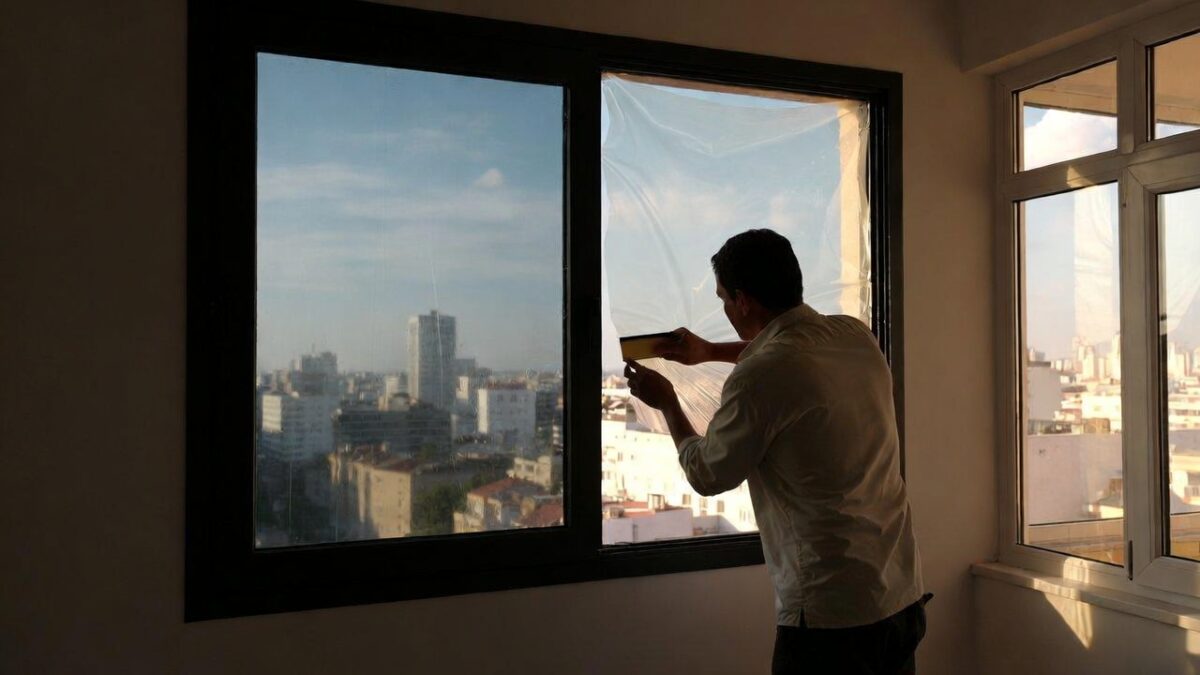
Person installing window film

by Brandon Griggs (https://unsplash.com/@paralitik)

Professional Installation

For those who prefer not to tackle the installation themselves, hiring a professional is a wise choice. Professionals have the expertise and tools to ensure a flawless application, saving you time and effort.

Maintenance and Care

Caring for your privacy window film is straightforward. Here are a few tips to keep it looking its best:

  • Cleaning: Use a soft cloth or sponge with a mild soapy solution to clean the film. Avoid abrasive cleaners or tools that might scratch the surface.
  • Avoid Direct Impact: Be mindful of activities that could scratch or damage the film, such as playing with toys near the windows.
  • Regular Inspections: Periodically check the film for signs of wear or peeling and address any issues promptly.

Conclusion

Privacy tints for home windows offer an array of benefits that enhance your living space’s comfort, efficiency, and aesthetic appeal. Whether you opt for a DIY installation or hire a professional, these films are a smart investment for any homeowner seeking to improve their home environment.

By understanding the types of films available and considering your specific needs, you can select the perfect privacy tint to complement your home’s design and lifestyle.

Categories
Window Tinting and Window Films

Commercial Window Films in Canada: Safety Rules, Real Risks, and What Businesses Need to Know

If you are searching for window films in Toronto, chances are you are not just browsing. Most business owners look into window films after something happens. A smashed storefront. A cracked glass door. A staff member nervous about closing late. These problems show up a lot across Toronto and the GTA, especially in areas with foot traffic and street-facing glass.

Window films are often sold as a comfort or privacy upgrade, but for commercial buildings they also play a safety role. In Canada, glass safety connects to building rules, insurance pressure, and everyday risk. When glass breaks, people can get hurt and business can stop fast. That is why more Toronto businesses now add window films before trouble hits.

This guide explains how window films, including security-focused window films, fit into commercial safety expectations in Canada. It also shares how real businesses around Toronto and the GTA use them in normal spaces, not just new builds or big towers.

How Commercial Window Film Rules Work in Canada

Canada does not have one simple law that says every business must install security window films. This causes confusion. Some owners think no rule means no duty. That idea often leads to problems later.

In Ontario, commercial buildings follow the Ontario Building Code. The code focuses on safety when glass breaks. Storefronts, doors, office glass, and public-facing panels should reduce injury risk if they fail.

This is where window films come in.

Plain glass breaks sharp and fast. Shards fall. People get cut. In retail shops, clinics, gyms, and offices, this can cause panic, claims, and closures. Security window films are made to hold broken glass together. They do not stop cracks. They control how glass fails.

Most expectations around security window films come from:

  • Building safety rules
  • Safety glazing standards
  • Insurance risk policies
  • Workplace safety rules
  • Property manager guidelines

Many Toronto landlords do not say “install security film.” They say “reduce glass hazard” or “limit damage risk.” Window films handle this without replacing glass.

If you want a simple product explanation, this page helps: What Are Security Window Films.

How Window Films Help With Safety and Liability

Most Toronto business owners add window films after a close call. A break-in on the same block. A cracked door panel during cleaning. A staff injury scare while sweeping glass.

Once glass breaks, the questions are basic.

  • Was the glass protected?
  • Was the risk known?
  • Could damage have been reduced?

Security window films help answer these questions.

When installed properly, window films keep broken glass in place. This matters in storefronts, glass doors, office partitions, and waiting rooms.

In downtown Toronto, North York, Mississauga, and Brampton, many buildings still use older glass. It met code years ago. It still fails the same way today. Window films add protection without changing the glass itself.

Insurance companies often see security window films as damage control. They do not replace alarms or locks. They slow entry and limit mess.

Where Commercial Window Films Are Used Most in Toronto

Security window films show up most in places with street exposure and public access.

Across Toronto and the GTA, they are common in:

  • Retail storefronts
  • Medical clinics and pharmacies
  • Office entrances
  • Schools and daycares
  • Restaurants with street-facing glass

In Etobicoke and Vaughan, plaza owners pushed glass protection after repeat smash-and-grabs. In Scarborough, several strip malls added window films after winter break-ins picked up.

Ground-level glass, corner units, and buildings near transit stops face higher risk.

Toronto Police also suggest physical barriers that slow entry. Their guidance supports this approach: Toronto Police break-and-enter prevention.

Window Films Compared to Full Glass Replacement

Replacing commercial glass costs time and money. Large panes in Toronto can take weeks to arrive. During that wait, stores board up windows. Customers hesitate. Staff feel uneasy.

Window films change how damage happens.

Many businesses use window films to:

  • Extend glass life
  • Reduce repeat replacements
  • Limit downtime after break-ins

When glass with window film breaks, it often stays in place. The opening stays more sealed. Clean-up is faster.

Window films do not make glass unbreakable. They buy time.

If you are weighing options, this comparison explains the difference: Tinted Window Film vs Full Window Replacement.

For national safety guidance, Canada publishes building code info here: Codes Canada publications.

Why Proper Installation Matters for Window Films

Not all window film installs perform the same.

Security window films need clean prep, even pressure, and solid edges. Poor installs fail early. Film peels. Corners lift. This happens more than people think.

A professional installer understands:

  • Local glass types
  • Correct cleaning steps
  • Film thickness choices
  • Edge finishing

Security window films are not decorative films. They behave different and need careful handling.

For planning tips and common mistakes, read: Key Considerations When Installing Window Films.

Local Case: Bakery Near Danforth Avenue

A small bakery near Danforth Avenue replaced its front window twice in one year. Both breaks happened late at night.

After the second repair, the owner added security window films.

Months later, another attempt happened. The glass cracked but stayed together. Entry failed. The bakery opened the next morning without boarding.

Another Case: Office Building in Markham

An office building in Markham added window films after a glass stairwell panel shattered during a cold snap and nearby road work.

No break-in happened. The film held the glass together. No injuries. No emergency shutdown.

Seasonal Problems That Push Businesses Toward Window Films

Toronto winters stress glass. Cold snaps, traffic vibration, and nearby construction add pressure. Summer brings foot traffic and higher vandalism risk.

Window films help year-round by holding glass during impact and lowering injury risk.

For Ontario guidance on glass safety, see: Ontario Building Code overview.

Choosing the Right Window Films for Commercial Buildings

Not all window films suit commercial spaces.

Most businesses need thicker films, clear views, and long service life.

A good installer reviews location, glass size, and risk before suggesting film.

Window Films as Part of a Simple Security Plan

Window films work best with alarms, lighting, and cameras. They slow entry and reduce damage.

Final Thoughts for Toronto Business Owners

Window films are not just cosmetic upgrades. For many Toronto and GTA businesses, they solve real safety problems.

They reduce glass injury risk. They limit break-in damage. They support building expectations without major renovation.

Most owners add window films after glass breaks. A calmer move is adding them before cleanup day.

If you are already searching for window films, you are likely closer to that decision than you think.

Categories
Window Tinting and Window Films

How Reliable Is Window Security Film for Glass Protection

Window security film application

When it comes to enhancing your home’s security and privacy, window security film can be an excellent solution. It provides an additional layer of protection to your windows, making them more resilient to impacts and potential break-ins. But how reliable is window security film for glass protection? In this article, we’ll explore the various aspects of window security film, including its benefits, installation process, and effectiveness in protecting your home.

Understanding Window Security Film

Window security film is a thin, transparent film applied to glass surfaces. It’s designed to hold glass together when shattered, reducing the risk of injury from flying glass shards. This film is typically made from polyester or PET and can be applied to existing windows without the need for replacement.

Types of Window Films

There are various types of window films available, each serving a unique purpose:

  • Security Window Film: This film is thicker and designed to hold glass together, offering protection against break-ins and natural disasters.
  • Privacy Window Film: Provides privacy by reducing visibility from outside while still allowing light to enter.
  • Decorative Window Film: Enhances aesthetics with patterns and designs, offering both style and privacy.
  • Solar Control Window Film: Reduces heat and UV rays, improving energy efficiency.

Benefits of Window Security Film

Enhanced Security

The primary benefit of window security film is its ability to enhance the security of your home. By holding shattered glass in place, it acts as a deterrent to potential burglars who may find it difficult to break through the window quickly and quietly.

Improved Safety

Shattered glass held by security film

In the event of an accident or natural disaster, such as a storm or earthquake, window security film can prevent glass from shattering into dangerous, sharp pieces. This reduces the risk of injury to you and your family.

UV Protection

Security window film can also block up to 99% of harmful UV rays, protecting your interior furnishings from fading and damage over time. This is an added benefit that helps maintain the aesthetic appeal of your home while also safeguarding your health.

Energy Efficiency

While its primary purpose is not energy efficiency, window security film can contribute to lower energy bills by reducing heat gain in the summer and heat loss in the winter. This can help maintain a comfortable indoor temperature and reduce reliance on heating and cooling systems.

Cost-Effective Solution

Compared to replacing windows with impact-resistant glass, applying security film is a more affordable option. It allows homeowners to enhance their security without incurring significant expenses.

Installation Process

Professional vs. DIY Installation

While it is possible to install window security film yourself, professional installation is recommended for the best results. Professionals have the expertise and tools to ensure the film is applied correctly, without bubbles or creases, and with precise cutting to fit your windows perfectly.

Steps Involved in Installation

  1. Surface Preparation: The window surface is thoroughly cleaned to remove any dirt, dust, or grease that could affect the film’s adhesion.
  2. Measuring and Cutting: The film is measured and cut to fit the window precisely, ensuring there are no gaps or overlaps.
  3. Application: The film is carefully applied to the window, starting from one edge and smoothing it out to prevent bubbles and wrinkles.
  4. Trimming and Finishing: Excess film is trimmed, and the edges are sealed to ensure a secure fit.

Effectiveness of Window Security Film

Real-World Scenarios

Window security film has proven effective in various real-world scenarios. In cases of attempted break-ins, the film can delay intruders long enough for them to be deterred or for authorities to be notified. During storms or earthquakes, the film helps prevent glass from shattering, reducing the risk of injury from flying debris.

Limitations

It’s important to note that while window security film significantly enhances security, it is not a foolproof solution. It does not make windows unbreakable but rather strengthens them, making break-ins more challenging and time-consuming.

Choosing the Right Window Security Film

Factors to Consider

When selecting a window security film, consider the following factors:

  • Thickness: Thicker films offer better protection but may also reduce visibility.
  • Tints and Colors: Choose a film that complements your home’s aesthetics and provides the desired level of privacy.
  • Warranty: Look for films with a warranty that guarantees performance and durability.

Consulting a Professional

For the best results, consult with a professional window film installer. They can assess your needs, recommend the most suitable film, and ensure proper installation.

Conclusion

Home with installed window security film

by Yusuf Evli (https://unsplash.com/@yusufevli)

Window security film is a reliable and cost-effective solution for enhancing the security and safety of your home. By choosing the right film and ensuring professional installation, you can enjoy the peace of mind that comes with knowing your windows are better protected against potential threats.

Whether you’re an interior designer looking to provide clients with stylish and practical solutions, or a homeowner seeking to enhance your living space, window security film offers a versatile option that meets both security and aesthetic needs.

Categories
Window Tinting and Window Films

Latest Advice on Heat Reflective Window Film

# Latest Advice on Heat Reflective Window Film

As an interior designer, you understand the importance of creating beautiful, functional, and energy-efficient spaces. One innovative solution that is gaining traction in the design world is heat reflective window film. This versatile product not only enhances the aesthetic appeal of a room but also contributes to energy savings and privacy. Let’s explore the latest advice on heat reflective window film, and how it can be a game-changer for your design projects.

Heat Reflective Window Film Installation

Heat reflective window film is a thin laminate film that can be installed on the interior or exterior of glass surfaces. It is designed to reflect a significant portion of solar energy, which helps in reducing heat gain inside a building. This film is especially beneficial in areas with high sun exposure, as it helps maintain a comfortable indoor temperature and reduces the need for air conditioning.

Benefits of Heat Reflective Window Film

  1. Energy Efficiency: By reflecting sunlight, heat reflective window film reduces the need for artificial cooling, leading to lower energy consumption and reduced utility bills.
  2. UV Protection: The film blocks up to 99% of harmful UV rays, protecting furniture, flooring, and artwork from fading and prolonging their lifespan.
  3. Glare Reduction: It minimizes glare on screens and surfaces, creating a more comfortable environment, especially in office settings.
  4. Enhanced Privacy: Some variants of window film offer increased privacy without sacrificing natural light, making them ideal for urban spaces.

Choosing the Right Window Film

When selecting a heat reflective window film, it’s crucial to consider the specific needs of the space and the preferences of your clients.

Types of Window Films

  1. Solar Window Film: Primarily focused on reducing heat and glare, solar window films are perfect for rooms that receive a lot of direct sunlight.
  2. Privacy Window Film: These films are designed to obscure the view from outside while maintaining clear visibility from the inside. They are ideal for ground-level windows or bathrooms.
  3. Decorative Window Film: Apart from their functional benefits, these films add a decorative touch to windows, complementing the overall design theme.

Factors to Consider

  • Visible Light Transmission (VLT): This measures the amount of visible light that passes through the film. A lower VLT means less light, which is ideal for spaces requiring more privacy.
  • Shading Coefficient (SC): This indicates the film’s ability to block heat. A lower SC means better heat blocking capabilities.
  • Aesthetic Appeal: The film should blend seamlessly with the room’s décor, enhancing the overall design without being obtrusive.

Installation Process

Window Film Installation Process

Installing window film is a straightforward process, but it requires precision to ensure a flawless finish. Here’s a step-by-step guide:

  1. Clean the Glass Surface: Ensure the window is free from dust, dirt, and grease. A clean surface is essential for the film to adhere properly.
  2. Measure and Cut: Measure the window dimensions accurately and cut the film slightly larger to allow for adjustments.
  3. Apply the Film: Use a soapy water solution to wet the glass. This allows the film to be repositioned easily during installation.
  4. Trim Excess Film: Carefully trim any excess film using a sharp blade for a clean edge.
  5. Remove Air Bubbles: Use a squeegee to remove air bubbles and excess water, ensuring a smooth and even application.

Maintenance Tips

To ensure the longevity of the window film, regular maintenance is necessary. Here are some tips:

  • Avoid Abrasive Cleaners: Use a soft cloth and mild detergent to clean the film. Avoid harsh chemicals or abrasive materials that can scratch the surface.
  • Inspect Regularly: Check for any signs of peeling or bubbles and address them promptly to prevent further damage.

Real-World Applications

Modern Living Room with Window Film

by Yucel Moran (https://unsplash.com/@ymoran)

Incorporating heat reflective window film in design projects can significantly enhance the living experience for occupants. Here are some real-world applications:

Residential Spaces

For homes in sunny climates, window film provides an eco-friendly solution to maintain indoor comfort. It is particularly beneficial in living rooms, kitchens, and bedrooms where large windows are a focal point.

Commercial Buildings

In office settings, window film can improve employee productivity by reducing glare and creating a more comfortable working environment. It also contributes to a building’s sustainability goals by lowering energy consumption.

Hospitality Industry

Hotels and restaurants benefit from the privacy and aesthetic appeal that window films provide, offering guests a pleasant and private experience without compromising on style.

Conclusion

Heat reflective window film is a versatile and cost-effective solution for enhancing both the aesthetic and functional aspects of a space. By understanding the different types of films and their benefits, you can offer your clients cutting-edge solutions that align with their design preferences and sustainability goals.

By incorporating this innovative product into your design repertoire, you not only improve the comfort and energy efficiency of the spaces you design but also contribute to a more sustainable future. Whether you’re working on a residential project or a commercial space, heat reflective window film is a smart choice for today’s environmentally conscious interior designers.

Categories
Window Tinting and Window Films

What Safety Window Films Really Do and Why Window Films Matter More Than Ever

Window films are one of the most searched building upgrades in Toronto and the GTA right now. Homeowners, shop owners, and property managers look for window films after glass breaks, after a break-in, or when they want better protection without replacing windows. Safety window film shows up early in these searches because it helps reduce injuries and damage when glass fails.

If you searched window films in Toronto, North York, Scarborough, Mississauga, or Vaughan, something likely triggered it. A cracked door in winter. A smashed storefront. Or flying glass that almost hurt someone.

This page explains how safety window film fits into the larger category of window films. It explains what it does, how it works, and why many GTA properties now install it before the next issue shows up.

We install window films across the GTA every week. Shops near Queen Street. Condos around Yonge and Eglinton. Offices downtown. Homes in Richmond Hill and Markham. Different spaces. Same problems. Glass breaks fast. Film slows it down.

What Safety Window Film Is Within the World of Window Films

Safety window film is one type of window film. It is clear. It is thick. It bonds to glass with strong adhesive. It does not stop glass from breaking. It controls what happens after the break.

Without window films, broken glass spreads. Pieces fall. Some fly. Cuts happen fast and cleanup takes longer.

With safety window film installed, the glass cracks but stays together. The film holds the shards in place. Doors stay upright longer. Windows do not collapse right away.

This is why safety window film is often grouped with security window films. Both focus on impact and glass control instead of shade or looks.

Most safety window films use layered polyester. Thickness matters. Adhesive matters too. On doors and storefronts, edge attachment helps the film stay locked into the frame.

Safety window film installs on the inside of the glass. This protects it from weather and helps it last longer, which matters during Toronto winters.

Why Window Films Matter More in Toronto and the GTA

Glass in Toronto deals with stress all year. Cold winters. Hot summers. Traffic vibration. Constant foot traffic.

In winter, cold glass meets warm indoor air. Stress builds. One hard door close can crack a panel. In summer, patios and open doors raise accident risk.

We see the same calls every year. Retail shops near Dundas West. Offices close to Union Station. Condos near transit hubs.

Window films help manage these risks. Safety window film handles impact. Other window films help with glare, heat, or privacy. Many buildings use more than one type.

The Toronto Police Service tracks break-in trends and prevention tips here: https://www.tps.ca/crime-prevention/

How Safety Window Film Helps Reduce Injuries

Glass injuries are serious. Cuts are deep. Healing takes time. Work stops.

Safety window film helps in simple ways.

It stops glass from flying. Broken pieces stick to the film instead of spreading across the room.

It keeps glass standing. Doors and panels stay in the frame longer.

It lowers panic. When glass stays in place, people move slower and safer.

A yoga studio near Roncesvalles added safety window film after a large glass panel cracked during a busy class. No one was hurt, but it scared staff and clients. Film was installed before reopening.

Canadian workplace safety guidance on glass hazards is available from CCOHS: https://www.ccohs.ca/

How Safety Window Film Limits Property Damage

Glass damage adds up fast in Toronto. Replacement glass. Emergency boarding. Cleanup. Lost business hours.

A small café near College Street called after a smash-and-grab. The glass shattered and they closed for two days. After installing safety window film, another attempt happened months later. The glass cracked but stayed in place. Nothing was taken. They opened the next morning.

Safety window film helps by holding glass in place. Cleanup is faster. Forced entry takes longer. Displays stay protected.

Downtown office buildings also use safety window film on interior glass. One broken panel can shut down a full floor.

Insurance loss prevention topics are often discussed by the Insurance Bureau of Canada: https://www.ibc.ca/

Safety Window Film Compared to Other Window Films

Not all window films do the same job.

Some window films reduce heat. Some cut glare. Some add privacy.

Safety window film focuses on impact and glass control.

This is why many properties use safety film together with other window films. Comfort and protection work together.

If you are deciding between film and full replacement, this guide explains the cost difference: window films versus window replacement

Where Safety Window Film Works Best

Not every window needs safety film. Some need it more.

  • Storefront glass
  • Glass doors
  • Ground-level windows
  • Schools and daycares
  • Offices with interior glass
  • Homes with sliding doors

Busy areas see more glass issues. Danforth. Spadina. Downtown core.

Season plays a role too. Winter break-ins rise. Summer accidents increase.

Why Installation Quality Makes a Difference

Bad installs fail. Film peels. Edges lift.

Good installs start with clean glass, correct sizing, and proper edge work.

This step-by-step guide shows what proper installs look like: security film installation guide

We often fix installs done wrong. Film rushed onto dirty glass does not help anyone.

Is Safety Window Film Worth the Cost?

Compared to replacing glass, safety window film costs less and works before damage happens.

It will not stop every break. It reduces the result.

Many Toronto property managers add safety film after one incident. Not two.

Choosing a Window Film Installer in Toronto

Ask simple questions.

  • Do you install safety window film often?
  • Do you anchor film on doors?
  • Do you work across the GTA?
  • Do you handle homes and businesses?

This checklist helps avoid install problems: key considerations when installing window films

Frequently Asked Questions

What are window films used for?

Window films help manage heat, glare, privacy, and glass breakage based on the film type.

Does safety window film stop glass from breaking?

Safety window film does not stop glass from breaking, but it holds broken pieces together.

Is safety window film the same as tinted window film?

Safety window film is thicker and built for impact control, while tinted window film focuses on comfort.

Where should safety window film be installed first?

Doors, storefronts, and ground-level windows are usually the first priority.

How long do window films last?

Professionally installed window films can last 10 to 15 years indoors with basic care.