Categories
Window Tinting and Window Films

Trends in Guide To Household Window Tint

In recent years, the demand for residential window tinting has been on the rise, and for good reasons. Whether you’re looking to enhance your home’s privacy, reduce energy costs, or add a touch of elegance to your interiors, window tinting offers a versatile solution. This guide explores the latest trends in household window tint, helping you make informed decisions for your living space.

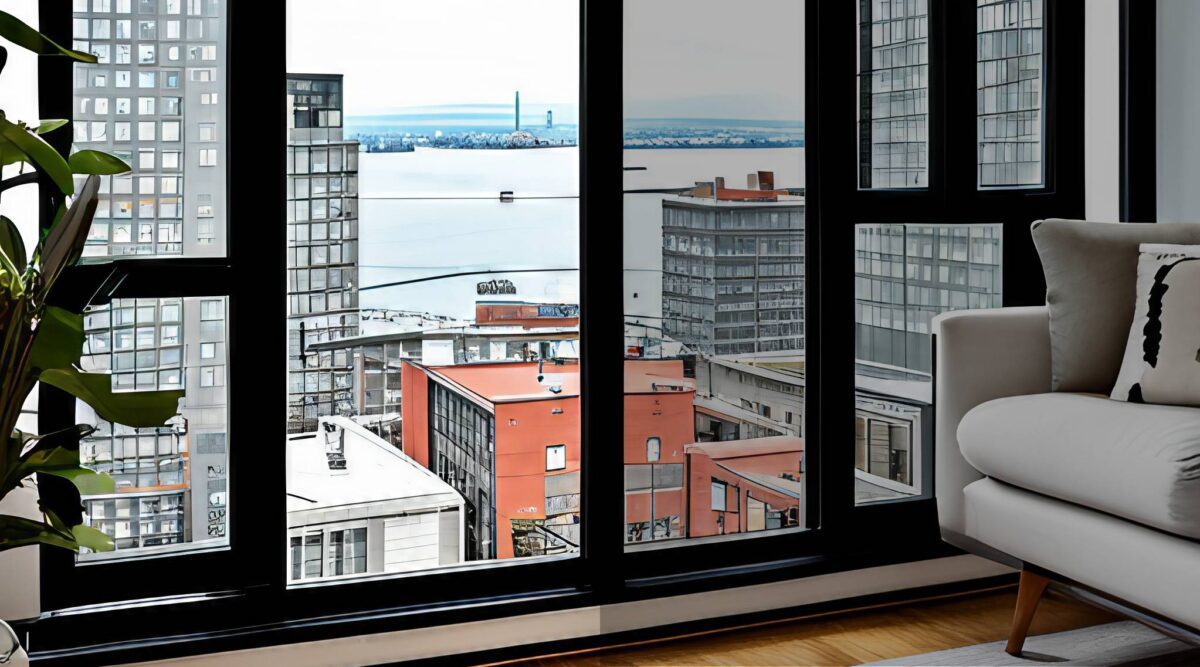
Modern home with tinted windows

Residential window tinting is not just about aesthetics; it’s a practical choice for homeowners seeking to improve their living environment. Here are some of the key benefits:

Energy Efficiency

Tinted windows can significantly reduce your home’s energy consumption by blocking out heat from the sun. This means less reliance on air conditioning during hot months, which translates to lower energy bills. By maintaining a more consistent indoor temperature, tinted windows reduce the strain on HVAC systems, potentially extending their lifespan. Moreover, energy-efficient homes are often more appealing to potential buyers, should you decide to sell in the future.

UV Protection

Window films can block up to 99% of harmful UV rays, protecting your family and your furniture from sun damage. Over time, UV rays can cause furniture and flooring to fade, leading to costly replacements. By installing window tints, you preserve the color and vibrancy of your interiors, keeping them looking newer for longer. Additionally, reducing UV exposure can lower the risk of skin-related health issues, providing an extra layer of safety for your family.

Enhanced Privacy

Tinted windows provide an added layer of privacy without sacrificing natural light. You can enjoy the view outside without worrying about prying eyes. This is particularly beneficial for homes located in densely populated areas or those with large windows facing the street. Enhanced privacy allows you to feel more comfortable in your space, promoting a sense of security and well-being. Furthermore, the ability to see out while preventing others from seeing in can deter potential intruders.

Aesthetic Appeal

With a variety of styles and shades available, window tinting can complement your home’s design, adding a modern and sleek look. Whether you prefer a subtle tint or a bold decorative film, there’s an option to suit every taste and style. Window tinting can also add a cohesive look to your home, tying together different design elements. As a relatively simple modification, window tinting offers an impactful way to refresh your home’s appearance without a major renovation.

Current Trends in Household Window Tint

Decorative Window Films

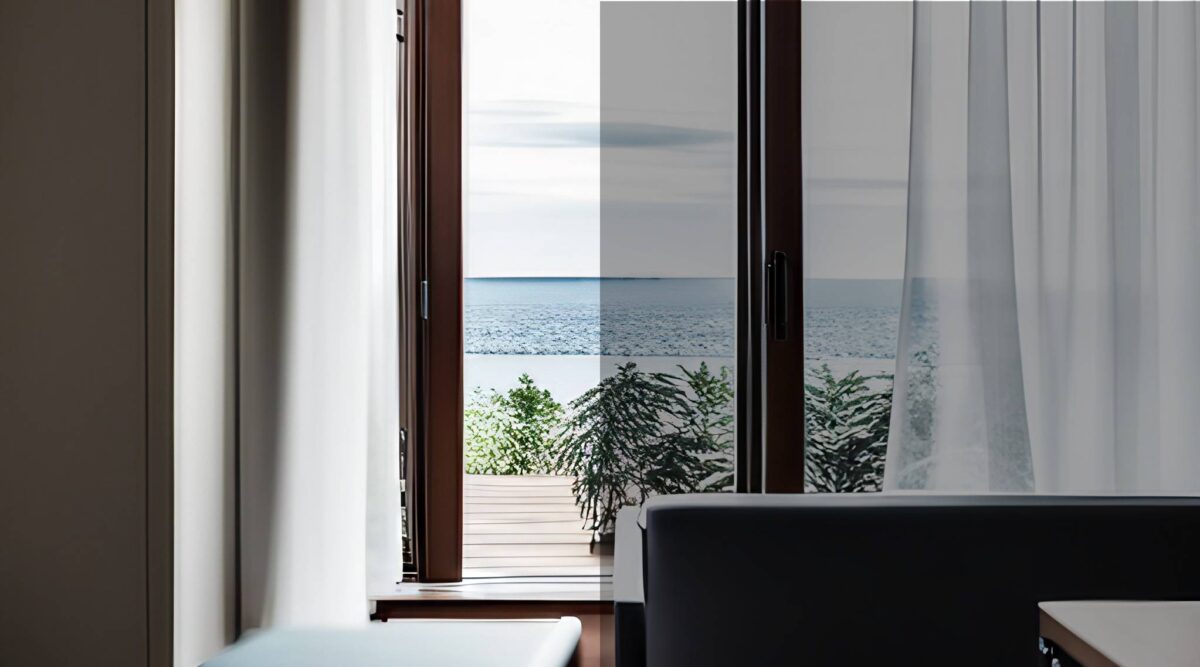
Decorative window film on living room window

One of the most popular trends in window tinting is the use of decorative films. These films come in various patterns and textures, allowing homeowners to personalize their spaces. From frosted and etched designs to bold patterns, decorative window films can transform plain windows into stunning focal points.

Decorative films are especially appealing for interior designers looking to add a unique touch to their projects. They offer a cost-effective way to enhance aesthetics while still providing the benefits of traditional window tinting. Additionally, decorative films can be used strategically to create zones within open-plan spaces or to provide a sense of privacy in shared living areas.

Smart Window Films

Technology is making its way into the world of window tinting with smart films. These films can change their opacity at the touch of a button or automatically adjust based on the time of day. Smart window films provide flexibility for homeowners who want control over the amount of light entering their home, offering the perfect balance between privacy and openness.

Smart films are ideal for spaces like bathrooms and bedrooms, where privacy is paramount. They also contribute to energy savings by adjusting to the sun’s intensity, optimizing indoor temperature regulation. With smart home integration, these films can be programmed to adjust based on your daily schedule, enhancing convenience and energy efficiency.

Eco-Friendly Films

With growing awareness about environmental sustainability, eco-friendly window films have become a significant trend. These films are made from sustainable materials and are designed to last longer, reducing waste. They also enhance energy efficiency, contributing to a smaller carbon footprint.

Homeowners who prioritize sustainability can choose eco-friendly films to align with their values while enjoying the practical benefits of window tinting. The production of these films often involves processes that minimize environmental impact, making them an attractive choice for the environmentally conscious. By choosing eco-friendly films, you contribute to a healthier planet while benefiting from improved home comfort.

Choosing the Right Window Tint for Your Home

When selecting window tint for your home, consider your specific needs and preferences. Here are some factors to keep in mind:

Purpose

Determine the primary purpose of the window tint. Are you looking to improve privacy, enhance aesthetics, or increase energy efficiency? Understanding your goals will help you choose the right type of film. For instance, if privacy is your main concern, you might opt for a darker tint or frosted film. Conversely, if energy efficiency tops your list, look for films with high solar heat rejection.

Style and Design

Consider the overall style of your home and how the window tint will complement it. Decorative films offer a wide range of designs that can match any interior theme. Whether your home has a modern, traditional, or eclectic style, there’s a window tint to suit it. Think about how the tint will interact with natural light and existing decor to create a harmonious look. Samples or visualizations can help you envision the final result before making a decision.

Budget

Window tints come in various price ranges. Set a budget and explore options within it, ensuring you get the best value for your investment. While some films may have a higher upfront cost, they often offer greater longevity and additional benefits, such as energy savings or enhanced durability. Consider the long-term savings and benefits when evaluating your options, and remember that professional installation can influence the overall cost.

Installation and Maintenance

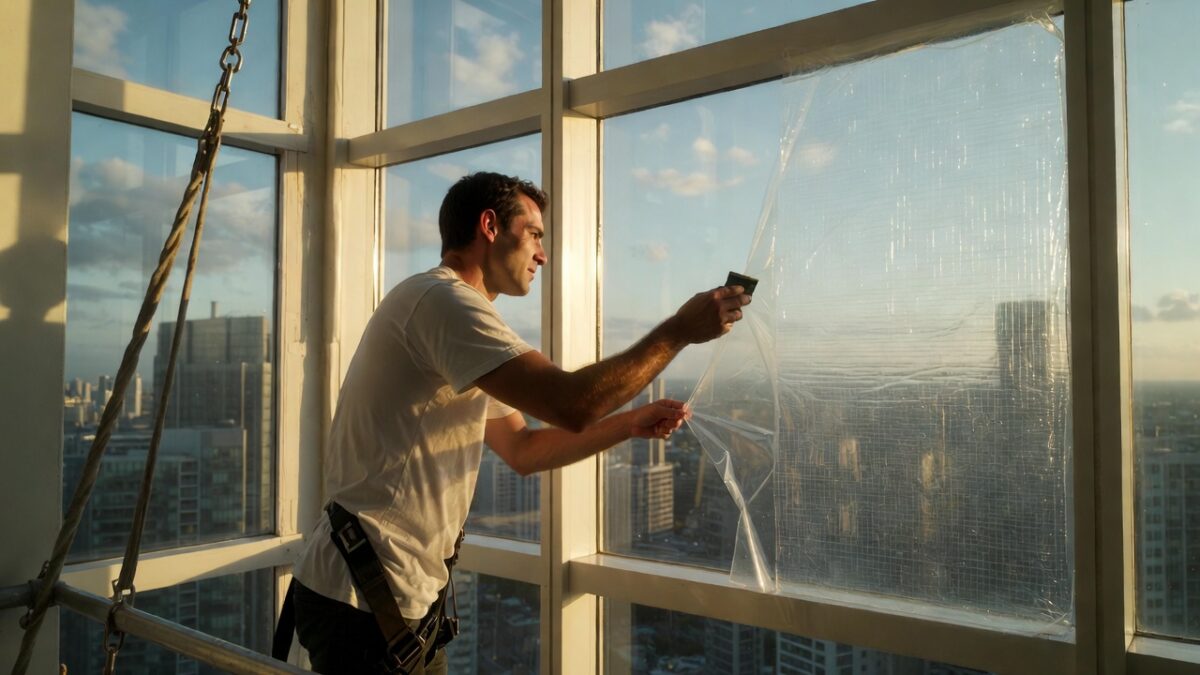
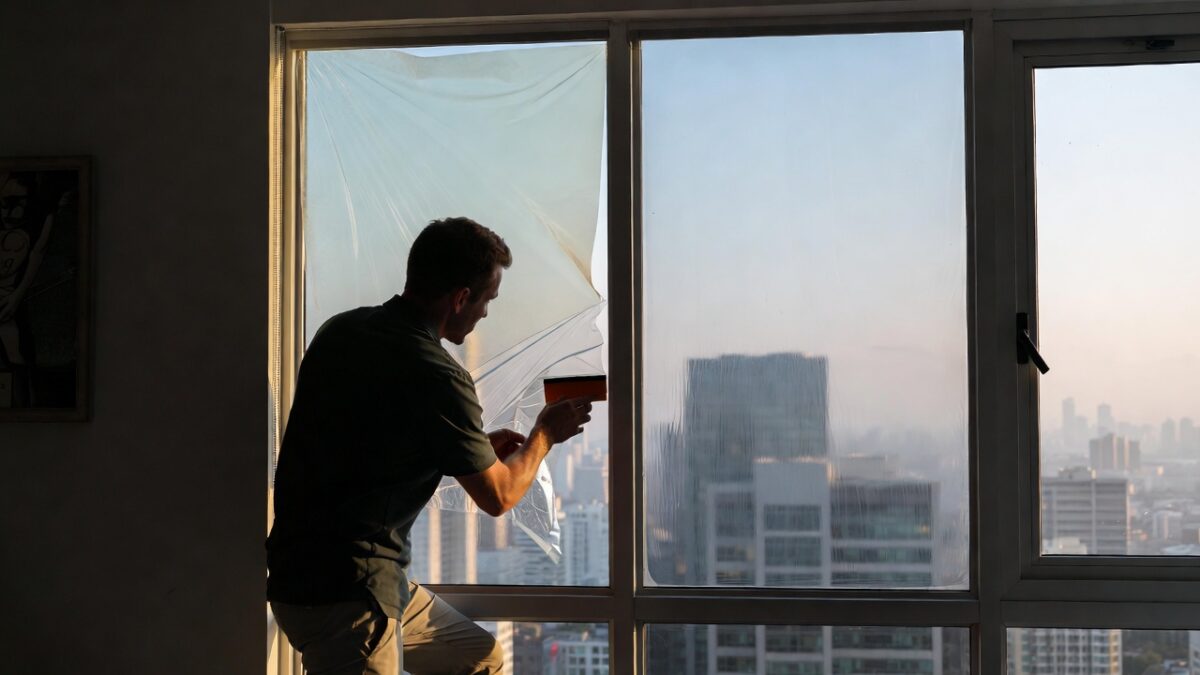
Professional installing window film in a home

by Sebastian Herrmann (https://unsplash.com/@herrherrmann)

Proper installation is crucial to ensure the effectiveness and longevity of your window tint. It’s recommended to hire professional installers who have experience and expertise in handling different types of films. They can ensure a flawless application and provide guidance on maintenance.

Professional Installation

Professional installers have the tools and skills necessary to apply window films without bubbles or creases. Their expertise ensures that the tint adheres properly, maximizing its performance and lifespan. They can also offer advice on selecting the right film for your needs and provide a warranty on their work, giving you peace of mind.

Maintenance Tips

Maintaining window tint is relatively simple. Regular cleaning with a mild detergent and a soft cloth will keep your windows looking pristine. Avoid using abrasive materials that can scratch the film. It’s important to follow the manufacturer’s care instructions to prevent damage and maintain the film’s appearance. Periodic checks can help identify any issues, such as peeling or discoloration, allowing for timely repairs.

Longevity and Care

With proper care, window tints can last for many years. Protecting them from harsh chemicals and excessive moisture will help preserve their condition. It’s also beneficial to educate household members about appropriate cleaning practices to avoid accidental damage. By investing in quality installation and maintenance, you’ll enjoy the benefits of window tinting for the long haul.

The Future of Residential Window Tint

As technology advances, we can expect even more innovations in window tinting. From films that generate electricity to those that offer enhanced insulation properties, the future of window tint is bright. Homeowners and interior designers alike will have more options to create energy-efficient, stylish, and comfortable living spaces.

Technological Innovations

Research and development in the field of window tinting are leading to exciting new products. Innovations such as photovoltaic films that harness solar energy are on the horizon. These advancements promise to further enhance energy efficiency and sustainability, making window tinting an even more attractive option for modern homes.

Sustainable Developments

As environmental concerns continue to grow, the industry is focusing on creating even more sustainable products. This includes developing films with lower environmental impact during production and disposal. The trend towards sustainability is likely to drive further innovation, resulting in products that are both environmentally friendly and highly effective.

Customization and Personalization

The future of window tinting will also see increased opportunities for customization. Advanced printing technologies may allow for bespoke designs tailored to individual tastes and preferences. This level of personalization will enable homeowners to create truly unique spaces that reflect their style and personality.

Conclusion

Residential window tinting is a versatile and valuable addition to any home. Whether you’re driven by aesthetic desires, energy savings, or privacy concerns, the latest trends in window tinting provide solutions that cater to all needs. By staying informed about new developments and choosing the right products, you can enhance your home’s comfort and style for years to come.

Window tinting not only improves the functionality and aesthetics of your home but also contributes to a more sustainable and energy-efficient lifestyle. As new technologies and trends emerge, the potential for window tinting to transform living spaces continues to grow. Embracing these advancements allows you to stay ahead of the curve and enjoy the numerous benefits that modern window tinting has to offer.

Categories
Window Tinting and Window Films

Residential Security Window Film Explained: How Window Films Protect Real Homes

Window films are now one of the most searched home safety upgrades in Toronto and across the GTA. Homeowners search for window films when they want stronger windows, better privacy, and fewer worries about break-ins or broken glass. Residential security window film is a type of window film designed to hold glass together when it cracks or shatters. It works with your existing windows and does not replace them.

Most people do not look up window films just for fun. Something usually happens first. A neighbour’s window gets smashed. A basement window breaks during a winter freeze. A patio door cracks after being hit. These moments push homeowners to find protection that feels simple and realistic.

This article explains how residential security window film fits into the larger category of window films, how it works in real Toronto homes, and why clear security film and tinted security film are being installed more often in Scarborough, North York, Etobicoke, and Vaughan.

The aim is clear. Explain window films in plain language and show how they work in everyday homes.

Where Residential Security Window Film Fits Within Window Films

Residential security window film is a thick window film installed on the inside surface of glass. It bonds to the glass and helps hold broken pieces together if the window cracks. Decorative window films change how glass looks. Solar window films reduce heat and glare. Security window film focuses on strength.

Without window films, glass breaks and falls apart fast. Sharp pieces spread across floors and furniture. With security window film, the glass cracks but stays attached to the film. This slows entry and reduces injury.

Many homeowners first learn about window films through general guides like this overview of window films. After that, they start asking more focused questions about safety and protection.

If you want a clear explanation focused on safety, this article breaks it down well: What are security window films.

In Toronto homes, security window films are commonly installed on:

  • Main floor windows facing the street
  • Basement windows near walkouts
  • Sliding glass doors
  • Side doors with glass inserts
  • Rear windows facing lanes or alleys

A homeowner near St. Clair and Warden had a basement window crack during a heavy spring rain. Water came in and glass spread across the floor. After installing clear security film, the same window cracked again the next year, but the glass stayed in place. Cleanup took less time and damage was lower.

How Clear and Tinted Security Window Films Actually Work

Window films work because film stretches while glass does not. Security window film uses layered polyester that absorbs impact and keeps glass together.

When impact happens:

  • The glass cracks
  • The film stretches
  • The broken glass sticks to the film

This delay matters. Many break-ins depend on speed and low noise.

Clear security window film

Clear security window film keeps the original look of the glass. It is popular in older Toronto homes where appearance matters. From the street, it is hard to see.

Homeowners in areas like Rosedale and The Beaches often choose clear security film because they want protection without tint or reflection.

Tinted security window film

Tinted security window film adds strength plus privacy and glare control. It is still a security window film, but it also reduces visibility from outside during the day.

Homes near busy roads like Yonge Street, Dufferin Street, or Kingston Road often use tinted security window film to reduce glare and street exposure.

Tinted window films can also reduce UV exposure. The Government of Canada explains how UV affects indoor spaces here: Government of Canada UV Index and sun safety.

If privacy is a main goal, this guide explains how window films help: privacy film options for doors and windows.

Window Films vs Window Replacement for Toronto Homeowners

Homeowners often compare window films with full window replacement. Replacement works, but it costs more and takes longer. Window films improve the glass you already have.

Security window film does not make glass unbreakable. It slows entry and controls how glass breaks.

A family in East York compared replacing eight windows versus installing security window film. Replacement quotes were high and scheduling took weeks. They chose window films and reinforced all main-floor windows in one day.

If you want a side-by-side explanation, this article breaks it down: window film vs full window replacement.

From a safety view, this guide explains why film helps without major changes: how safety films enhance window security.

Window films work best as part of a layered setup. Locks, lighting, and visibility still matter. The Insurance Bureau of Canada shares basic theft prevention tips here: Insurance Bureau of Canada theft prevention.

Choosing a Window Film Installer in Toronto and the GTA

Installation quality affects how long window films last and how well they perform.

Poor installs lead to peeling edges, bubbles, and weak bonding. That creates problems later.

A professional window film installer should:

  • Inspect the glass type
  • Recommend the right film thickness
  • Finish edges cleanly
  • Install without gaps

Toronto homes vary a lot. Brick homes near The Annex differ from newer builds in Milton or Oakville. Glass thickness and frame types change the install approach.

A homeowner in Pickering tried a DIY kit from a hardware store. It peeled within a year. They later removed it and hired a professional installer. The second install lasted and looked better.

If you want to see what proper installation looks like, this guide explains it step by step: security film installation steps.

Is Residential Security Window Film Worth It?

Most people do not search for window films until something triggers it. A nearby break-in. A cracked window. A close call.

Residential security window film makes sense when:

  • You want stronger glass without major renovation
  • You want less injury risk from broken glass
  • You want privacy without bars or shutters
  • You want a low-visibility solution

Clear security film works when appearance matters. Tinted security film works when privacy and glare control matter too.

Glass breaks. Window films help control what happens next.

Quick FAQ: Residential Security Window Film

Does residential security window film stop break-ins?
Residential security window film does not make glass unbreakable, but it slows entry by holding broken glass together.

What is the difference between clear and tinted security window film?
Clear security film keeps the original look of the window. Tinted security film adds privacy and glare reduction.

Can security window film be installed on existing windows?
Security window film installs on most existing residential glass after the glass type is checked.

Is security window film visible after installation?
Clear security film is barely visible. Tinted film changes appearance based on shade level.

How long do window films last?
High-quality window films often last 10 to 15 years when installed correctly.

Categories
Window Tinting and Window Films

Reasons to Choose Reflective Window Film

Reflective window film is an often-overlooked solution that can dramatically enhance both the appearance and functionality of any space. Whether you’re an interior designer looking to elevate a client’s environment or a homeowner seeking to improve comfort and efficiency, reflective window film offers numerous benefits.

In this article, we’ll explore the top reasons why reflective window film should be your go-to choice for window treatment, offering a balance of privacy, energy efficiency, and aesthetic appeal.

Privacy and security enhancement of reflective window film

One of the primary reasons homeowners and designers choose reflective window film is for privacy. This type of film is designed to allow you to see out while preventing others from seeing in, especially during daylight hours. This one-way visibility is perfect for maintaining privacy in homes, offices, or any space where discretion is desired.

Daytime Privacy

Reflective window film is particularly effective during the day, as the brighter side of the film becomes reflective, making it difficult for outsiders to see inside. This allows occupants to enjoy natural light without sacrificing privacy.

Added Security

In addition to privacy, reflective window film can also contribute to security. It can help hold glass together in the event of an impact, reducing the risk of injury from shattered glass. This makes it an excellent choice for both residential and commercial properties looking to enhance safety.

Improve Energy Efficiency

Energy efficiency with reflective window film

With rising energy costs, improving energy efficiency is a top priority for many homeowners and businesses. Reflective window film can play a crucial role in this effort by reducing heat gain and loss through windows.

Temperature Regulation

By blocking a significant amount of solar heat, reflective window film helps maintain a more consistent indoor temperature. This reduces the reliance on air conditioning during the summer and heating in the winter, leading to lower energy bills and a smaller carbon footprint.

UV Protection

Reflective window film also blocks up to 99% of harmful UV rays, which can cause fading and damage to furnishings, flooring, and artwork. By protecting these items from UV exposure, you can extend their lifespan and maintain the aesthetic appeal of your space.

Aesthetic Appeal

Reflective window film is not only functional but also stylish. It can enhance the appearance of any building, offering a sleek, modern look that complements various architectural styles.

Versatile Design Options

Reflective window film is available in a range of shades and finishes, allowing you to choose the perfect match for your design needs. Whether you prefer a subtle tint or a more pronounced reflective finish, there’s an option to suit every taste.

Complementary to Interior Design

For interior designers, reflective window film offers a versatile solution that can be seamlessly integrated into any design scheme. It provides a clean, uncluttered look that enhances natural light and complements other design elements.

Cost-Effective Solution

Reflective window film is a cost-effective alternative to more expensive window treatments or replacement windows. It offers a quick and easy installation process, with minimal disruption to your space.

Affordable Installation

Compared to other window treatments or upgrades, reflective window film is relatively inexpensive. It provides an affordable way to enhance the performance and appearance of your windows without the need for costly renovations.

Long-Term Savings

While the initial investment in reflective window film is modest, the long-term savings can be significant. By reducing energy consumption and protecting interior furnishings, the film can pay for itself over time.

Easy Maintenance

Reflective window film is easy to maintain and care for, making it a practical choice for busy homeowners and property managers.

Simple Cleaning

To keep reflective window film looking its best, regular cleaning with a soft cloth and mild soapy water is all that’s needed. Avoid abrasive cleaners or rough materials that could damage the film.

Durable and Long-Lasting

Reflective window film is designed to withstand the elements and maintain its performance over time. With proper care, it can last for many years, providing ongoing benefits and peace of mind.

Ideal for Various Applications

Reflective window film is suitable for a wide range of applications, making it a versatile choice for different types of buildings and projects.

Residential Use

For homeowners, reflective window film offers an easy way to enhance privacy, reduce energy bills, and protect furnishings. It can be applied to windows throughout the home, including bedrooms, bathrooms, and living areas.

Commercial Use

In commercial settings, reflective window film can improve comfort for employees and customers, while also reducing energy costs. It’s ideal for offices, retail spaces, and public buildings where privacy and temperature control are important.

Environmental Benefits

In addition to its practical advantages, reflective window film offers environmental benefits that contribute to a more sustainable future.

Reduced Energy Consumption

By minimizing the need for heating and cooling, reflective window film helps reduce energy consumption and greenhouse gas emissions. This contributes to a more sustainable and environmentally friendly building.

Support for Green Building Initiatives

For those pursuing green building certifications or initiatives, reflective window film can be an important component of your sustainability strategy. It helps improve the energy efficiency and environmental performance of your building.

Conclusion

Reflective window film is a versatile, cost-effective solution that offers numerous benefits for both residential and commercial properties. From enhancing privacy and security to improving energy efficiency and aesthetic appeal, it’s a valuable addition to any space.

Whether you’re an interior designer seeking to elevate your client’s environment or a homeowner looking to enhance comfort and efficiency, reflective window film is a smart choice. Explore the options available and discover how this innovative solution can transform your space today.

Categories
Window Tinting and Window Films

How Window Films Improve Home Security for Residential Properties

Window films are a common solution homeowners search for when they want safer windows without replacing glass. Residential security window films help hold broken glass together, reduce injury, and slow break-ins while keeping the same windows and frames.

Across many Canadian neighbourhoods, interest in window films increases after break-ins, winter storms, or damage to older glass. Security window film installs on existing windows and adds strength without major changes to the home.

Many homeowners start by learning the basics through resources like Introduction to Window Films before focusing on security options.

What Residential Security Window Films Are

Residential security window films are thick polyester layers applied to the inside of glass. The film bonds to the surface and helps keep broken pieces together after impact.

This type of window film does not stop glass from cracking. It changes how the glass reacts after it breaks. Instead of falling apart fast, the glass stays held in place longer.

Some homeowners mix up security window films with tint films. Tint helps with glare or shade. Security films focus on strength. Some window films combine both features.

Why Homeowners Use Security Window Films

Glass is often the weakest part of a home. Patio doors, basement windows, and front doors with glass inserts are common access points.

Security window films slow forced entry. Even a short delay can stop a break-in. Many intruders leave once resistance increases.

The film also reduces injury during accidents and storms. Broken glass stays together instead of spreading across floors.

Homeowners often read guides like what are security window films to understand how this protection works.

Where Security Window Films Are Installed Most

Not every window needs security film. Most homes focus on higher-risk areas.

  • Front doors with glass panels
  • Back doors and patio doors
  • Ground-floor windows
  • Basement windows near walkways
  • Garage access doors

These spots are easier to reach and often face weather stress.

How Window Films React When Glass Breaks

Untreated glass breaks fast and separates into sharp pieces.

With security window film installed, the glass cracks but stays together. This reaction is similar to how safety films enhance window security in residential homes.

Intruders need more time and effort to get through the glass. Many stop once progress slows.

Local Example: Older Row House

A homeowner in an older row house added security window film after several nearby break-ins. The home had large front windows close to the sidewalk.

Later that year, a thrown object cracked one window. The glass stayed in place. No entry happened. The owner replaced only the glass panel.

This type of damage is common in dense areas with street-facing windows.

Window Films Compared to Window Replacement

Replacing windows costs more and takes longer. Many homeowners compare window films over replacements when planning safety upgrades.

Security window films install faster and avoid changes to frames or trim. Most installations finish in one day.

For homes with solid frames but weak glass, film is often the better choice.

Why Professional Installation Matters

Security window film must bond correctly to work well. Poor installs can lead to peeling or weak edges.

Many homeowners choose professional window film installation to avoid early problems.

Installers clean the glass fully, apply the film evenly, and trim edges clean. This helps the film last longer.

Second Example: Winter Wind Damage

A family near Lake Ontario added security window film after strong winter winds cracked a living room window.

The glass broke inward but stayed together. No injuries happened. Cleanup was quick and simple.

Freeze and thaw cycles often cause this type of break in older homes.

How Long Security Window Films Last

Most residential security window films last between 10 and 15 years indoors.

The International Window Film Association explains that lifespan depends on film thickness, glass condition, and install quality.

Indoor installs last longer since they avoid moisture and heavy sun exposure.

Extra Benefits Homeowners Notice

After installation, many homeowners notice small added benefits.

  • Less glass noise during storms
  • Reduced UV fading on furniture
  • Slight privacy gain during daylight

Results depend on the film type used.

Window Films and Seasonal Comfort

Some security window films also block UV and heat. This helps keep rooms cooler in summer.

The U.S. Department of Energy explains how window films reduce heat gain and protect interiors.

Homes with large south-facing windows often notice better comfort.

Are Security Window Films a Smart Upgrade?

For homeowners who want safer glass without replacing windows, security window films offer a practical solution.

They change how glass behaves during impact and lower injury risk. Many homeowners value the added peace of mind most.

Frequently Asked Questions

What do residential security window films do?

Residential security window films hold glass together when it breaks and reduce injury or forced entry.

Do security window films stop break-ins completely?

Security window films do not stop break-ins fully, but they slow entry and add resistance.

Are security window films visible once installed?

Most residential security window films are clear and do not change window appearance.

Can security window films be installed on existing windows?

Security window films install directly onto existing glass without replacing windows.

How long do residential security window films last?

High-quality security window films usually last 10 to 15 years indoors.

Categories
Window Tinting and Window Films

Beginner s Guide to For Sale Privacy Tint For Home Windows

Modern home with tinted windows

In the quest to create a perfect living space, privacy and comfort are paramount. Installing privacy tint for home windows is an effective way to enhance both. This guide will walk you through everything you need to know about privacy window films, from their benefits to how to choose and install them.

Understanding Privacy Window Film

Privacy window film is a thin, self-adhesive layer applied directly to glass surfaces. It serves multiple purposes, such as enhancing privacy, reducing glare, and improving energy efficiency. These films come in various styles, from frosted and decorative patterns to reflective finishes, allowing homeowners to select a look that complements their interior design.

Benefits of Privacy Tint for Home Windows

  1. Enhanced Privacy: Privacy window films obscure the view into your home from the outside, without sacrificing natural light. This is particularly useful for ground-floor windows, bathrooms, and any other areas where privacy is a concern.
  2. Energy Efficiency: Tinting your windows can significantly reduce heat gain during summer and heat loss during winter. This translates to lower energy bills and a more comfortable living environment.
  3. Glare Reduction: By reducing glare, privacy films make it easier to watch television, work on computers, or simply relax without the discomfort of harsh sunlight.
  4. UV Protection: High-quality window films block up to 99% of harmful UV rays, protecting your furniture, flooring, and artwork from fading.
  5. Aesthetic Appeal: With a variety of designs and styles, window films can enhance the aesthetic of your home, adding a modern or decorative touch to your windows.

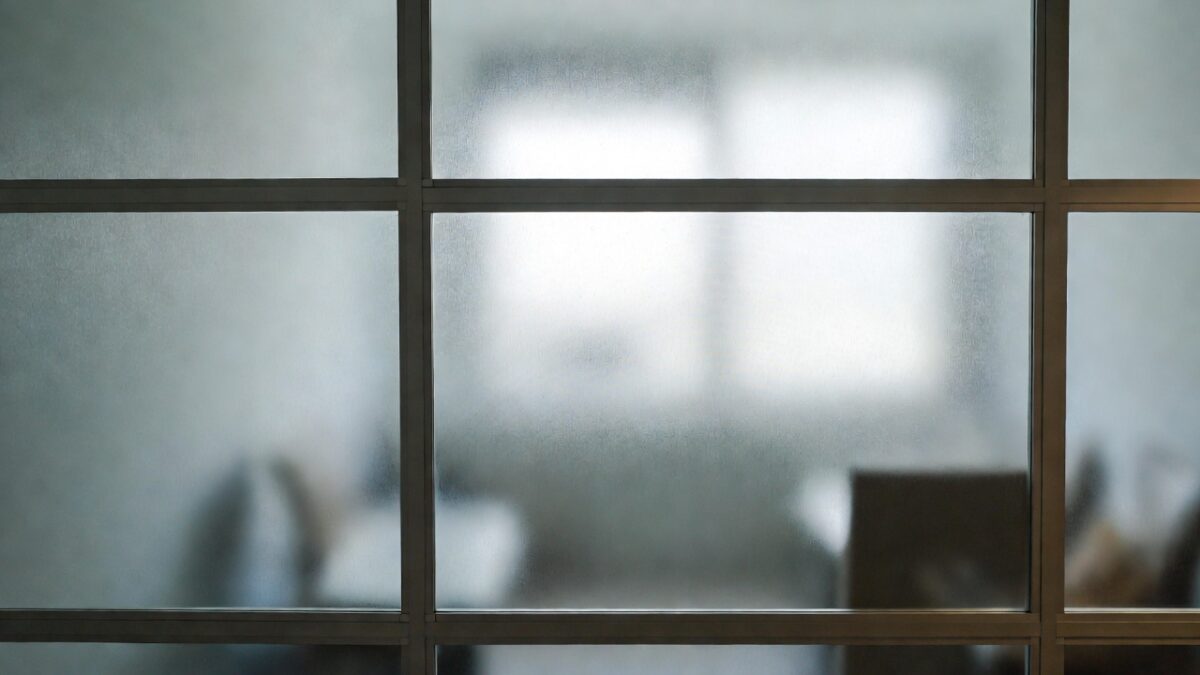
Close-up of a frosted window film

Choosing the Right Privacy Tint

Selecting the right privacy tint involves considering several factors to ensure it meets your needs and preferences.

Types of Privacy Window Films

  • Frosted Films: These provide a translucent appearance, allowing light to pass through while obscuring visibility.
  • Reflective Films: These offer a mirrored effect from the outside during daylight, providing privacy while maintaining visibility from the inside.
  • Decorative Films: Available in various patterns and colors, these films add a stylish element to your windows.

Factors to Consider

  1. Purpose: Determine what you need from your window film—privacy, energy efficiency, or aesthetic enhancement.
  2. Location: Consider where the film will be applied. Films used on bathroom windows may differ from those on living room windows.
  3. Light Transmission: Check the film’s light transmission level to ensure it allows enough natural light into your space.
  4. Durability: Look for films that are scratch-resistant and offer a warranty for peace of mind.
  5. Installation: Decide whether you want a DIY option or professional installation. Some films are easier to install than others, depending on their adhesive properties.

Installation Process

Once you’ve chosen the right film, it’s time to think about installation. While some films are designed for DIY installation, others may require professional help.

DIY Installation Steps

  1. Clean the Glass Surface: Thoroughly clean the window to remove any dust, dirt, or grease. This ensures proper adhesion of the film.
  2. Measure and Cut: Measure your window and cut the film to size, leaving a little extra to trim after application.
  3. Wet the Window: Lightly spray the window with a soapy water solution. This allows the film to be repositioned during installation.
  4. Apply the Film: Peel the backing off the film and carefully apply it to the wet window, starting from the top and working your way down.
  5. Smooth Out Air Bubbles: Use a squeegee to remove any air bubbles and excess water, working from the center outward.
  6. Trim Excess Film: Trim the edges of the film for a clean, professional finish.

Person installing window film

by Brandon Griggs (https://unsplash.com/@paralitik)

Professional Installation

For those who prefer not to tackle the installation themselves, hiring a professional is a wise choice. Professionals have the expertise and tools to ensure a flawless application, saving you time and effort.

Maintenance and Care

Caring for your privacy window film is straightforward. Here are a few tips to keep it looking its best:

  • Cleaning: Use a soft cloth or sponge with a mild soapy solution to clean the film. Avoid abrasive cleaners or tools that might scratch the surface.
  • Avoid Direct Impact: Be mindful of activities that could scratch or damage the film, such as playing with toys near the windows.
  • Regular Inspections: Periodically check the film for signs of wear or peeling and address any issues promptly.

Conclusion

Privacy tints for home windows offer an array of benefits that enhance your living space’s comfort, efficiency, and aesthetic appeal. Whether you opt for a DIY installation or hire a professional, these films are a smart investment for any homeowner seeking to improve their home environment.

By understanding the types of films available and considering your specific needs, you can select the perfect privacy tint to complement your home’s design and lifestyle.

Categories
Window Tinting and Window Films

Commercial Window Films in Canada: Safety Rules, Real Risks, and What Businesses Need to Know

If you are searching for window films in Toronto, chances are you are not just browsing. Most business owners look into window films after something happens. A smashed storefront. A cracked glass door. A staff member nervous about closing late. These problems show up a lot across Toronto and the GTA, especially in areas with foot traffic and street-facing glass.

Window films are often sold as a comfort or privacy upgrade, but for commercial buildings they also play a safety role. In Canada, glass safety connects to building rules, insurance pressure, and everyday risk. When glass breaks, people can get hurt and business can stop fast. That is why more Toronto businesses now add window films before trouble hits.

This guide explains how window films, including security-focused window films, fit into commercial safety expectations in Canada. It also shares how real businesses around Toronto and the GTA use them in normal spaces, not just new builds or big towers.

How Commercial Window Film Rules Work in Canada

Canada does not have one simple law that says every business must install security window films. This causes confusion. Some owners think no rule means no duty. That idea often leads to problems later.

In Ontario, commercial buildings follow the Ontario Building Code. The code focuses on safety when glass breaks. Storefronts, doors, office glass, and public-facing panels should reduce injury risk if they fail.

This is where window films come in.

Plain glass breaks sharp and fast. Shards fall. People get cut. In retail shops, clinics, gyms, and offices, this can cause panic, claims, and closures. Security window films are made to hold broken glass together. They do not stop cracks. They control how glass fails.

Most expectations around security window films come from:

  • Building safety rules
  • Safety glazing standards
  • Insurance risk policies
  • Workplace safety rules
  • Property manager guidelines

Many Toronto landlords do not say “install security film.” They say “reduce glass hazard” or “limit damage risk.” Window films handle this without replacing glass.

If you want a simple product explanation, this page helps: What Are Security Window Films.

How Window Films Help With Safety and Liability

Most Toronto business owners add window films after a close call. A break-in on the same block. A cracked door panel during cleaning. A staff injury scare while sweeping glass.

Once glass breaks, the questions are basic.

  • Was the glass protected?
  • Was the risk known?
  • Could damage have been reduced?

Security window films help answer these questions.

When installed properly, window films keep broken glass in place. This matters in storefronts, glass doors, office partitions, and waiting rooms.

In downtown Toronto, North York, Mississauga, and Brampton, many buildings still use older glass. It met code years ago. It still fails the same way today. Window films add protection without changing the glass itself.

Insurance companies often see security window films as damage control. They do not replace alarms or locks. They slow entry and limit mess.

Where Commercial Window Films Are Used Most in Toronto

Security window films show up most in places with street exposure and public access.

Across Toronto and the GTA, they are common in:

  • Retail storefronts
  • Medical clinics and pharmacies
  • Office entrances
  • Schools and daycares
  • Restaurants with street-facing glass

In Etobicoke and Vaughan, plaza owners pushed glass protection after repeat smash-and-grabs. In Scarborough, several strip malls added window films after winter break-ins picked up.

Ground-level glass, corner units, and buildings near transit stops face higher risk.

Toronto Police also suggest physical barriers that slow entry. Their guidance supports this approach: Toronto Police break-and-enter prevention.

Window Films Compared to Full Glass Replacement

Replacing commercial glass costs time and money. Large panes in Toronto can take weeks to arrive. During that wait, stores board up windows. Customers hesitate. Staff feel uneasy.

Window films change how damage happens.

Many businesses use window films to:

  • Extend glass life
  • Reduce repeat replacements
  • Limit downtime after break-ins

When glass with window film breaks, it often stays in place. The opening stays more sealed. Clean-up is faster.

Window films do not make glass unbreakable. They buy time.

If you are weighing options, this comparison explains the difference: Tinted Window Film vs Full Window Replacement.

For national safety guidance, Canada publishes building code info here: Codes Canada publications.

Why Proper Installation Matters for Window Films

Not all window film installs perform the same.

Security window films need clean prep, even pressure, and solid edges. Poor installs fail early. Film peels. Corners lift. This happens more than people think.

A professional installer understands:

  • Local glass types
  • Correct cleaning steps
  • Film thickness choices
  • Edge finishing

Security window films are not decorative films. They behave different and need careful handling.

For planning tips and common mistakes, read: Key Considerations When Installing Window Films.

Local Case: Bakery Near Danforth Avenue

A small bakery near Danforth Avenue replaced its front window twice in one year. Both breaks happened late at night.

After the second repair, the owner added security window films.

Months later, another attempt happened. The glass cracked but stayed together. Entry failed. The bakery opened the next morning without boarding.

Another Case: Office Building in Markham

An office building in Markham added window films after a glass stairwell panel shattered during a cold snap and nearby road work.

No break-in happened. The film held the glass together. No injuries. No emergency shutdown.

Seasonal Problems That Push Businesses Toward Window Films

Toronto winters stress glass. Cold snaps, traffic vibration, and nearby construction add pressure. Summer brings foot traffic and higher vandalism risk.

Window films help year-round by holding glass during impact and lowering injury risk.

For Ontario guidance on glass safety, see: Ontario Building Code overview.

Choosing the Right Window Films for Commercial Buildings

Not all window films suit commercial spaces.

Most businesses need thicker films, clear views, and long service life.

A good installer reviews location, glass size, and risk before suggesting film.

Window Films as Part of a Simple Security Plan

Window films work best with alarms, lighting, and cameras. They slow entry and reduce damage.

Final Thoughts for Toronto Business Owners

Window films are not just cosmetic upgrades. For many Toronto and GTA businesses, they solve real safety problems.

They reduce glass injury risk. They limit break-in damage. They support building expectations without major renovation.

Most owners add window films after glass breaks. A calmer move is adding them before cleanup day.

If you are already searching for window films, you are likely closer to that decision than you think.