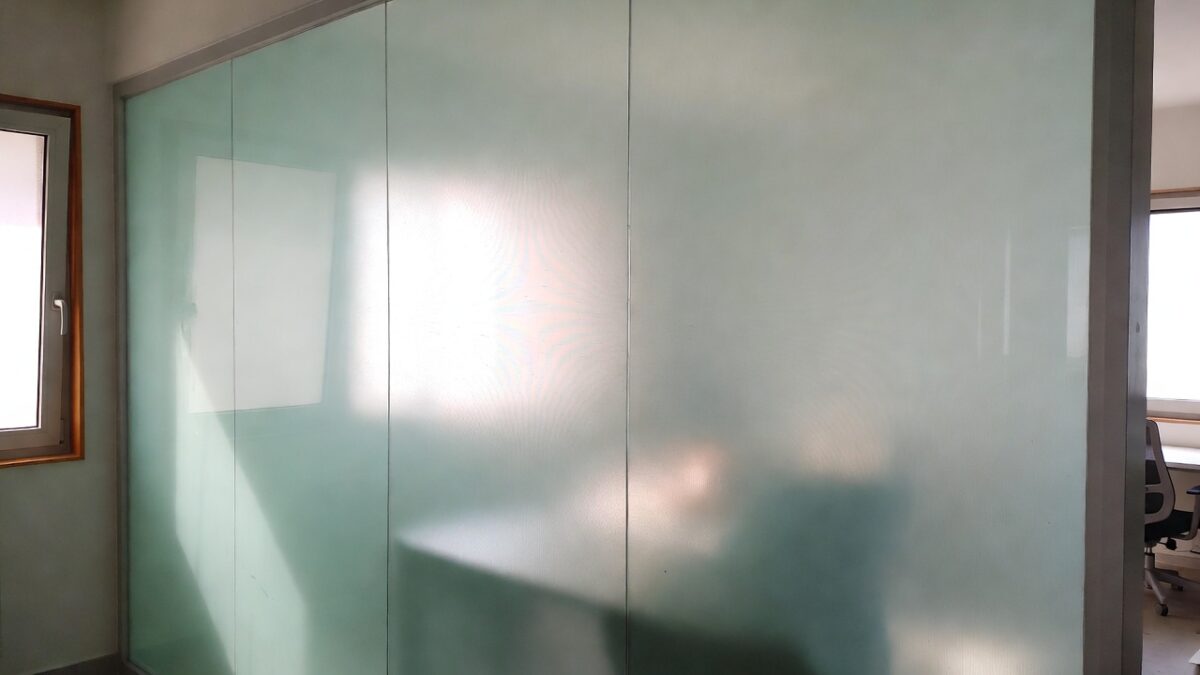
Window films are one of the most searched upgrades for medical clinics in Toronto and across the GTA. When people search for window films, they are usually trying to fix a glass problem. Too much glass. Clear sightlines. People feeling watched. In healthcare, that turns into patient discomfort fast. Staff see it. Patients feel it. Even people walking by notice it.
Medical clinics use window films because they fix privacy issues without blocking daylight or changing the layout. No walls. No permits. No dust. Just a thin layer added to the glass that changes how the space works.
This article explains how window films are used in medical and healthcare clinics, why privacy window films matter so much, and how clinics in Toronto rely on window films every day to solve real problems.
What Window Films Are and Why Clinics Choose Them
Window films are thin sheets installed directly onto glass. Once applied, the glass behaves differently. Some window films reduce glare. Some add strength. Some block views. In healthcare settings, privacy window films are the most common choice.
Clinics turn to window films to deal with problems like:
- Patients feeling exposed during exams
- Glass doors facing busy hallways
- Waiting rooms visible from the sidewalk
- Shared treatment areas with no visual breaks
Most medical clinics install window films on the inside of the glass. That protects the film from winter salt, moisture, and heavy cleaning. Once installed, window films stay in place. They do not move or collect dust like blinds.
If you want a simple overview of film options, this introduction to window films explains the basics without heavy language.
How Privacy Window Films Work in Healthcare Spaces
Privacy window films work by diffusing light. Clear images cannot pass through the glass. People on the other side see light or soft shapes, not faces or details.
This changes how patients feel almost right away. When people know they cannot be seen, they relax more. Even if sound travels, visual privacy changes the room.
Common privacy setups used in Toronto clinics include:
- Full frosted window films on exam room doors
- Partial frosting with clear bands for staff
- Patterned window films in physio spaces
- Privacy films on street-facing windows
A clinic near Yonge and St. Clair had exam rooms facing a main hallway. Staff taped paper over the glass for months. Patients complained often. Frosted window films were installed in one morning. The paper came down. Complaints stopped.
If you want a clear layout guide, this article on privacy window films shows how clinics plan privacy step by step.
Why Privacy Window Films Matter in Medical Clinics
Retail spaces want visibility. Offices want light. Medical clinics need privacy first.
Healthcare involves exams, private talks, and stressful moments. Clear glass works against that. Window films solve the problem without changing how the clinic functions.
Clinics in Ontario also have legal duties tied to patient privacy. Window films are not policies, but they help reduce accidental exposure. The Personal Health Information Protection Act (PHIPA) explains what healthcare providers must protect.
A walk-in clinic near Scarborough Town Centre received complaints from patients who felt visible from outside. Frosted window films were added to the front windows. The layout stayed the same. Complaints stopped.
Many clinics also report calmer waiting rooms after window films are installed. People feel less watched. Less tension. Fewer awkward stares.
Where Window Films Are Installed in Toronto Clinics
Every clinic is different. Older downtown buildings often have wired glass and tight hallways. Newer clinics in Vaughan or Markham tend to have full glass fronts.
Window films are most often installed in:
Exam Rooms
Doors, sidelites, and interior windows. Full privacy or partial coverage based on staff workflow.
Waiting Areas
Street-facing glass gets frosted or patterned so patients can sit comfortably.
Reception Areas
Glass barriers stay open and friendly but less exposed.
Treatment Zones
Physio and rehab clinics use decorative window films to separate spaces without walls.
We have installed window films near Liberty Village, North York Centre, Square One, and Vaughan Metropolitan Centre. The same privacy issues show up across the city.
If you want to understand how window films behave on different glass types, this article on installing window films explains common problems clinics face.
Types of Window Films Used in Healthcare Settings
Not all window films do the same job. Clinics usually focus on function first, then looks.
Frosted Window Film
The most common choice. Blocks views. Keeps natural light. Easy to clean.
Decorative Window Film
Used for branding or soft separation. Logos and patterns are common.
One-Way Window Film
Used on exterior glass. Blocks views during the day. Less effective at night.
Security Window Film
Used in some clinics for added glass strength. Different goal than privacy.
This overview of types of window films explains the differences in plain language.
Window Films Compared to Blinds or Glass Replacement
Blinds seem cheap at first. Then they break. They collect dust. They stop closing right.
Glass replacement costs more than most clinics expect. Permits. Noise. Downtime.
Window films sit in the middle. Lower cost. Faster install. Less disruption.
Many clinic owners compare film and replacement directly. This breakdown of window films over replacements explains why film often makes more sense.
Most clinics stay open during installs. Work happens early mornings or weekends. Patients are not cancelled.
Case Example: Downtown Toronto Family Health Clinic
A family clinic near Dundas West had floor-to-ceiling glass facing the sidewalk. Patients felt uneasy during visits. Curtains blocked too much daylight.
Frosted window films were installed with a clear strip near the top. The clinic stayed bright. Privacy improved. Staff stopped adjusting curtains all day.
Case Example: Vaughan Specialist Office
A specialist office in Vaughan shared hallways with other tenants. Doors opened often. Patients felt exposed.
Partial frosted window films were installed on doors and sidelites. Staff could still see movement. Patients felt more comfortable.
Common Questions Clinics Ask About Window Films
Do window films make rooms dark?
Most privacy window films diffuse light. Rooms stay bright.
Do window films peel?
Installed properly, they last many years.
Are window films easy to clean?
Yes. Standard glass cleaners work fine.
Can window films be removed later?
Yes. Removal does not damage the glass.
If clinics think about doing it themselves, this comparison of DIY vs professional window film installation explains common mistakes.
Why Clinics in Toronto Choose Professional Window Film Installation
Healthcare spaces cannot risk bubbles, peeling edges, or crooked lines. Patients notice small details fast.
Professional installers prep glass, manage moisture, and cut clean edges. That work matters more than most people think.
For patient privacy rights in Ontario, the Information and Privacy Commissioner of Ontario explains privacy rules clearly.
The Government of Canada’s health information privacy page also explains patient privacy at a national level.
Window Films for Medical Clinics in Toronto and the GTA
Window films are not a trend. They solve real clinic problems every day.
If your clinic feels too open, if patients seem uneasy, or if staff keep adding quick fixes, window films are worth a closer look.
Clinics in Toronto, North York, Scarborough, Mississauga, Vaughan, Markham, and across the GTA use window films because they work.
If you want to explore privacy, decorative, or safety options, start with Tintly Window Films. Working with installers who understand medical spaces makes a real difference.
Glass will always be part of modern healthcare. Window films help make it usable.