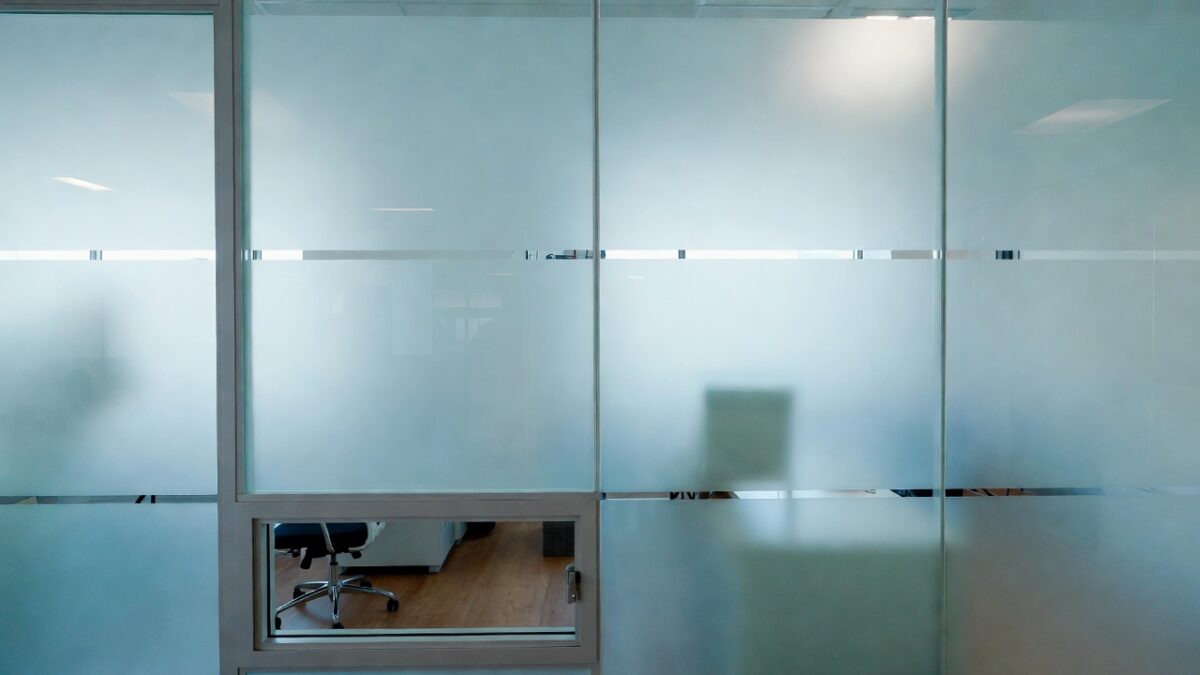
Window films are now a practical choice for interior design projects that use a lot of glass. Designers, builders, and local business owners use window films to handle privacy, glare, and layout problems without changing windows or doors. In Toronto and the GTA, many homes and commercial spaces rely on glass walls, large windows, and open layouts, which makes window films useful year round.
Glass looks modern, but real life use brings issues fast. Sun glare hits screens in offices. Neighbours see inside condos. Customers feel exposed in shops and cafés. Decorative window films help adjust these spaces after they are built. That is why window films are often chosen for quick updates with less mess and lower cost.
How Window Films Work in Interior Design
Decorative window film is a thin layer that sticks to glass. It changes how glass looks and how people see through it. Designers apply it to interior windows, doors, partitions, and sidelights.
Many projects already rely on window films for comfort and privacy. Decorative window films focus more on style, but they still help manage light and visibility during daily use.
Some films create a soft blur. Others add lines, textures, or light patterns. Designers choose film based on how open the space should feel and how much light needs to stay.
Why Designers and Business Owners Choose Window Films
Decorative window films install on existing glass. This saves time and avoids major work. No walls come down. No new glass needs ordering.
This helps a lot in leased spaces. Offices in downtown Toronto often need privacy after move-in. Film creates meeting rooms fast. Retail shops use film to hide storage areas while keeping daylight. Homeowners use film when blinds feel bulky or hard to clean.
Film also works well in older homes. Many Toronto houses have mixed window sizes. Replacing glass costs more. Film fits what is already there.
Common Interior Design Uses for Window Films
Decorative window films show up in many interior layouts:
- Office glass walls and partitions
- Conference rooms
- Bathroom and shower windows
- Glass doors and sidelights
- Retail interior glass panels
Designers often look at decorative window film ideas when a space needs both light and separation.
Frosted Window Films and Patterned Designs
Frosted finishes remain one of the most used decorative styles. They block direct views while still letting light pass.
Designers often use frosted window film in bathrooms, clinics, and office meeting rooms. Patterned designs add detail without heavy graphics.
In condos, frosted film blocks views from nearby buildings. In offices, it helps staff feel less watched while seated. Rooms stay bright, which helps mood and focus.
Custom Window Films for Branding and Direction
Some interior spaces need more than a plain finish. Gyms, clinics, and shared offices often use custom window films with logos or repeating shapes.
A Toronto dental clinic added custom decorative film to hallway glass. The pattern guided patients and blocked views into treatment rooms. Staff said foot traffic felt smoother after the change.
Custom films also help landlords. When tenants change, the film can change too. No glass replacement is needed, which saves time and cost.
Types of Window Films Used Indoors
Decorative films sit within a larger group of glass treatments. Designers compare finish, opacity, and texture before choosing.
Looking at the types of window film helps match design goals with daily use. Some decorative films also soften harsh sun or reduce glare.
In south-facing rooms, designers sometimes mix decorative film with light heat control to reduce afternoon glare.
Residential Interior Example From the GTA
Decorative window films work well in homes. Toronto semis and row houses often sit close together. Side windows can feel exposed.
A homeowner in Scarborough added decorative film to a stairwell window. The film blocked views from a neighbour’s yard but kept daylight. The install took a few hours. Curtains were removed after.
Some homeowners mix decorative film with tinted glass to keep a clean look across rooms.
Commercial Office Case Study
A small tech office near King Street had glass walls and strong west sun. Staff complained about glare on screens, mostly in winter.
The office added decorative window film with thin horizontal lines. Glare dropped. Privacy improved. The space stayed open and bright.
No walls were built. The layout stayed flexible for future growth. Staff feedback improved within days.
Retail Space Example
A bakery in Etobicoke faced a busy street. Customers sitting near the window felt exposed.
The owner added patterned decorative film at seated eye level. Customers stayed longer. Light still filled the space. The owner said afternoon seating felt calmer.
Installation Quality and Care
Interior window films need clean edges and smooth lines. Poor install shows fast.
Many designers suggest professional installers to avoid bubbles, rough cuts, and peeling corners. Clean work protects the design.
Cleaning also matters. Hard tools scratch film. Soft cloths help films last longer.
Seasonal and Local Factors
Toronto summers bring strong sun through glass offices and condos. Decorative window films soften light without dark rooms.
In winter, low sun angles cause glare in offices and clinics. Film diffuses light and reduces eye strain.
Older brick homes with newer windows often use film to balance modern glass with classic interiors.
Helpful External Resources
Design inspiration and planning ideas often come from outside the local market.
Interior glass and layout trends appear on Architectural Digest, which covers modern design and materials.
Professional interior design standards and space planning guidance appear on ASID, which supports designers and firms.
Frequently Asked Questions
What are decorative window films used for in interior design?
Decorative window films add visual detail to glass while controlling privacy and light. Designers use them on doors, partitions, and windows.
Can decorative window films replace frosted glass?
Decorative window films give a similar look at lower cost. They remove without changing the glass.
Are window films good for offices?
Window films work well in offices and clinics. They improve privacy and keep daylight.
Do decorative window films block light?
Most decorative window films allow light through. Light levels depend on pattern and opacity.
How long do decorative window films last indoors?
Indoor decorative window films often last 10 to 15 years. Cleaning habits affect lifespan.