As summer temperatures soar, finding effective ways to keep your home cool becomes a priority. One often overlooked yet highly effective solution is the use of window films. These films are not only practical but also offer a variety of benefits, from energy efficiency to UV protection. This guide will walk you through everything you need to know about using window films for summer cooling.

Window films are thin laminates installed on glass surfaces, such as windows or glass doors. They come in various types, including reflective window films, UV protection tints, and decorative options. Each type serves different purposes, but their primary goal is to enhance the performance and appearance of your windows.
Types of Window Films
- Reflective Window Film: These films have a mirror-like finish on the outside and are excellent for reducing solar heat gain. They reflect sunlight away from your windows, keeping the interior cooler.
- UV Protection Tint: This type of film blocks harmful UV rays, which can cause furniture and flooring to fade. It’s a great option if you’re concerned about protecting your interior decor while also keeping your home cool.
- Decorative Window Films: While primarily used for aesthetic purposes, these films can also provide some degree of heat reduction. They come in various patterns and colors to match your interior design.
Benefits of Window Films for Summer Cooling
Energy Efficiency
One of the most significant advantages of window films is their ability to improve energy efficiency. By reflecting or absorbing solar radiation, window films help maintain a consistent indoor temperature, reducing the need for air conditioning. This can lead to substantial savings on energy bills, especially during the sweltering summer months.
Enhanced Comfort

Window films can significantly enhance the comfort of your home. By minimizing the amount of heat entering through windows, these films help maintain a cooler indoor environment. This not only makes your living space more comfortable but also reduces the strain on your air conditioning system.
UV Protection
UV rays can be damaging to both your health and your home’s interior. Prolonged exposure to UV radiation can lead to skin issues and accelerate the fading of furniture, carpets, and artwork. UV protection tints block up to 99% of these harmful rays, safeguarding your skin and preserving your home’s furnishings.
Glare Reduction
Bright sunlight can cause glare on screens, making it difficult to watch TV or work on a computer. Window films reduce glare, allowing you to enjoy natural light without the discomfort of excessive brightness.
How to Choose the Right Window Film
When selecting window films, consider the following factors:
- Purpose: Determine what you want to achieve with the window film. Are you looking for privacy, UV protection, energy savings, or a combination of these?
- Visibility: Decide how much visibility you want from both the inside and outside. Reflective films offer privacy during the day, while clear UV tints allow for unobstructed views.
- Aesthetic Appeal: Consider the design and color options available. Decorative films can add a unique touch to your home’s interior.
- Budget: Window films come in a range of prices. It’s essential to find a product that fits your budget while offering the desired benefits.
Installation Process

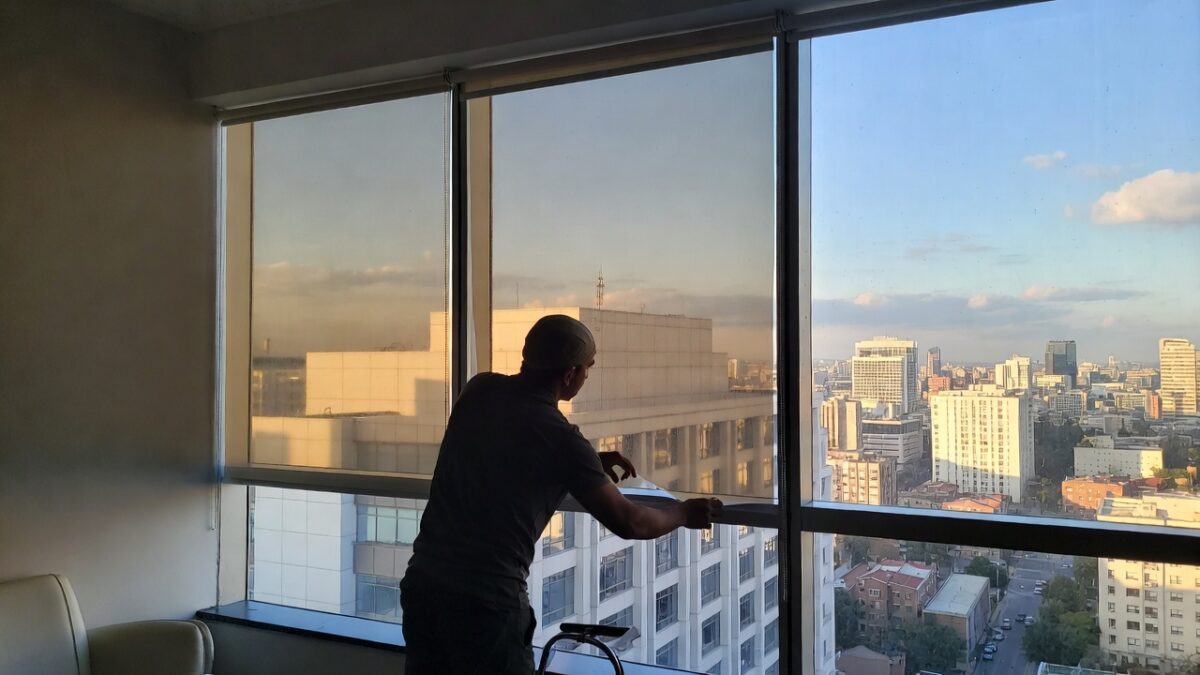
by Dzmitry Biahanski (https://unsplash.com/@biahanski)
Installing window films is a straightforward process, but it requires precision and care to ensure a bubble-free finish. While DIY kits are available, professional installation is recommended for the best results. Professionals have the expertise and tools necessary to apply the film smoothly and efficiently.
Steps for Professional Installation
- Consultation: A professional will assess your needs and recommend the best type of film for your home.
- Preparation: The windows are cleaned thoroughly to ensure a smooth application.
- Application: The film is carefully measured, cut, and applied to the glass surface.
- Finishing Touches: Any excess film is trimmed, and the edges are sealed to prevent peeling.
Maintenance and Care
Once installed, window films require minimal maintenance. To prolong the life of your window films, follow these simple care tips:
- Cleaning: Use a soft cloth or sponge with mild soapy water to clean the films. Avoid abrasive materials or harsh chemicals that could scratch or damage the film.
- Inspection: Regularly check for signs of peeling or bubbling and address any issues promptly to maintain the film’s effectiveness.
Conclusion
Window films are an excellent investment for anyone looking to keep their home cool during the summer months. They offer numerous benefits, including energy efficiency, UV protection, and enhanced comfort. By choosing the right type of film and ensuring proper installation, you can enjoy a cooler, more comfortable home while also protecting your interior from sun damage.
Whether you’re an interior designer seeking cost-effective solutions for your clients or a homeowner looking to enhance your living space, window films provide a practical and stylish option. Consider integrating them into your summer cooling strategy and experience the difference they can make.