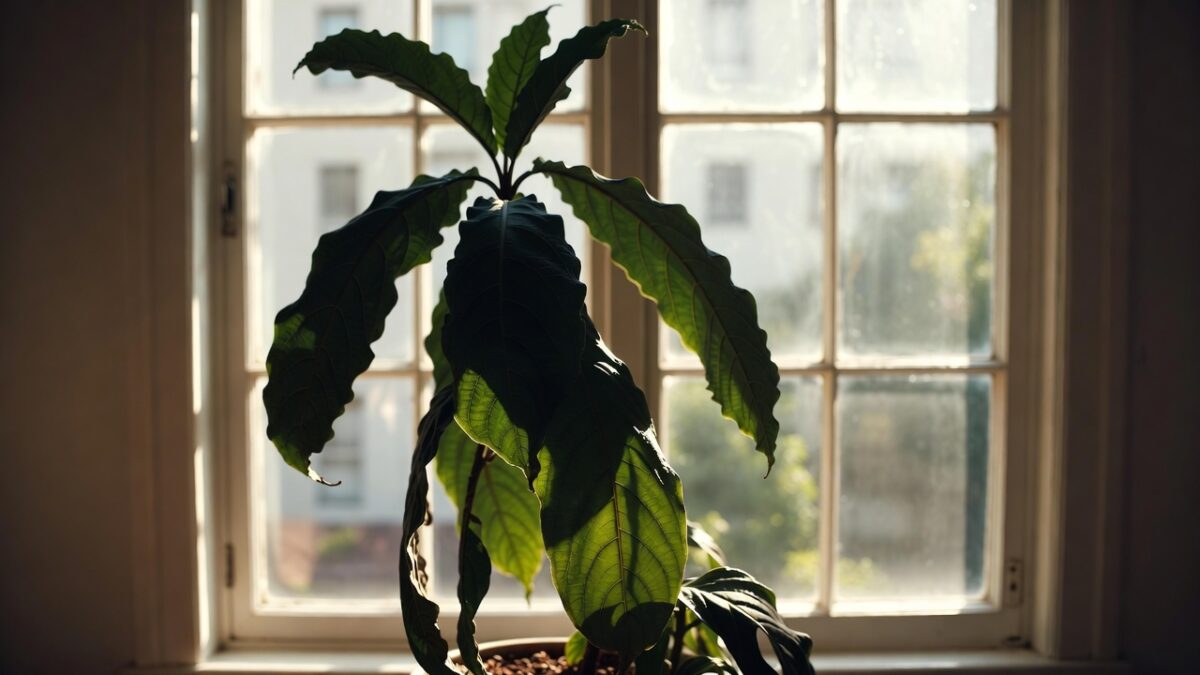
# Do Window Films Impact Indoor Light for Houseplants
When it comes to enhancing your home’s aesthetics and energy efficiency, window films are a popular choice. However, if you’re an indoor plant enthusiast, you might wonder how these films affect your green friends. Let’s dive into the world of window films and explore their impact on indoor light for houseplants.

Window films are thin layers of polyester or similar materials applied to glass surfaces. They serve various purposes, including UV protection, glare reduction, and improving energy efficiency. By filtering sunlight, they help maintain a comfortable indoor temperature and protect furnishings from fading.
Types of Window Films
There are several types of window films, each designed to meet specific needs:
- Solar Control Films: These films reduce heat and glare, making your home more comfortable.
- Decorative Films: They add privacy and style without blocking light entirely.
- Security Films: Designed to strengthen glass, these films enhance safety.
- UV Protection Films: These films block harmful ultraviolet rays, safeguarding your interiors.
How Do Window Films Impact Indoor Light?
Window films can alter the amount and quality of light that enters a room. While they can be beneficial in many ways, it’s essential to understand their effects on your houseplants.
Light Intensity and Spectrum
Houseplants need light for photosynthesis, the process by which they produce food. Window films can reduce light intensity, which might affect plants that require bright light. However, most films are designed to block UV rays while allowing visible light through, which is essential for plant growth.

Temperature Regulation
By reducing heat gain, window films help maintain a consistent temperature indoors. This can prevent overheating, which can stress plants and lead to dehydration. However, in winter, reduced heat might mean your plants need extra warmth.
UV Protection for Plants
While UV rays can be harmful to humans and furnishings, they also play a role in plant health. Some plants may benefit from a small amount of UV exposure, but too much can be damaging. Window films that block excessive UV light can therefore protect delicate plants.
Choosing the Right Window Film for Plant Health
When selecting window films, consider your plants’ specific light needs. Here are some tips to ensure your plants thrive:
Assess Your Plants’ Needs
Different plants require varying light levels. For instance, succulents and cacti thrive in bright, direct light, while ferns and snake plants prefer indirect light. Understand your plants’ requirements before choosing a film.
Opt for Adjustable Solutions
Consider films that offer adjustable light control. Some films allow you to tweak the amount of light filtering through, providing flexibility for different seasons and plant types.
Experiment with Placement
Not all windows need films. You might choose to leave certain windows uncovered or use films selectively to balance plant needs and energy efficiency.
Benefits of Window Films Beyond Plant Care
While your primary concern might be your plants, window films offer additional benefits:
Energy Efficiency
By reducing the need for heating and cooling, window films can lower energy bills. This eco-friendly solution helps create a more sustainable living environment.
Enhanced Privacy and Security
Decorative films offer privacy without sacrificing light, and security films protect against break-ins and accidents, adding an extra layer of safety.
Preservation of Interiors
UV protection films prevent fading of furniture, flooring, and artwork, extending the life of your interior decor.
Practical Tips for Balancing Window Films and Plant Care
Here are some practical tips to ensure your plants remain healthy alongside your window films:
Monitor Plant Health
Regularly check your plants for signs of stress, such as wilting or yellowing leaves. Adjust their position or the film type if necessary.
Supplement with Grow Lights
In areas where natural light is insufficient, consider using grow lights. These lights mimic sunlight and can help support plant growth in low-light conditions.

by brbrihan__ (https://unsplash.com/@rihand)
Seasonal Adjustments
During winter, the angle of the sun changes, affecting light availability. You might need to adjust window coverings or supplement with artificial light during darker months.
Conclusion
Window films are a valuable addition to any home, offering energy savings, UV protection, and enhanced privacy. For indoor plant lovers, understanding the impact on light is crucial. By choosing the right films and monitoring plant health, you can create an environment where both your plants and your home can thrive.
With the right balance, window films can enhance your living space without compromising your plant care routine. Whether you’re an interior designer or a homeowner, these solutions provide stylish, eco-friendly options that cater to both aesthetic and practical needs.