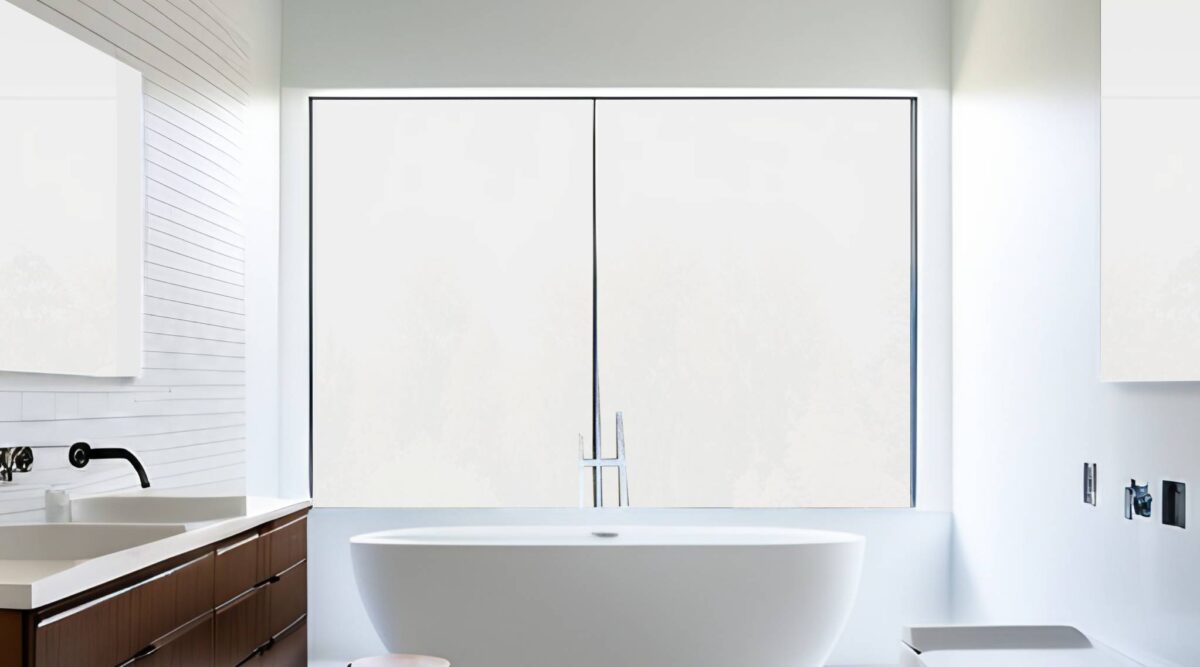
Window films are now one of the most searched home upgrades in Toronto, especially for privacy issues that show up every single day. People look up window films when bathrooms feel exposed, when entryways feel open at night, and when curtains or blinds start to feel like a bad fix. Frosted window film keeps coming up because it solves privacy problems without blocking light or changing the glass.
Across Toronto and the GTA, the layout of homes makes privacy tricky. Older houses sit close together. Bathroom windows face other windows. Front doors include glass panels. Condos back onto shared walkways. Once the lights turn on, privacy drops fast. Window films give people a way to fix that without renovations.
This article explains how frosted window film works, why it is one of the most used window films for bathrooms and entryways, and when it makes sense to use it. The goal is simple. Clear answers for real homes, not marketing talk.
How Frosted Window Film Fits Into Modern Window Films
Frosted window film is a type of privacy film applied directly to existing glass. It changes how light passes through the window. Light still enters the space. Clear views do not.
Within the window films category, frosted film behaves differently than dark tint or reflective film. It does not rely on outdoor brightness. It blocks views the same way during the day and at night.
This is why frosted window film works well in bathrooms and entryways. These spaces need privacy all the time. Curtains need adjusting. Blinds get dusty. Window films stay fixed.
In older Toronto homes near East York and Danforth, bathroom windows often sit only a few feet from the next house. Frosted film blocks direct sight lines without making the room feel closed in.
Entryways face the same problem. Front doors with glass inserts look good during the day. At night, indoor lighting flips the view. Frosted window film blocks that view while keeping daylight.
If you want a basic overview of how privacy options fit into window films overall, this page explains it clearly: window films.
How Frosted Window Film Works on Glass
Frosted window film works by diffusing light. When light hits the film, it spreads instead of travelling straight through the glass. This removes sharp outlines and details.
The film has a matte surface. When installed correctly, it bonds flat to the glass. There is no raised texture. From a normal distance, it looks like etched glass.
Bathrooms are one of the toughest spaces for window films. Steam builds fast. Temperatures change daily. Quality frosted privacy film is made to handle moisture. When installed properly, it does not bubble or peel.
A recent example comes from a basement bathroom in Scarborough. The window sat at sidewalk height. Frosted window film blocked eye-level views from outside while still letting daylight in. The tenant felt more comfortable. The owner avoided replacing glass.
Entryways face different stress. Direct sun. Cold air in winter. Heat in summer. Frosted film made for residential use handles these changes without fading.
Cleaning stays simple. Mild soap. Soft cloth. No special products.
Frosted Film vs Curtains, Blinds, and Glass Replacement
Most homeowners compare frosted window film to curtains, blinds, or new glass.
Curtains block light and trap moisture. In bathrooms they grow mould fast. Blinds work but feel awkward on doors. They also break and collect dust.
Replacing glass with etched panels looks clean but costs more. In Toronto, door glass replacement can trigger condo approvals or permits. Timelines stretch. Costs rise.
Window films avoid these issues. Frosted film installs directly on the existing glass. No demolition. No noise.
If you are choosing between film and replacement, this article breaks it down clearly: window film vs full window replacement.
Most GTA homeowners choose frosted window film because privacy works all day, light stays even, and resale options stay open.
Best Places to Use Frosted Privacy Film in Bathrooms and Entryways
Not every window needs frosted film. Placement matters.
Bathrooms benefit most from frosted film on exterior windows, basement windows, and clear shower glass. Basement bathrooms are common in Toronto duplexes and triplexes. Frosted film blocks street views without blocking light.
Entryways work well with frosted film on door glass inserts and sidelights. Some homeowners frost only the lower half of the glass. Others frost the full panel. Both work depending on sight lines.
A newer example comes from a condo near Vaughan where a unit door faced a shared hallway. Frosted privacy film stopped people from seeing inside while keeping the space bright.
For homeowners who want patterns or partial coverage, decorative options exist. This article explains those options: custom window films.
Installation Quality Changes Everything
Frosted window film looks simple. Installation is not.
Dust under film shows right away. Crooked cuts stand out. Poor prep ruins the finish.
Professional window film installers focus on glass cleaning, tight edges, and controlled conditions. Toronto weather matters. Winter humidity and summer heat affect how film sets.
DIY kits fail most often in January. We see edges lift after freeze and thaw cycles. Bathrooms make this worse.
If you are deciding between DIY and hiring a pro, this guide explains the difference clearly: DIY vs professional window film installation.
For prep basics, this article shows what installers check before film goes on glass: key considerations when installing window films.
How Window Films Perform Through Toronto Seasons
Toronto winters shorten daylight hours. Frosted window film helps keep bathrooms bright while blocking views.
In summer, glare through bathroom windows feels harsh. Frosted film softens that light.
Spring and fall bring moisture swings. Quality window films handle this without lifting.
This year-round performance is why frosted privacy film stays popular in the GTA.
Is Frosted Window Film a Smart Choice for Toronto Homes?
Most people stop thinking about privacy once the film is installed. That is the goal.
Bathrooms feel calmer. Entryways feel less exposed. No cords. No fabric. No daily adjusting.
Frosted window film is one of the simplest upgrades in the window films category. It solves a real problem without changing how the space works.
If privacy is the issue, frosted film usually fixes it with the least effort.
For extra background from trusted sources:
For Toronto homes and small businesses, window films like frosted privacy film remain one of the most practical ways to fix everyday privacy problems.