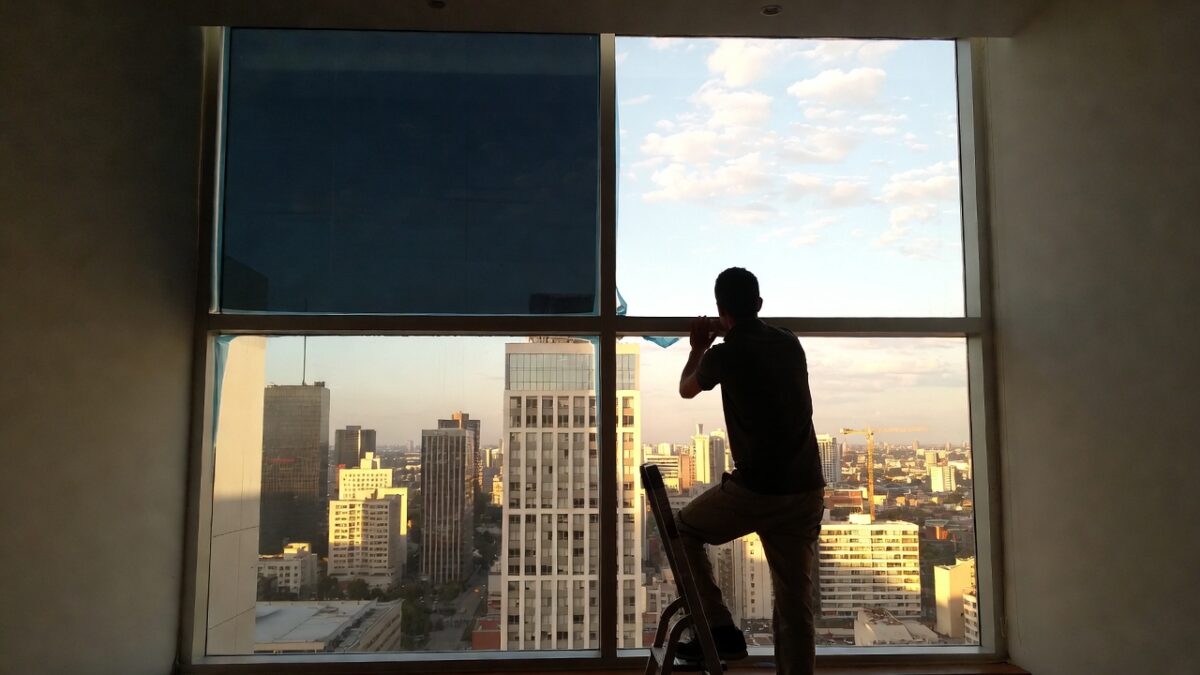
When considering window films for your home, longevity is often a key concern. Just how long can you expect these films to last, and what factors influence their lifespan? In this article, we’ll delve into the typical lifespan of window films, the benefits of these innovative products, and what you can do to maximize their durability.

Window films are a popular choice for homeowners looking to enhance their living spaces. But how long do they last? On average, window films have a lifespan of about 10 to 20 years. However, this can vary based on several factors.
Factors Affecting Window Film Lifespan
- Quality of the Film: High-quality window films are designed to last longer. Investing in a reputable brand can ensure that you get the most out of your window films.
- Installation Process: Proper installation is crucial. Films that are applied by professionals tend to last longer because they ensure a perfect fit and adhesion.
- Exposure to Sunlight: Constant exposure to direct sunlight can degrade window films over time. However, modern films are designed to withstand UV rays better than ever before.
- Maintenance and Care: Regular cleaning and care can extend the life of your window films. Avoid using harsh chemicals or abrasive materials that can scratch or damage the film.
- Type of Film: Different types of films have different lifespans. For instance, decorative films might not last as long as solar control films, which are specifically designed to handle sunlight.
Benefits of Window Films

Window films are more than just a decorative addition to your home. They offer several practical benefits:
Energy Efficiency
One of the most significant advantages of window films is their ability to improve energy efficiency. By blocking out a portion of the sun’s rays, window films can reduce heat gain during the summer months, helping to keep your home cooler and lowering your energy bills.
UV Protection
Window films also offer protection from harmful UV rays. This not only protects your skin but also prevents your furniture and flooring from fading, preserving the aesthetic appeal of your home.
Glare Reduction
If you’ve ever struggled with glare on your television or computer screen, window films can help. They reduce glare, making it easier to enjoy your electronic devices without straining your eyes.
Enhanced Privacy and Security
Tinted window films provide an extra layer of privacy without blocking out natural light. Additionally, some films are designed to hold glass together in the event of an impact, offering added security.
Choosing the Right Window Film
When selecting window films, consider your specific needs and preferences. Here are some types of films you might consider:
Solar Control Films
These are perfect for those looking to improve energy efficiency and reduce glare. Solar control films are designed to block out significant amounts of UV rays and heat.
Decorative Films
If aesthetics are your primary concern, decorative films offer a stylish solution. They come in various patterns and colors, allowing you to customize the look of your windows.
Safety and Security Films
For added protection, safety and security films are thicker and designed to hold glass together during impacts, making them ideal for homes in storm-prone areas or for those who prioritize security.
Tips for Maintaining Your Window Films

by Tushar Mahajan (https://unsplash.com/@route2tushar)
To ensure your window films last as long as possible, follow these maintenance tips:
- Gentle Cleaning: Use a soft cloth or sponge with mild soapy water to clean your window films. Avoid abrasive materials that can scratch the surface.
- Avoid Harsh Chemicals: Steer clear of ammonia-based cleaners, as they can degrade the film over time.
- Regular Inspections: Periodically check your window films for signs of wear or damage. Early detection can prevent further deterioration.
- Professional Inspection: Consider having a professional inspect your window films every few years to ensure they remain in optimal condition.
When to Consider Window Film Replacement
Even with the best care, window films will eventually need replacement. Here are some signs that it might be time to replace your films:
- Peeling or Bubbling: These are clear indicators that the adhesive has failed and the film is no longer properly attached.
- Discoloration: Over time, some films may fade or change color, affecting their appearance and performance.
- Loss of Adhesion: If the film starts to detach from the glass, it won’t provide the intended benefits effectively.
- Visible Scratches or Damage: Physical damage to the film can compromise its effectiveness and appearance.
Conclusion
Window films are a versatile and beneficial addition to any home, offering everything from energy efficiency to enhanced privacy. By understanding the factors that affect their lifespan and how to maintain them, you can ensure that your investment lasts for many years. Whether you’re an interior designer looking to provide clients with stylish, eco-friendly solutions or a homeowner seeking to enhance your living space, window films are an excellent choice. With proper care and attention, they’ll continue to serve you well, enhancing both the functionality and aesthetics of your home.